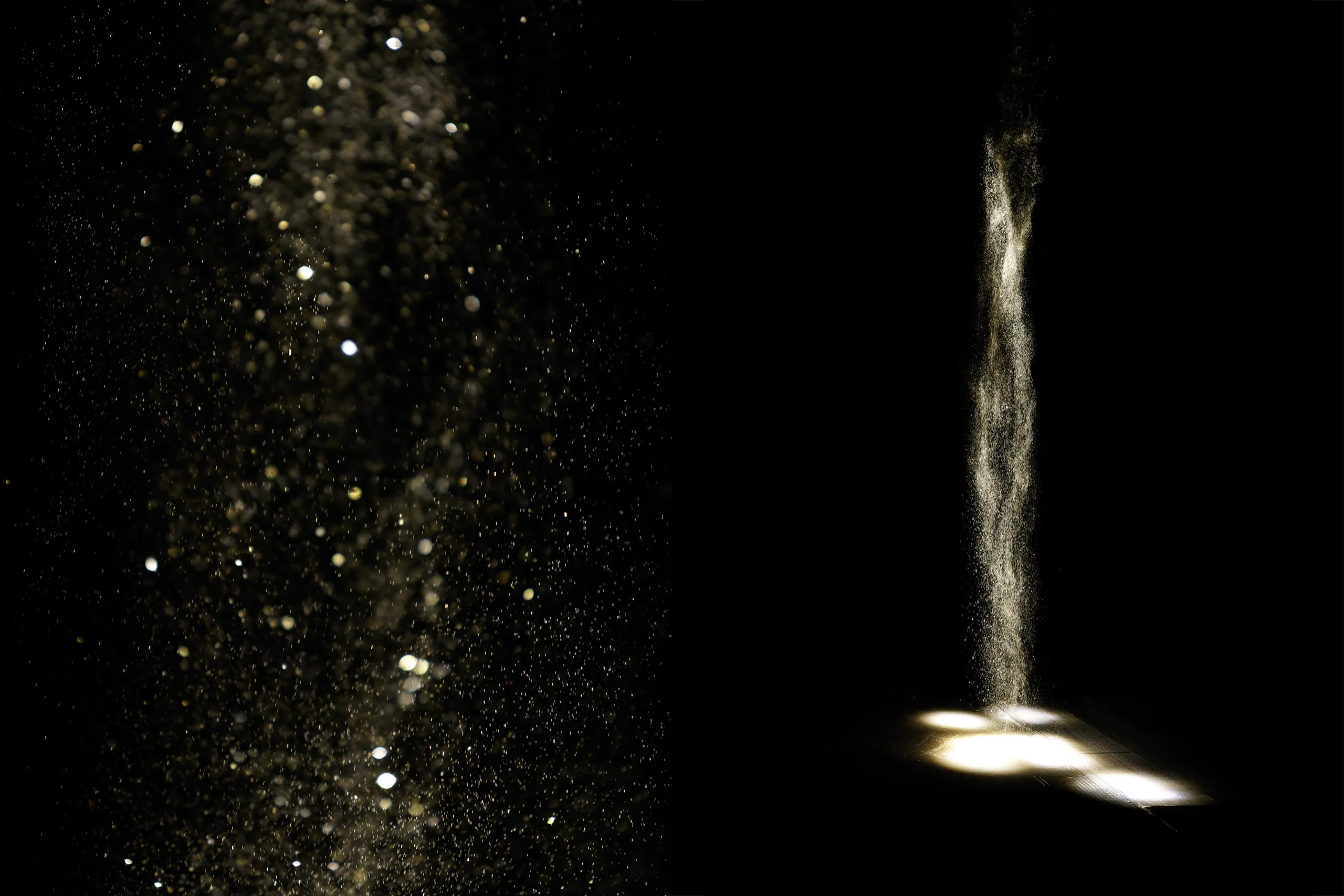
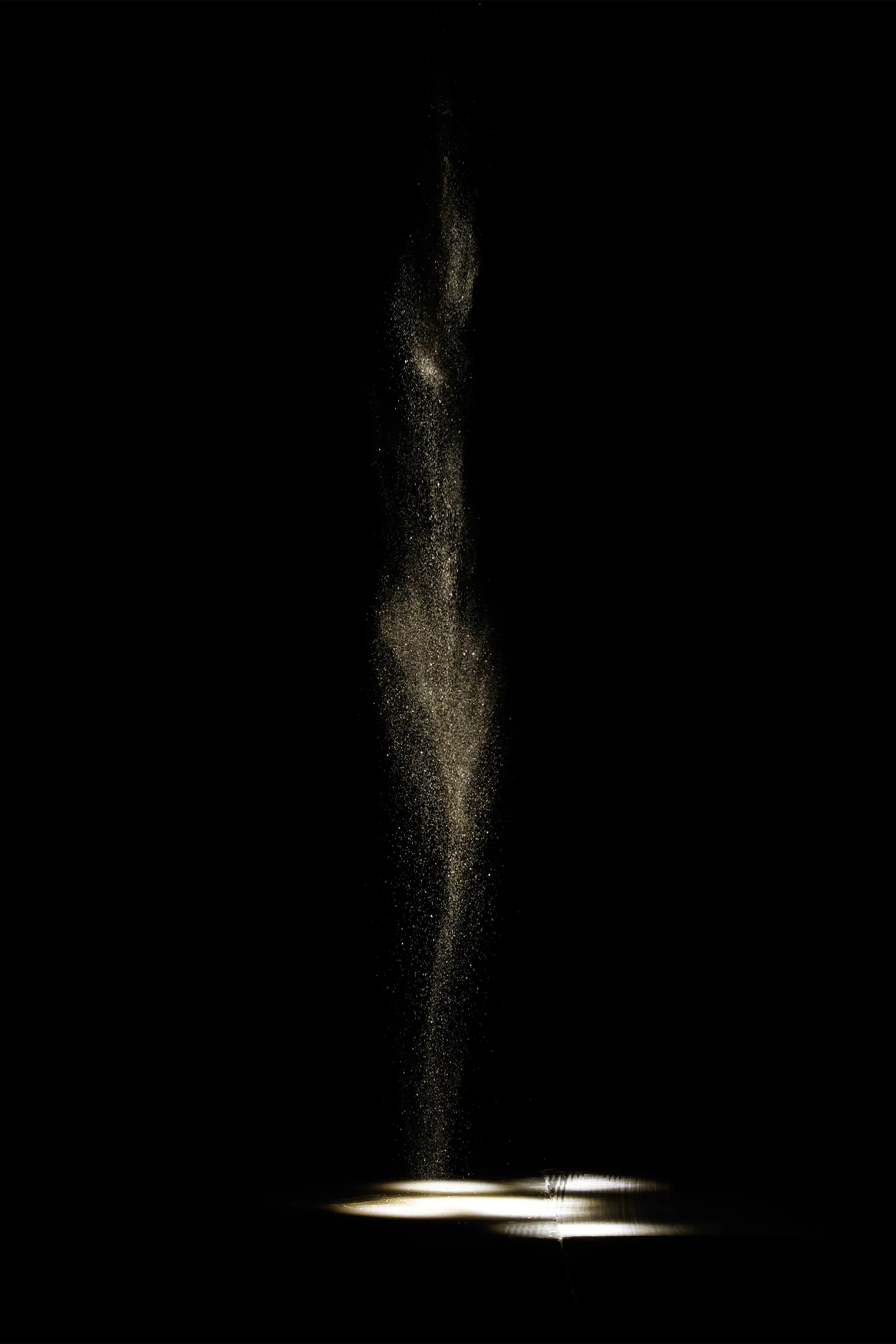
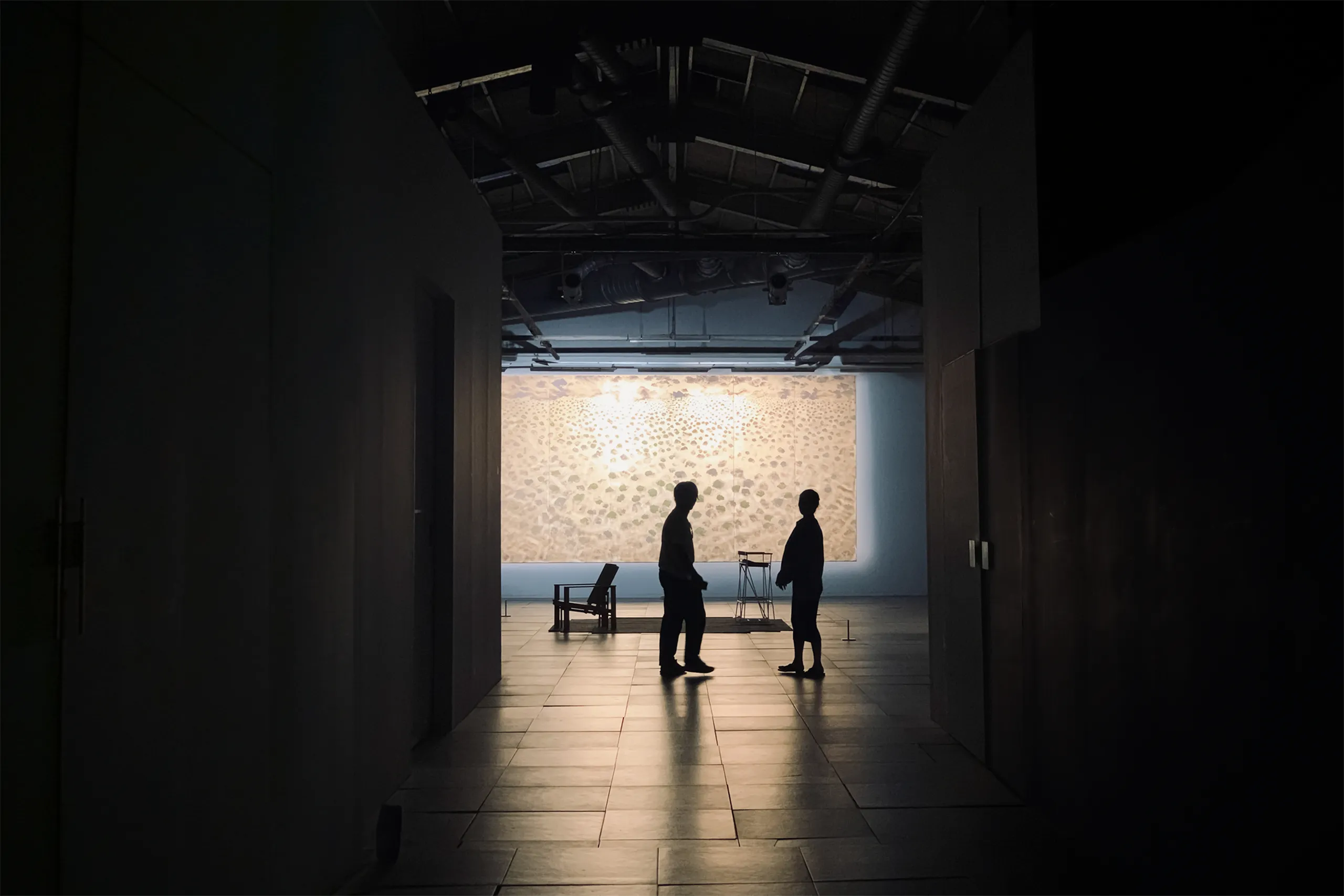
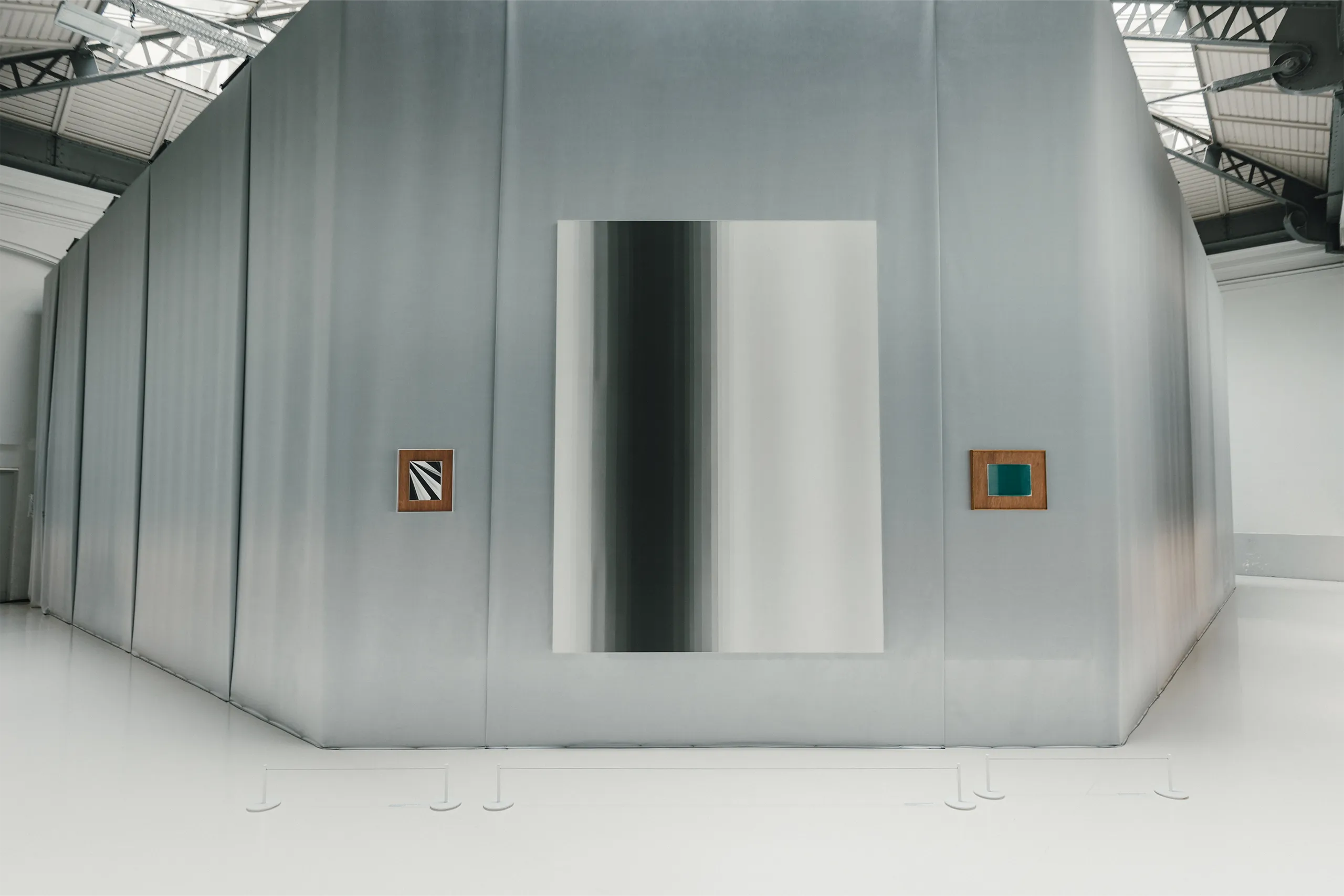
The New York Times International Weekly Edition (print) / The Japan Times weekly edition (print), 2025
“… Kangawa’s art and its spaces ask us to pause, consider the passage of time and the weight of our presence in it.”
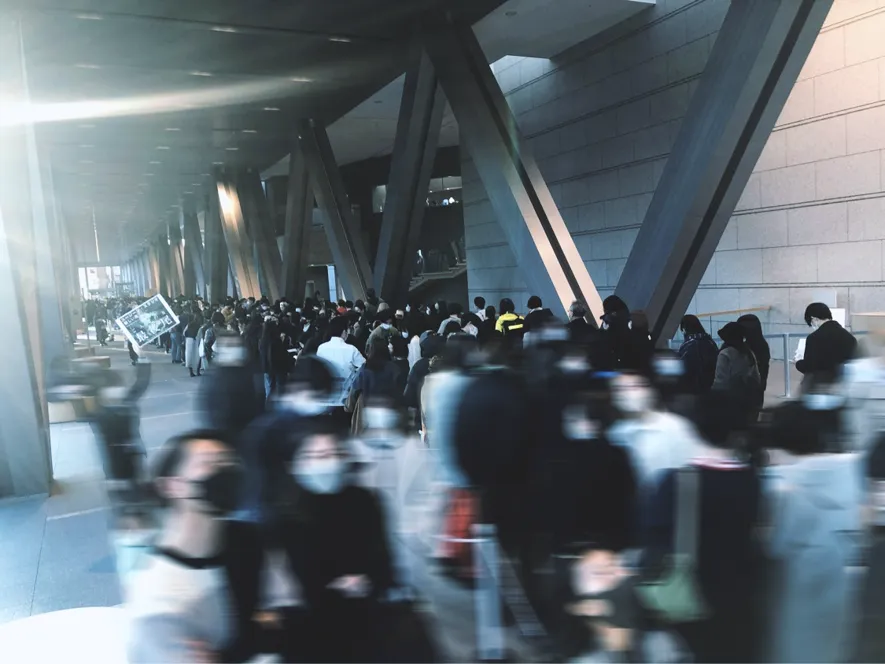
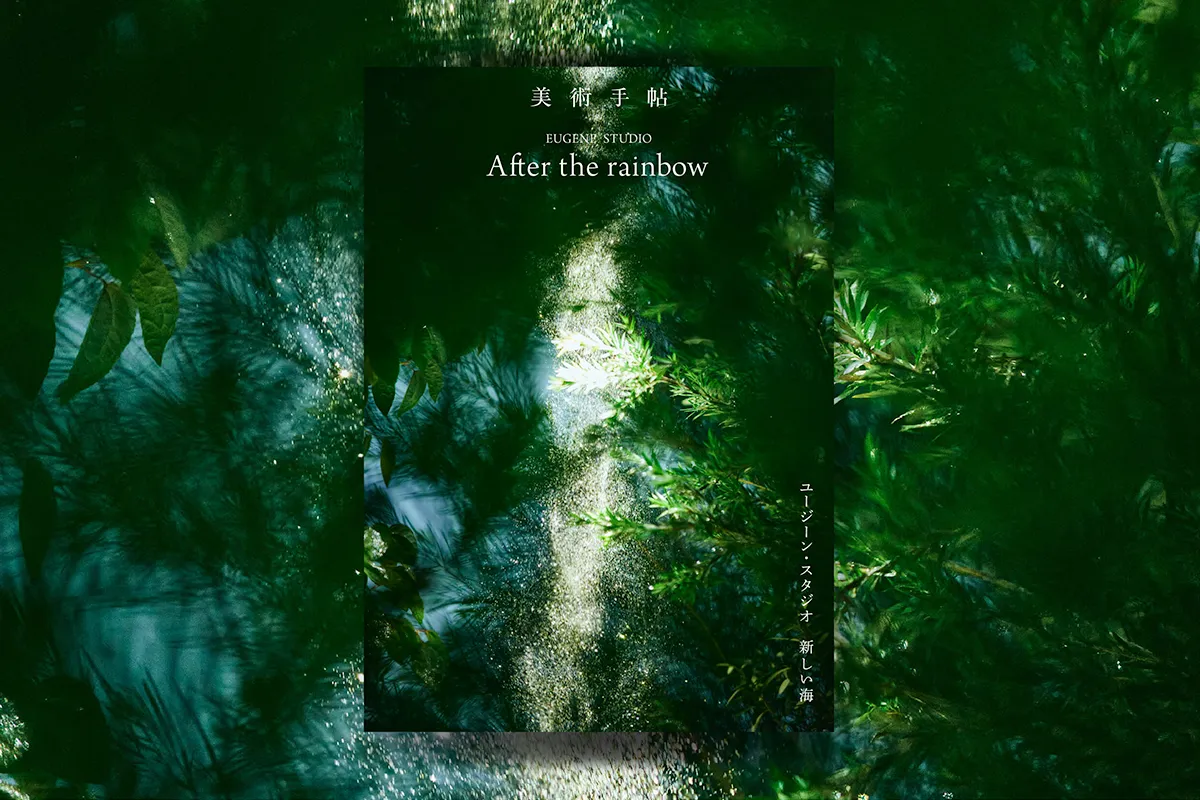
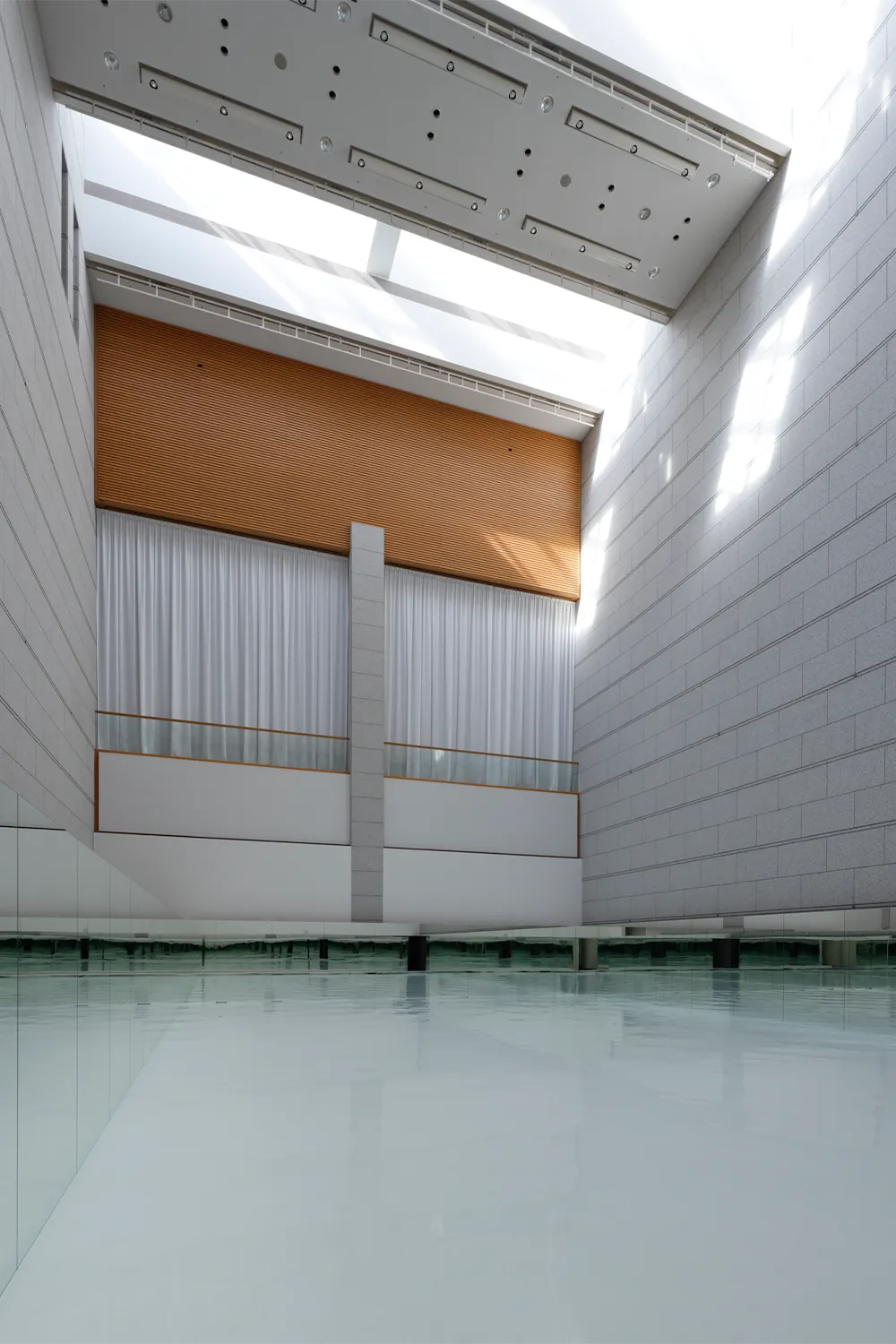
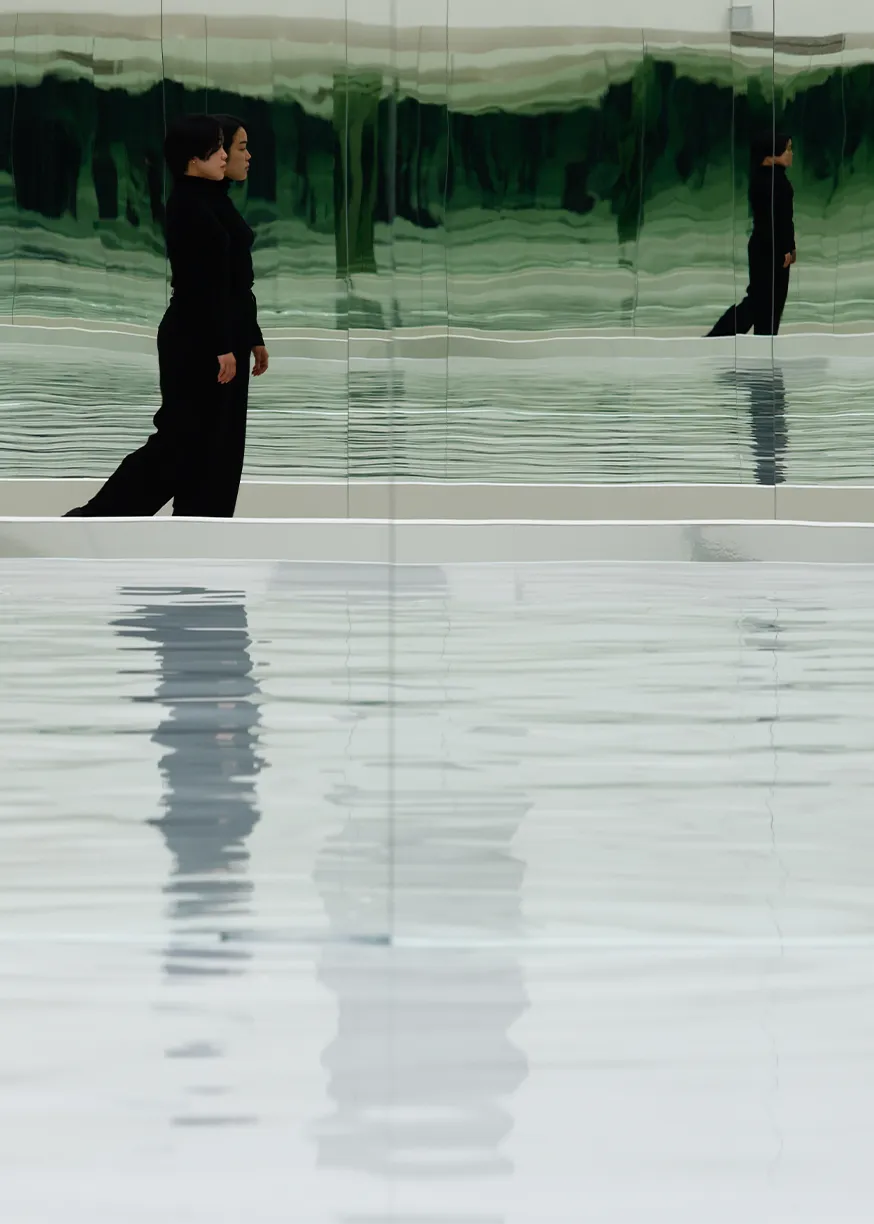
“… With ‘After the Rainbow,’ his 2021 solo exhibition at the Museum of Contemporary Art Tokyo, Kangawa reached a new milestone. At 32, he was the youngest artist ever to hold a solo exhibition at the museum. Exploring the possibilities of coexistence—between humanity and nature, the tangible and the imagined—the exhibition established Kangawa as a voice of piercing lucidity in a fragmented era.”
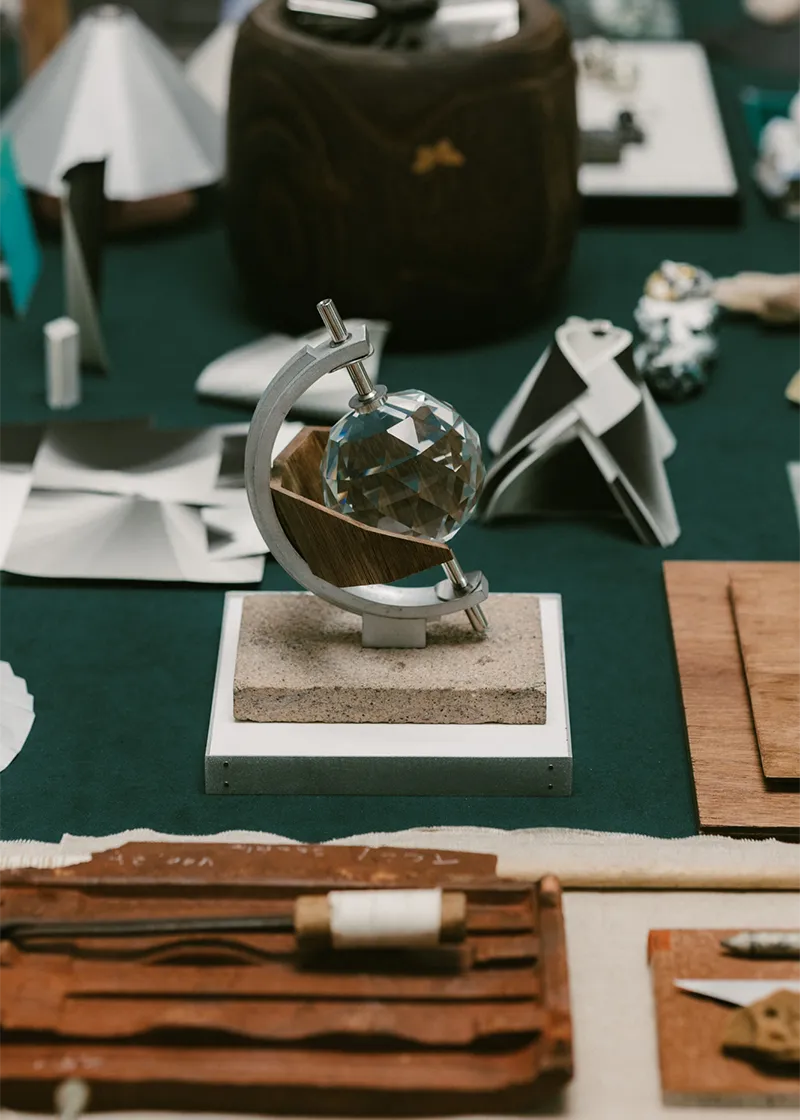
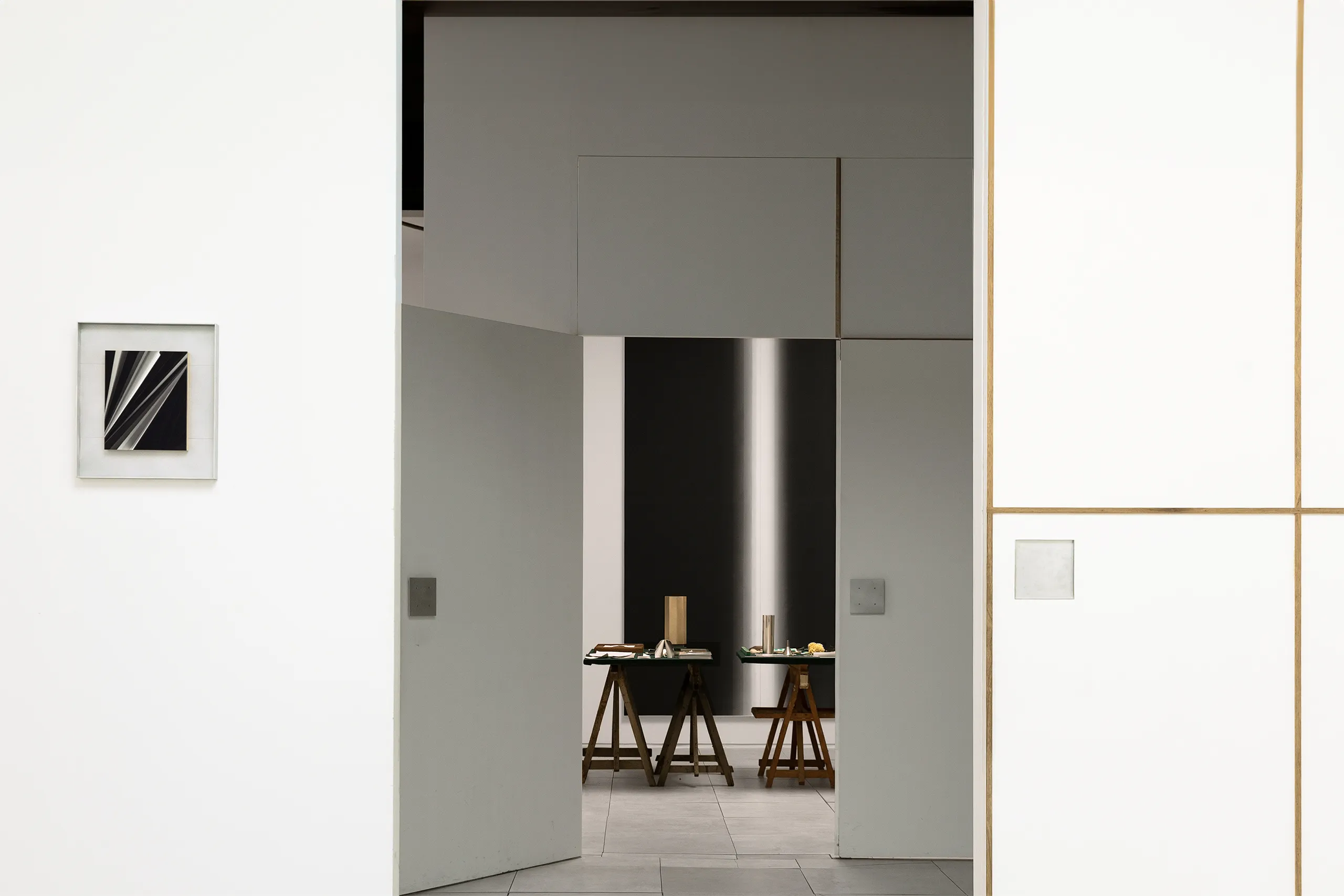
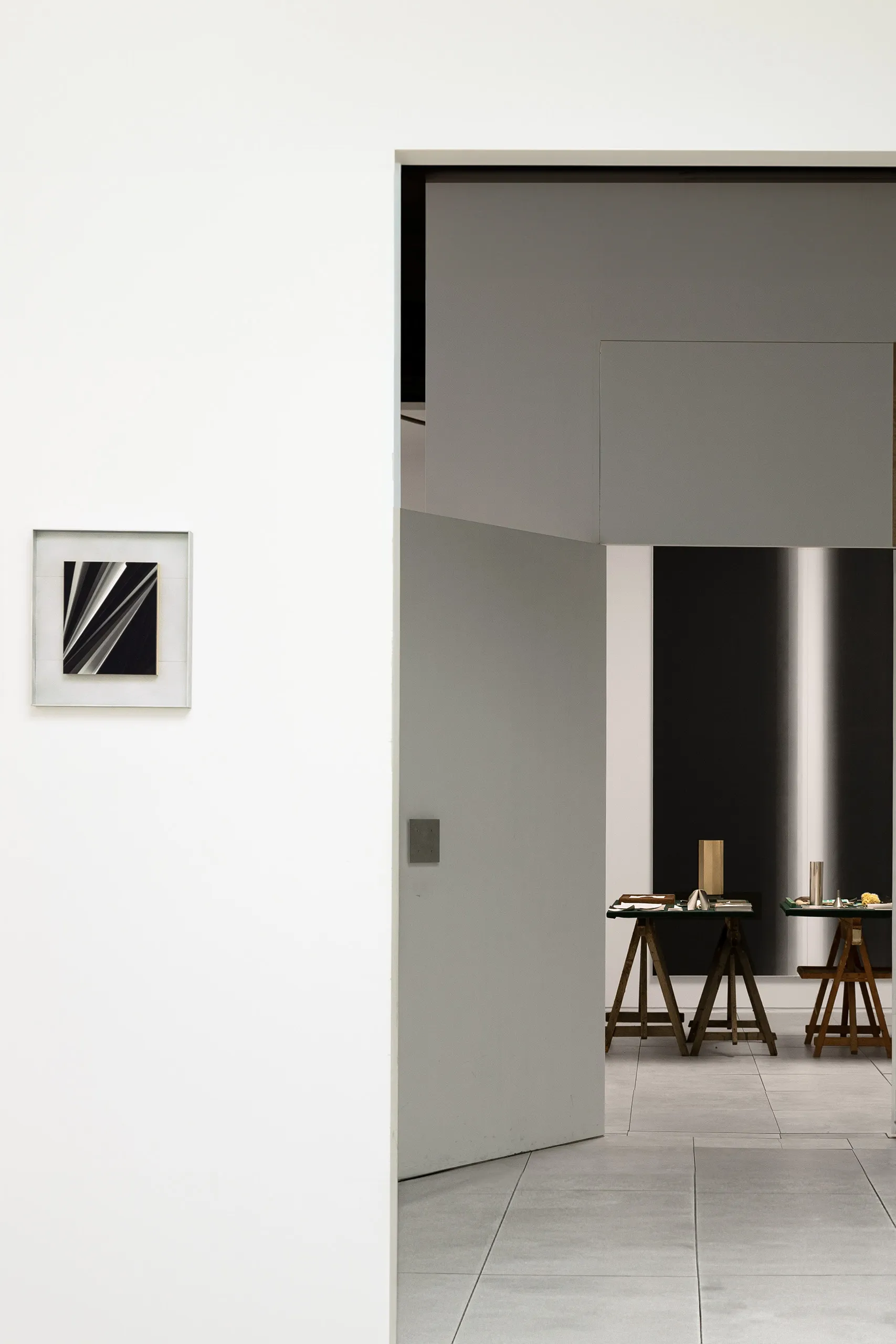
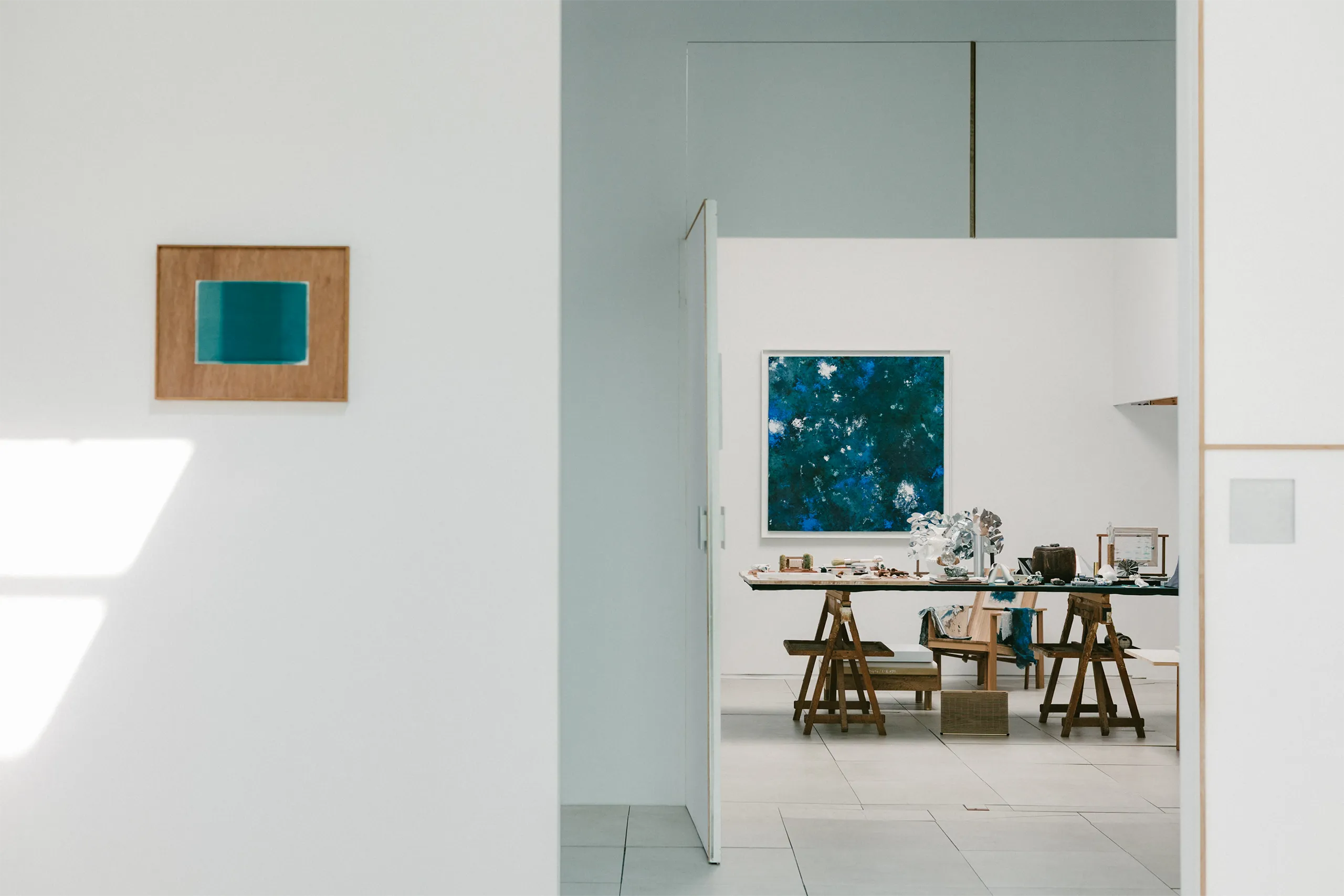
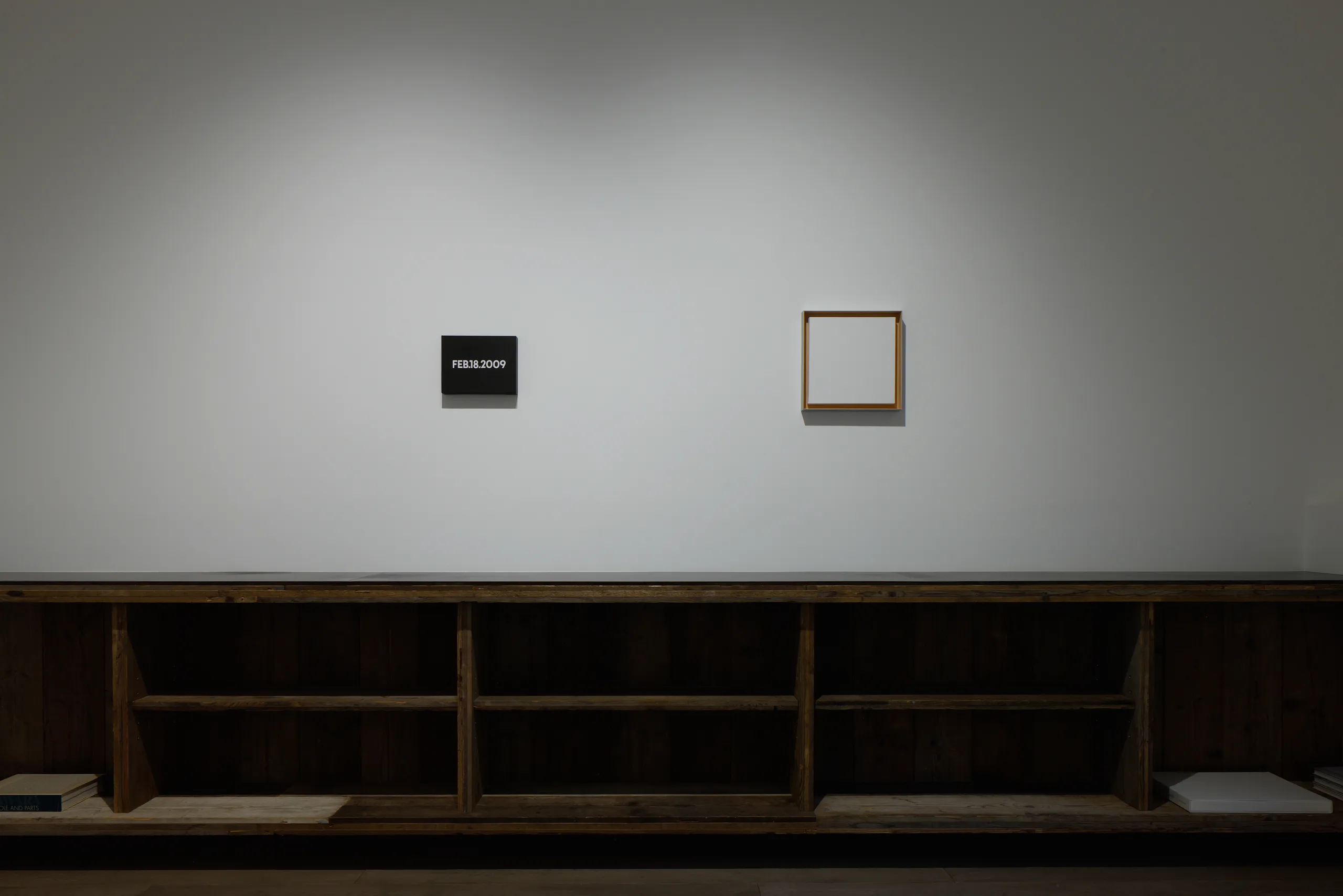
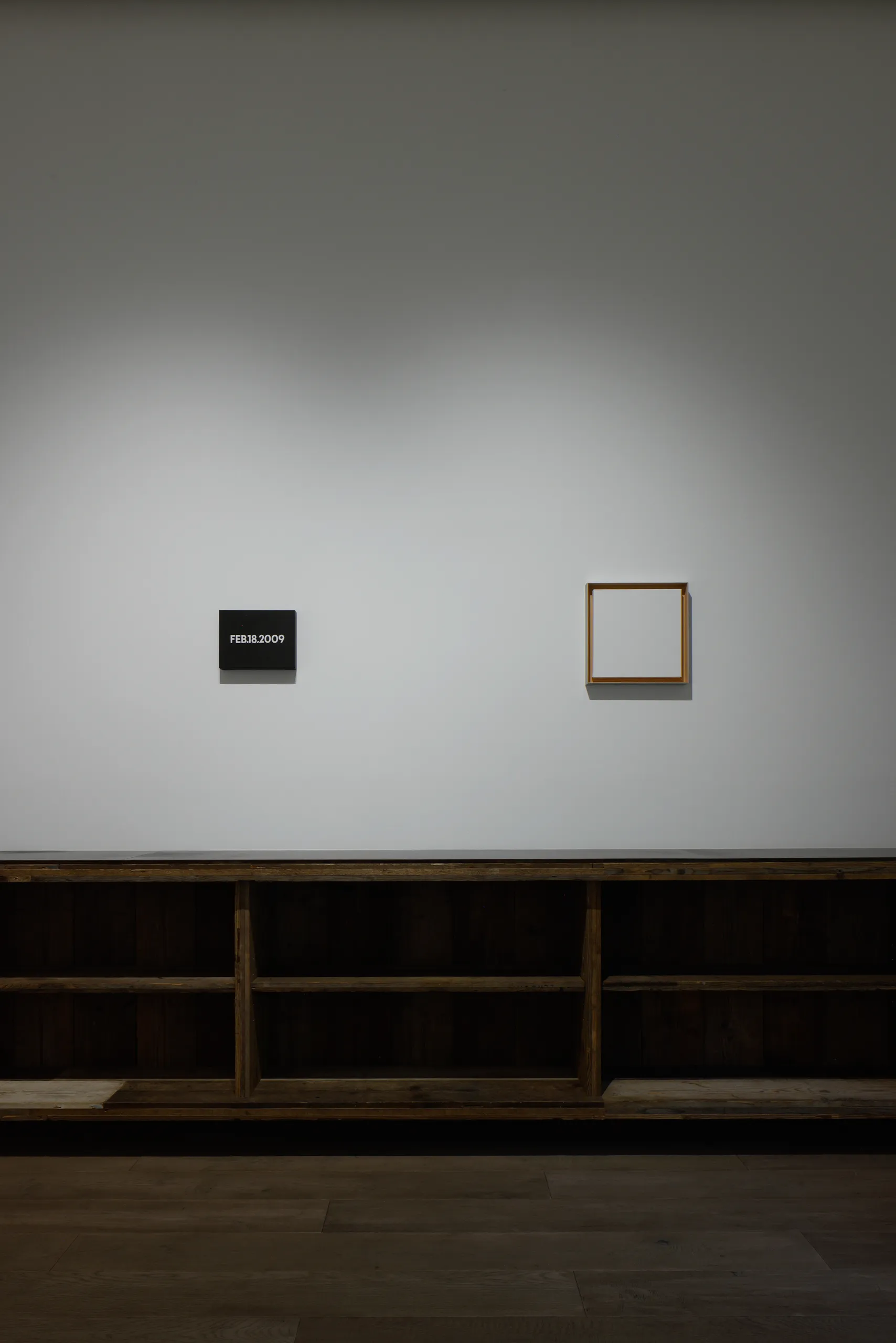
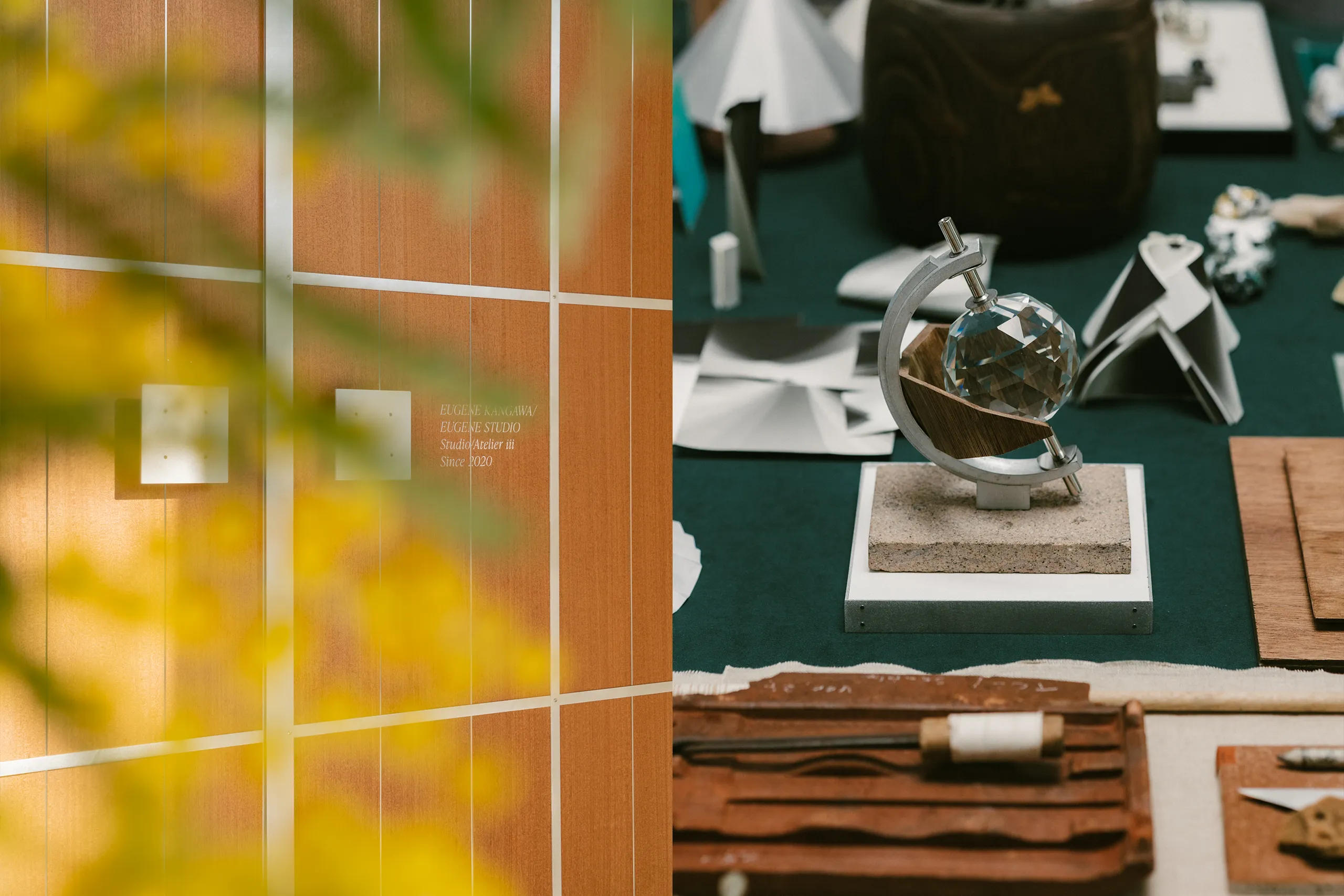
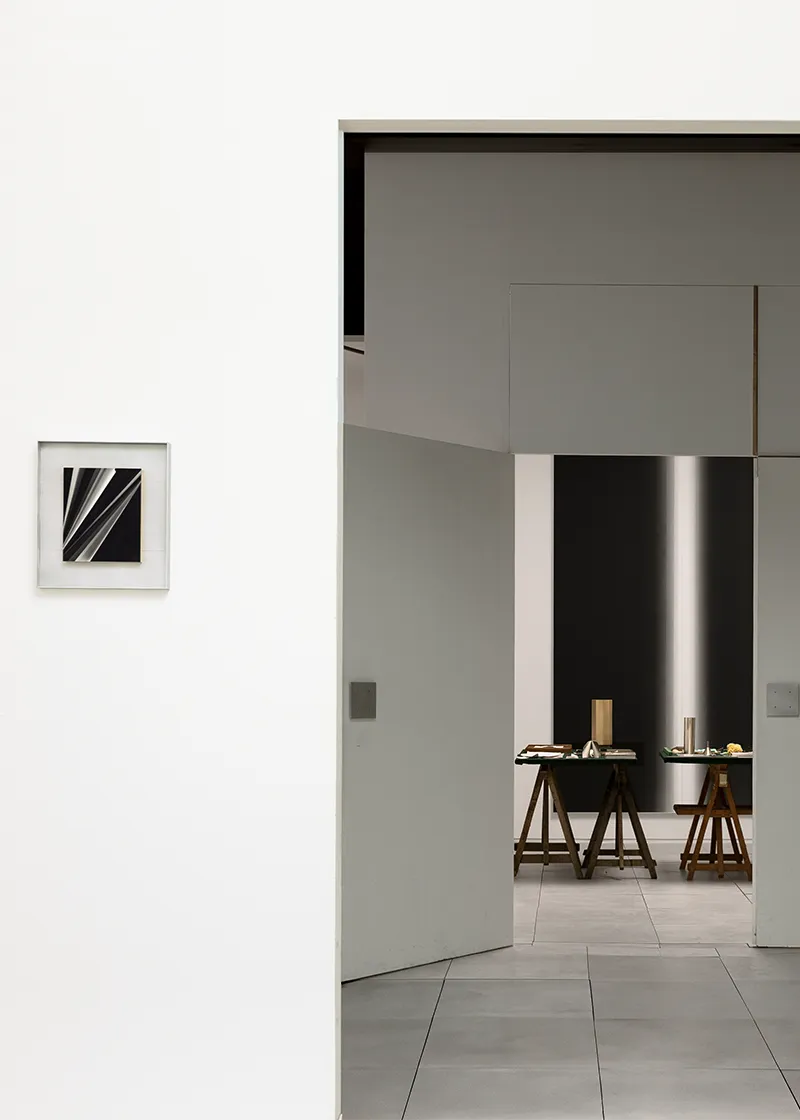
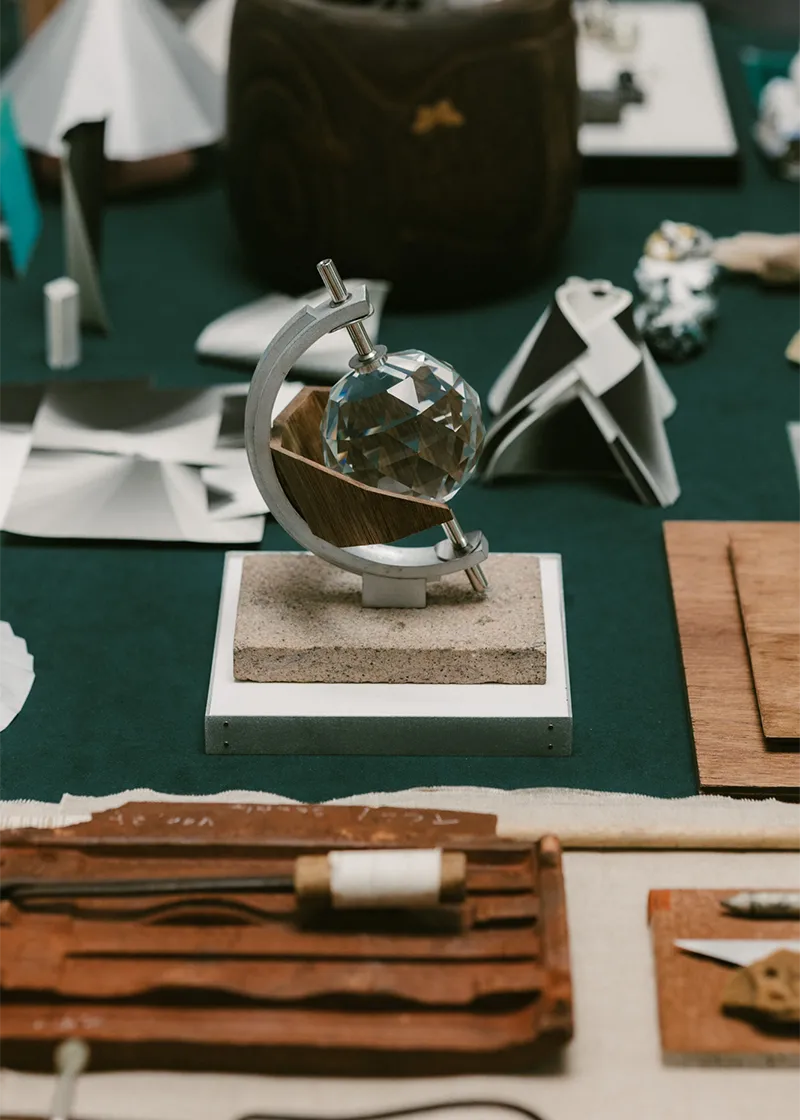
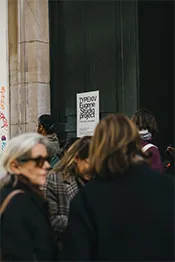
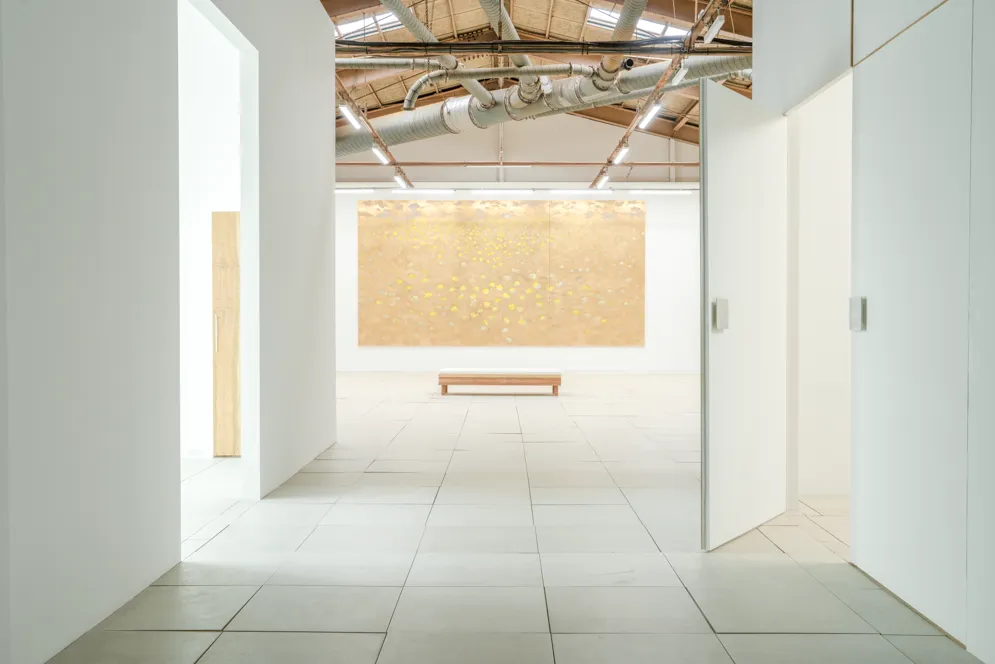
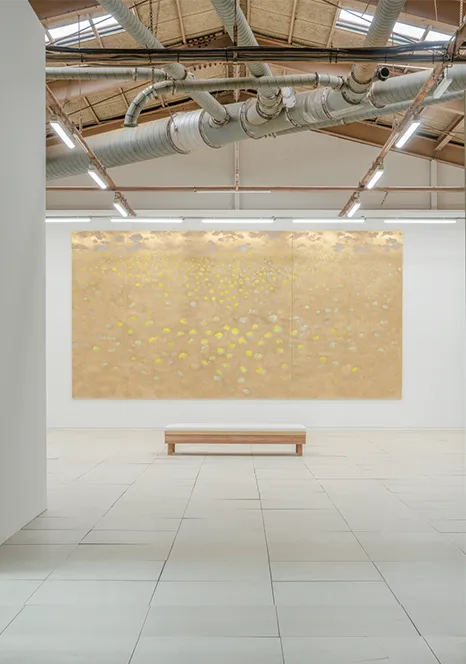
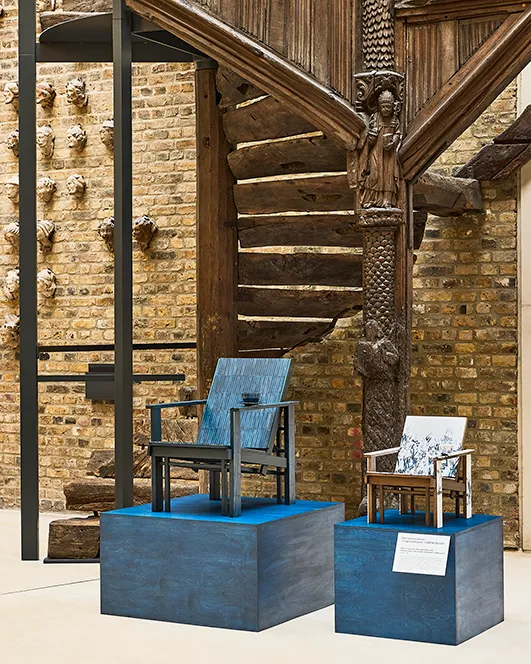
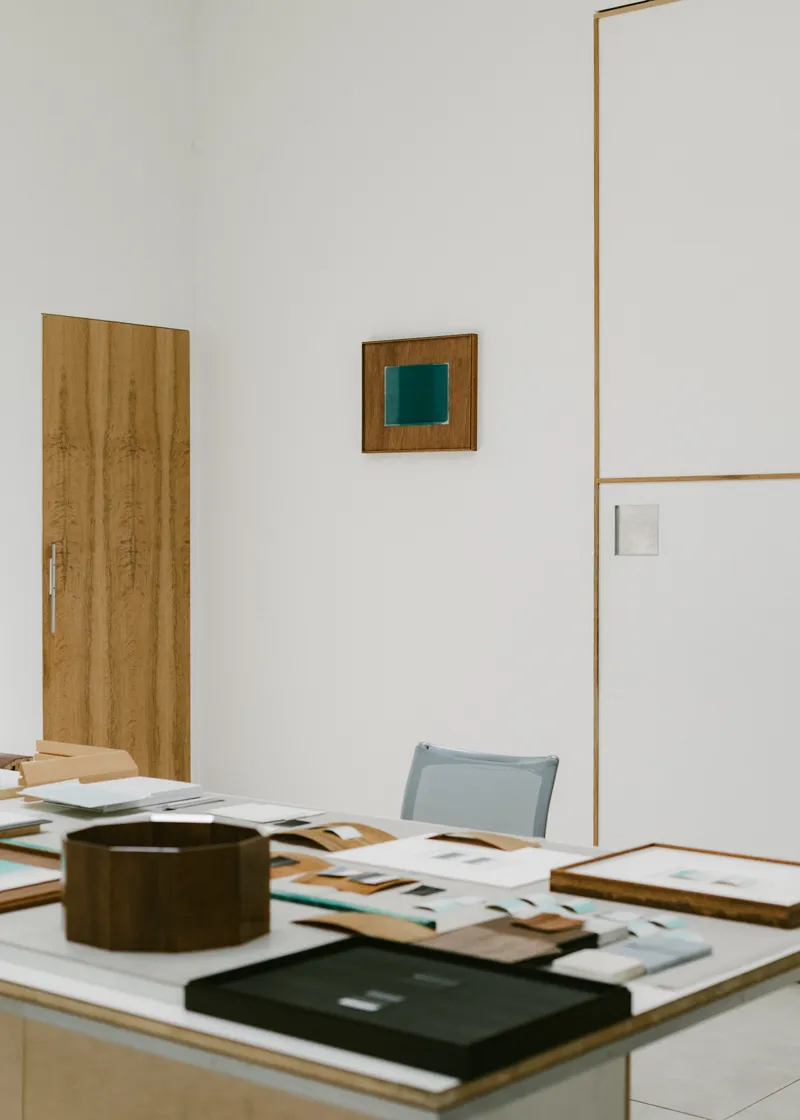
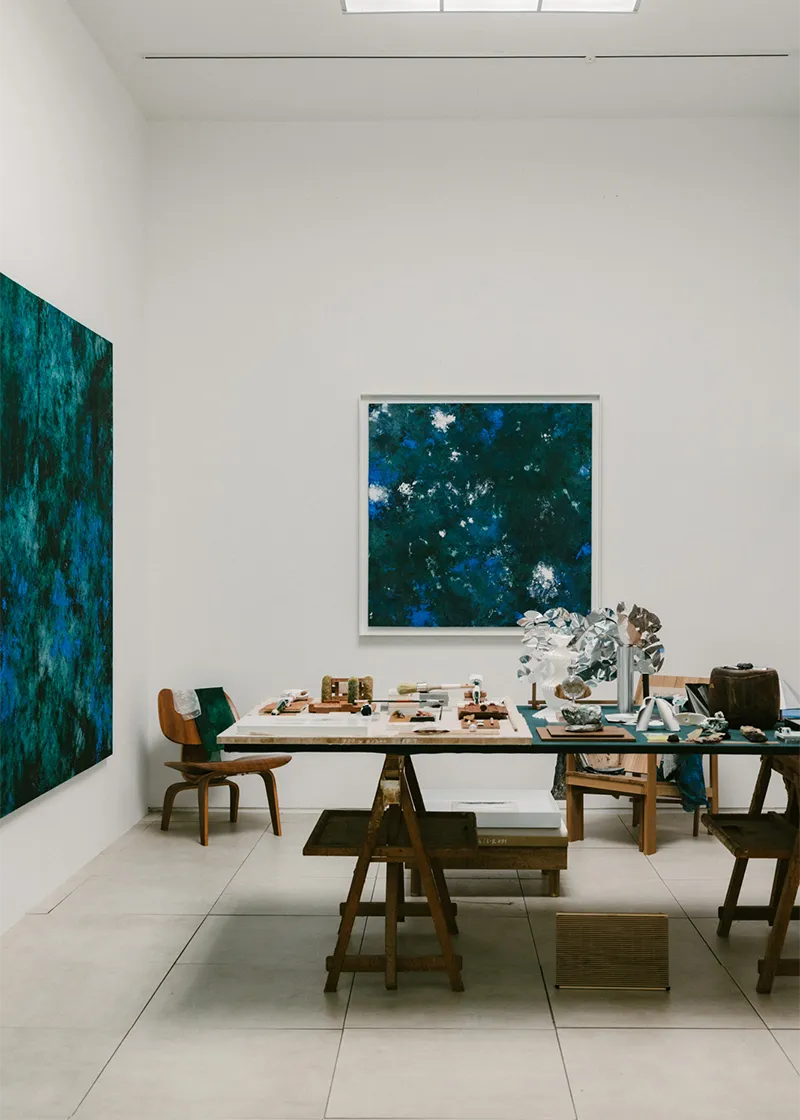
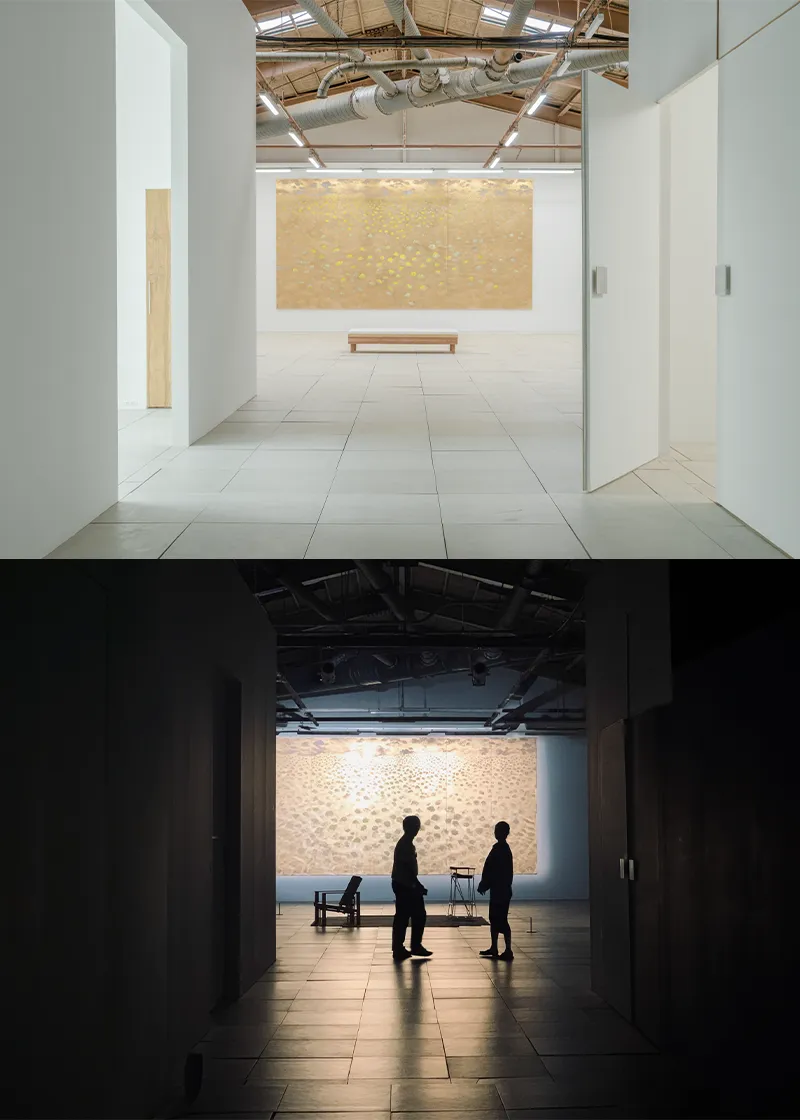
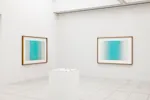
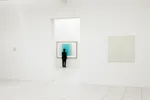
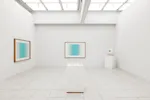
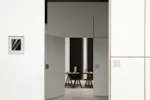
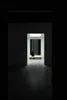
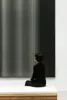
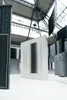
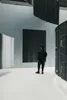
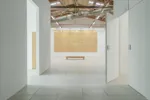
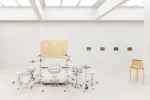
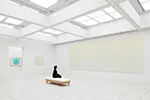
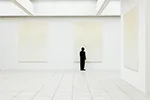
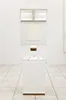
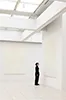
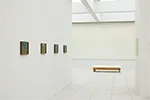
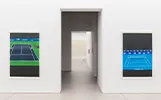
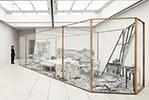
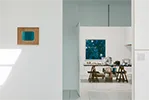
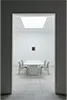
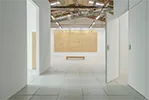
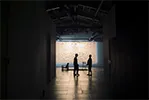
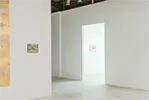
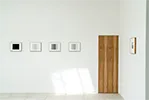
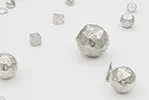
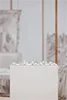
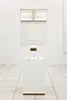
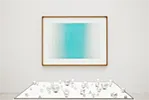
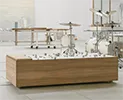
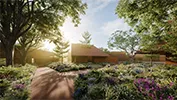
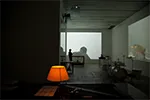
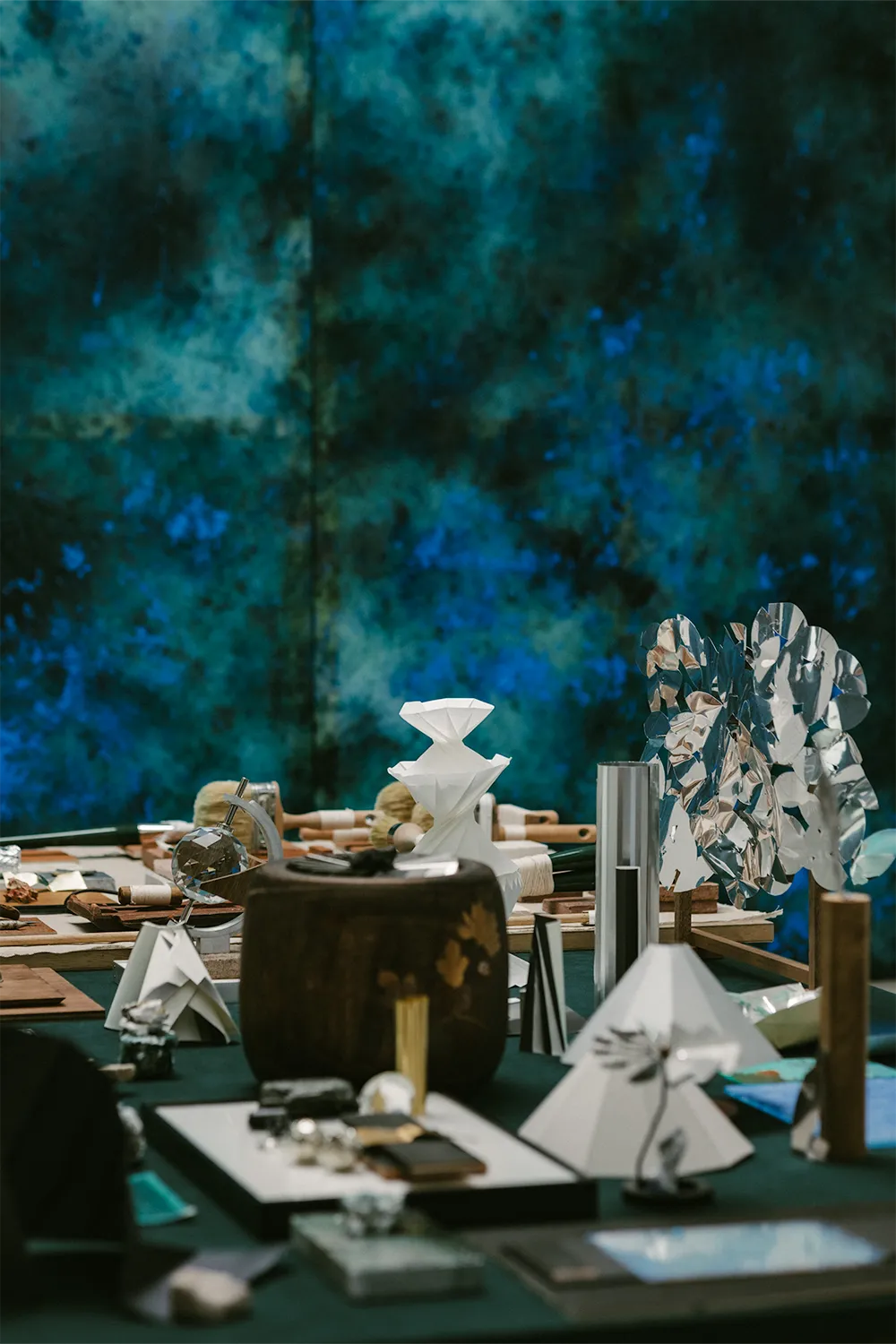
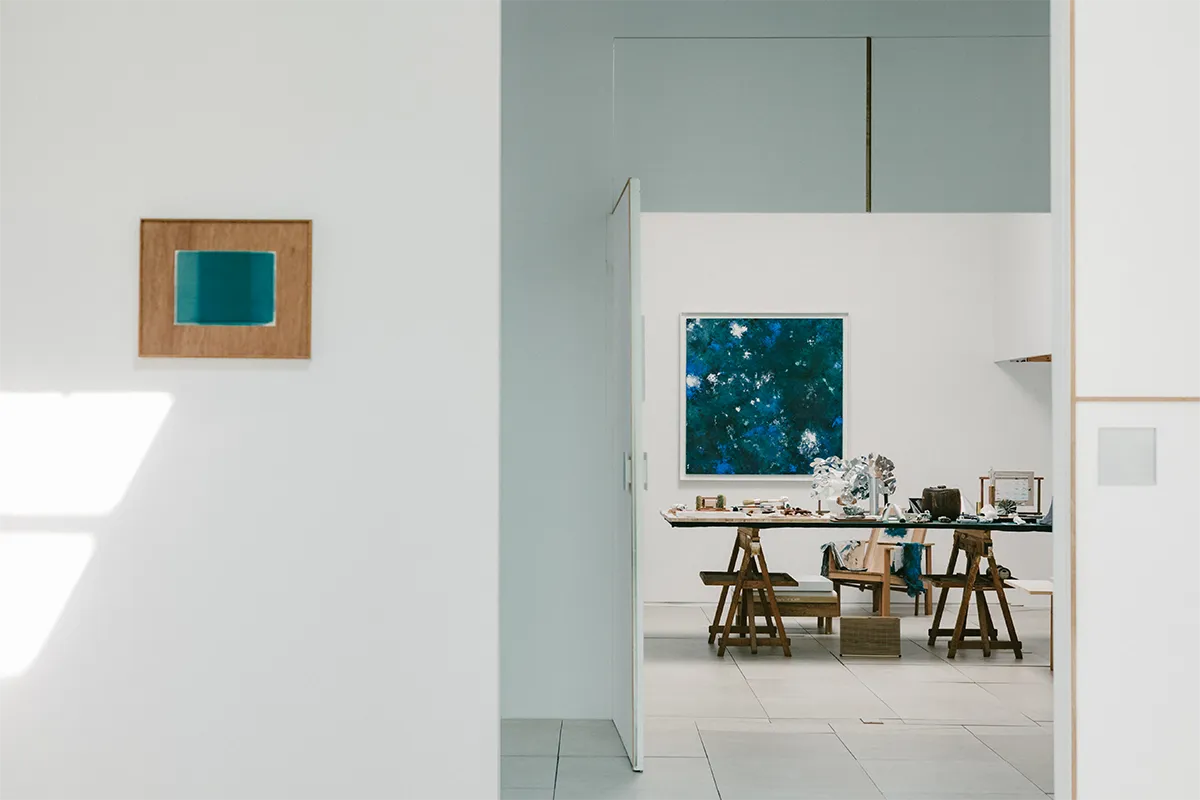
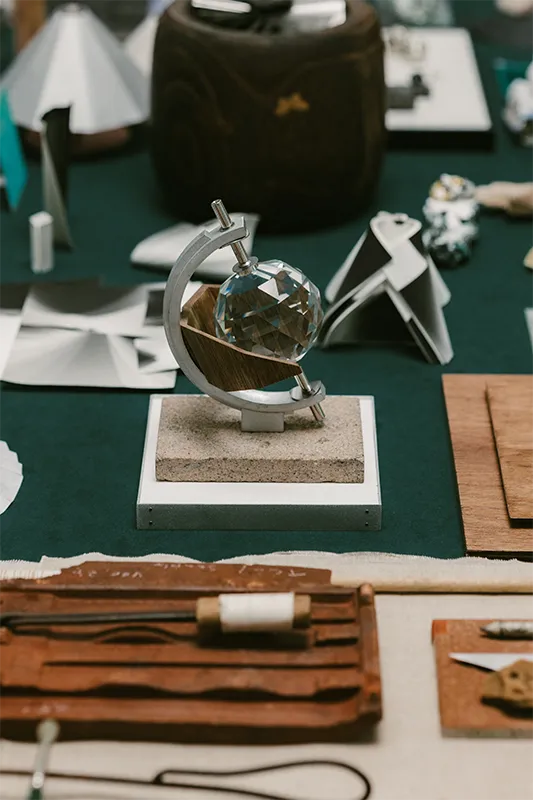
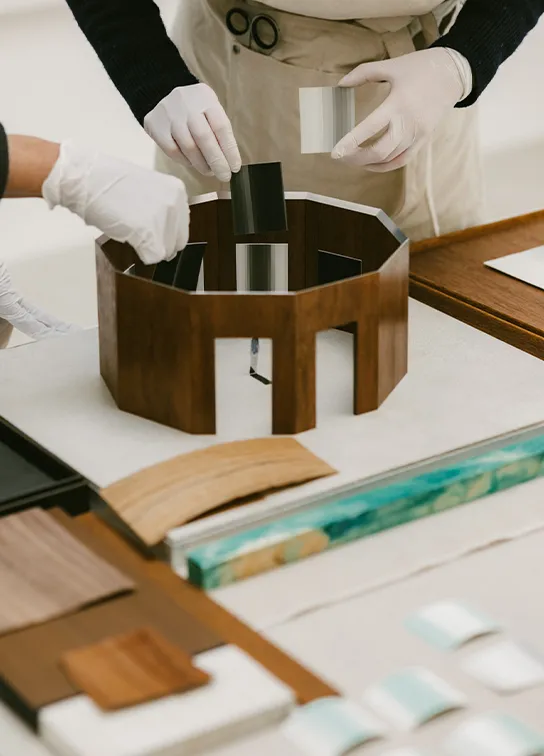
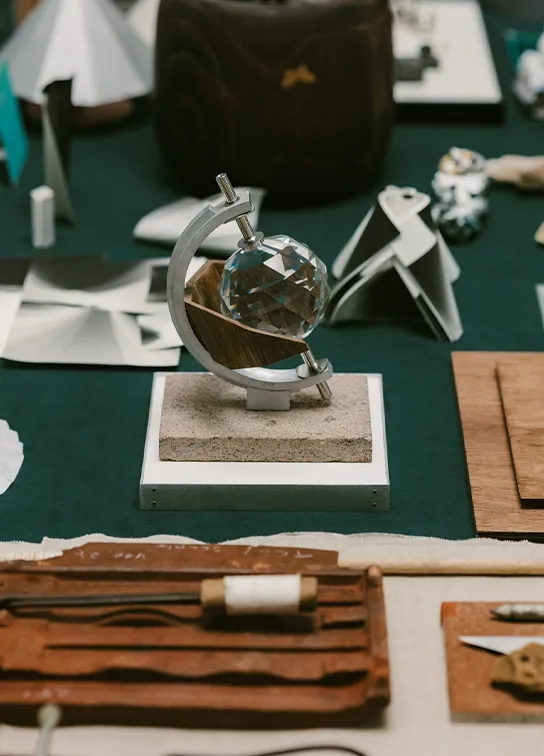
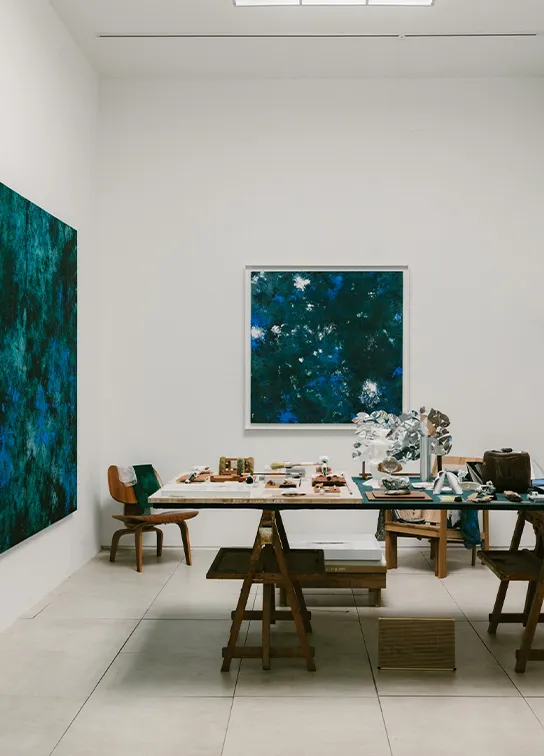
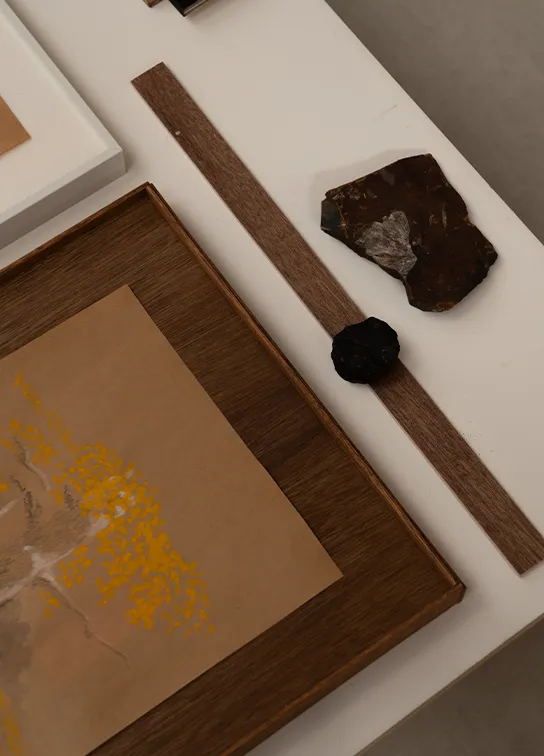
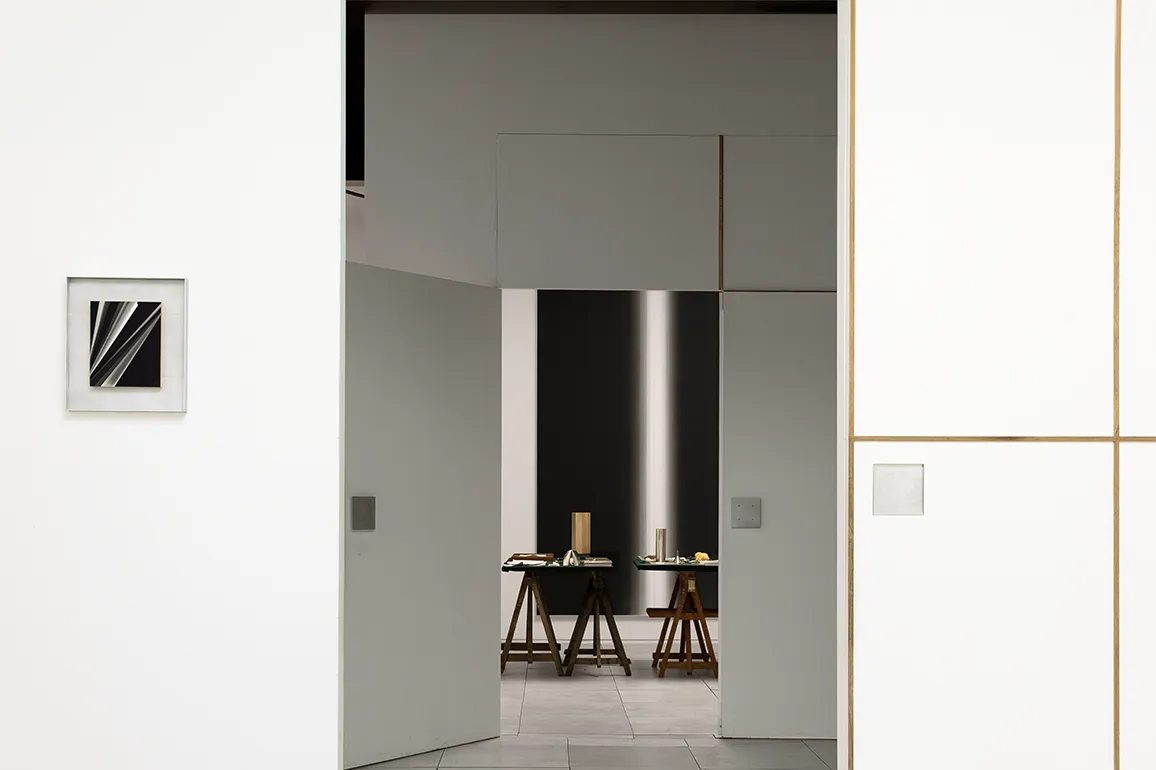
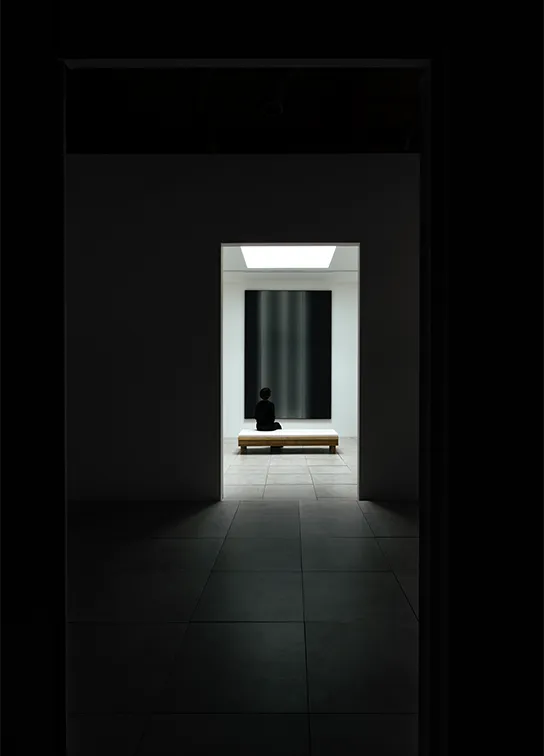
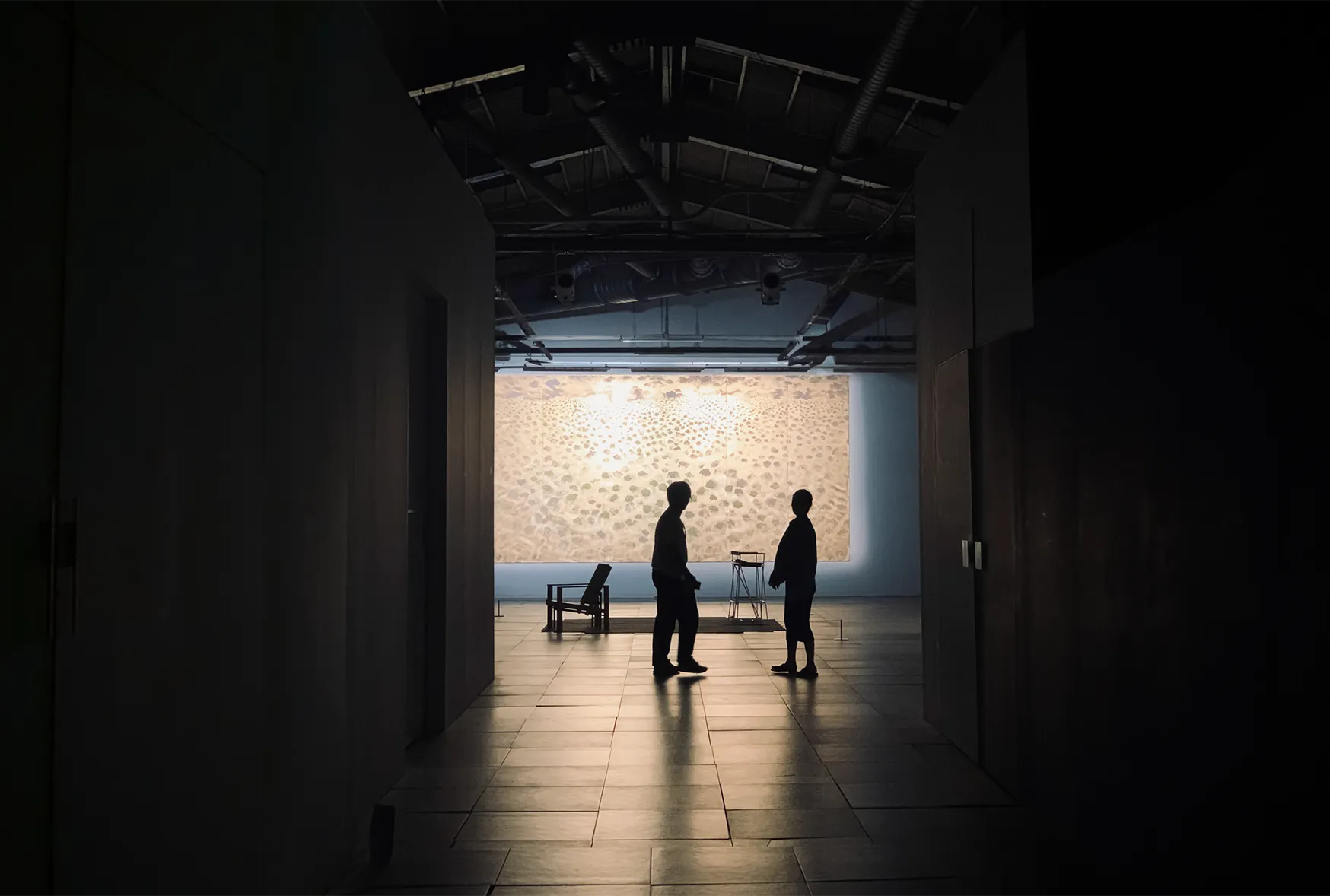
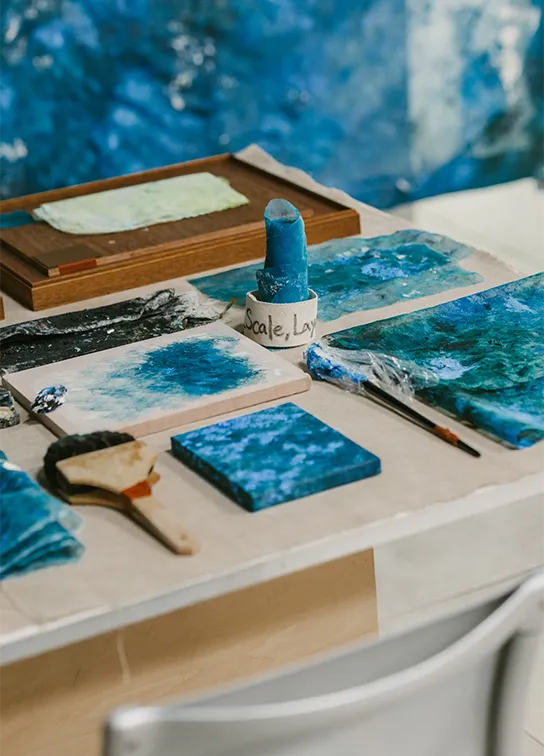
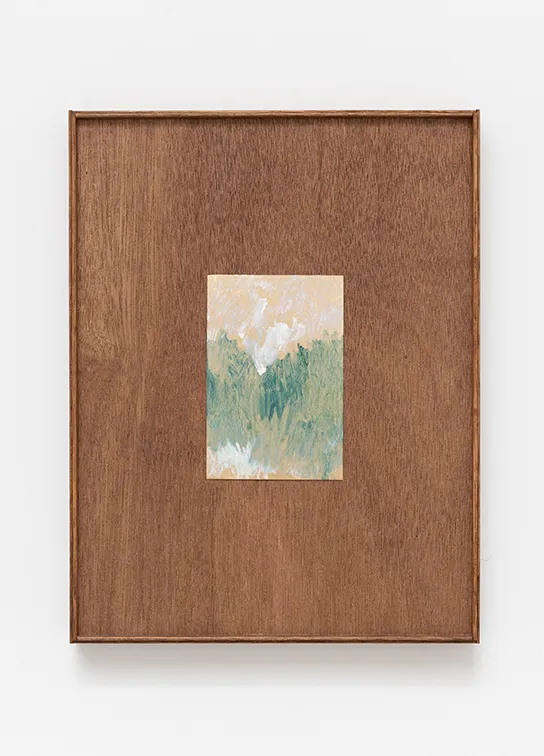
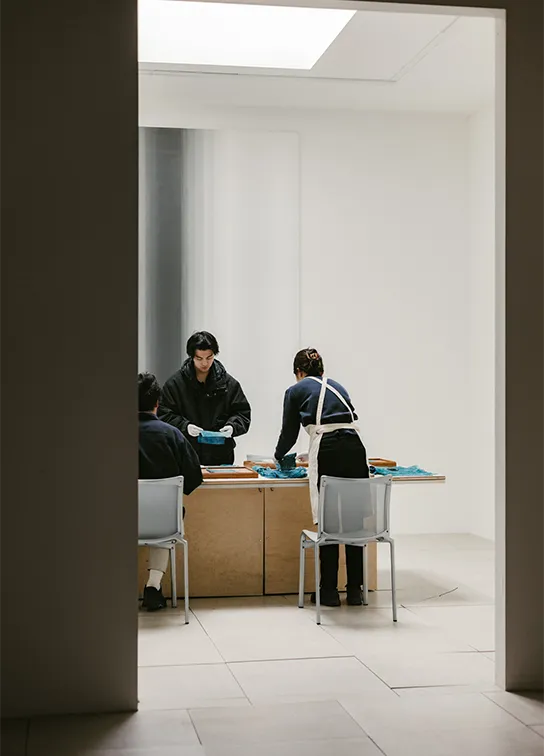
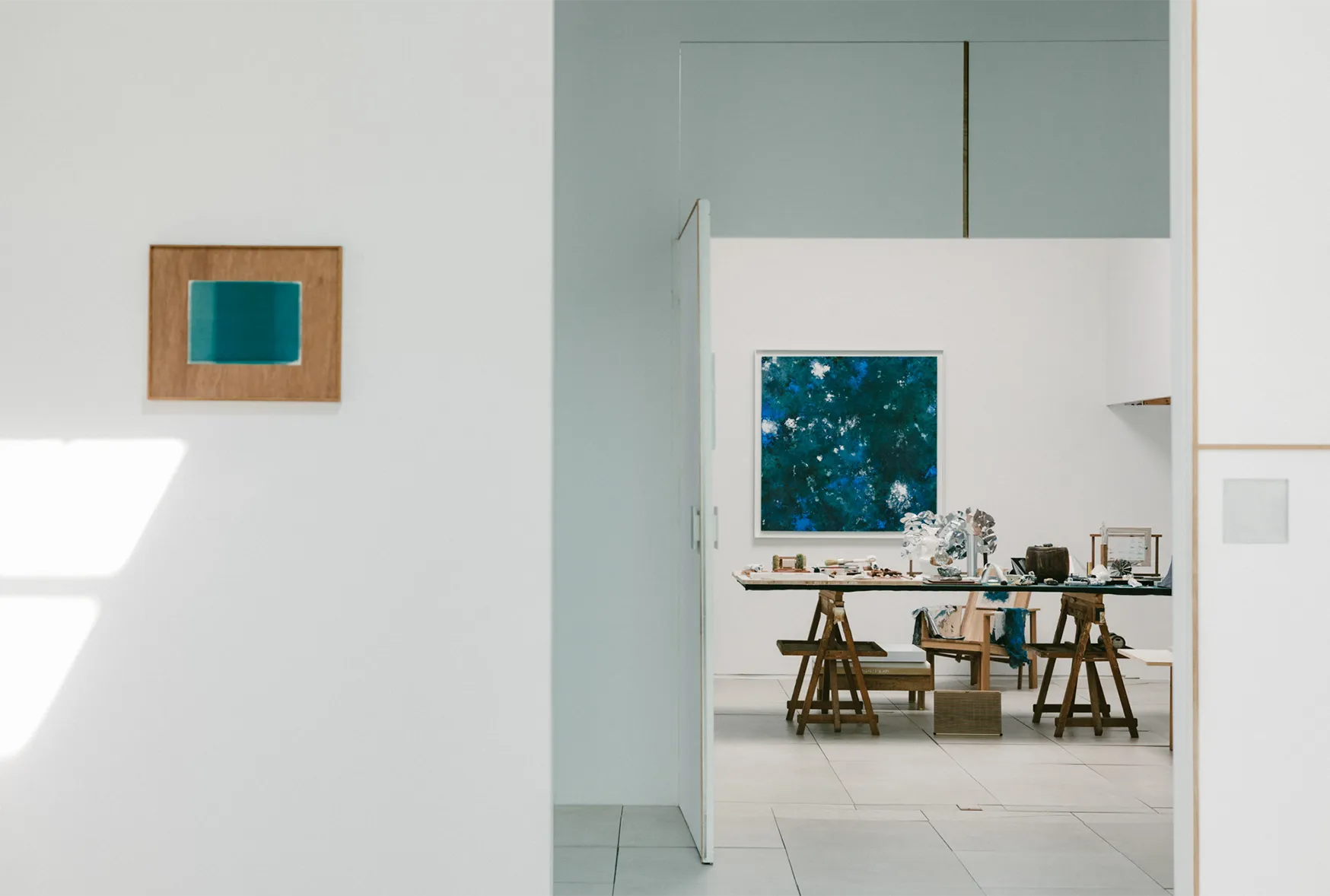
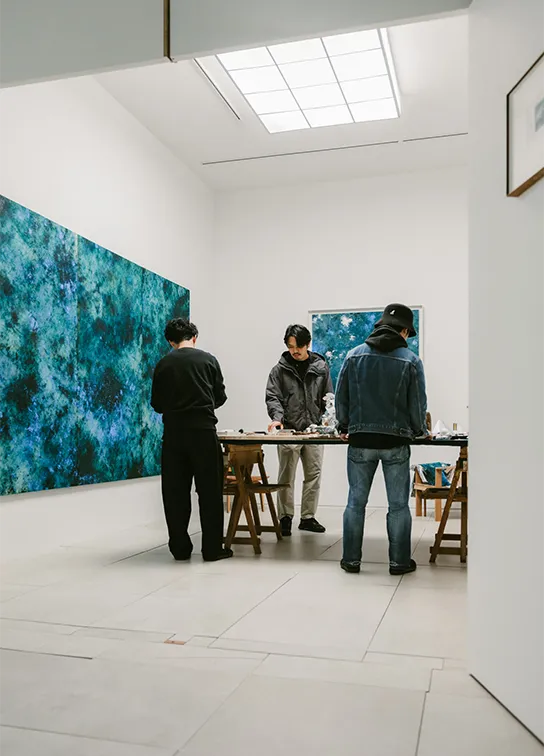
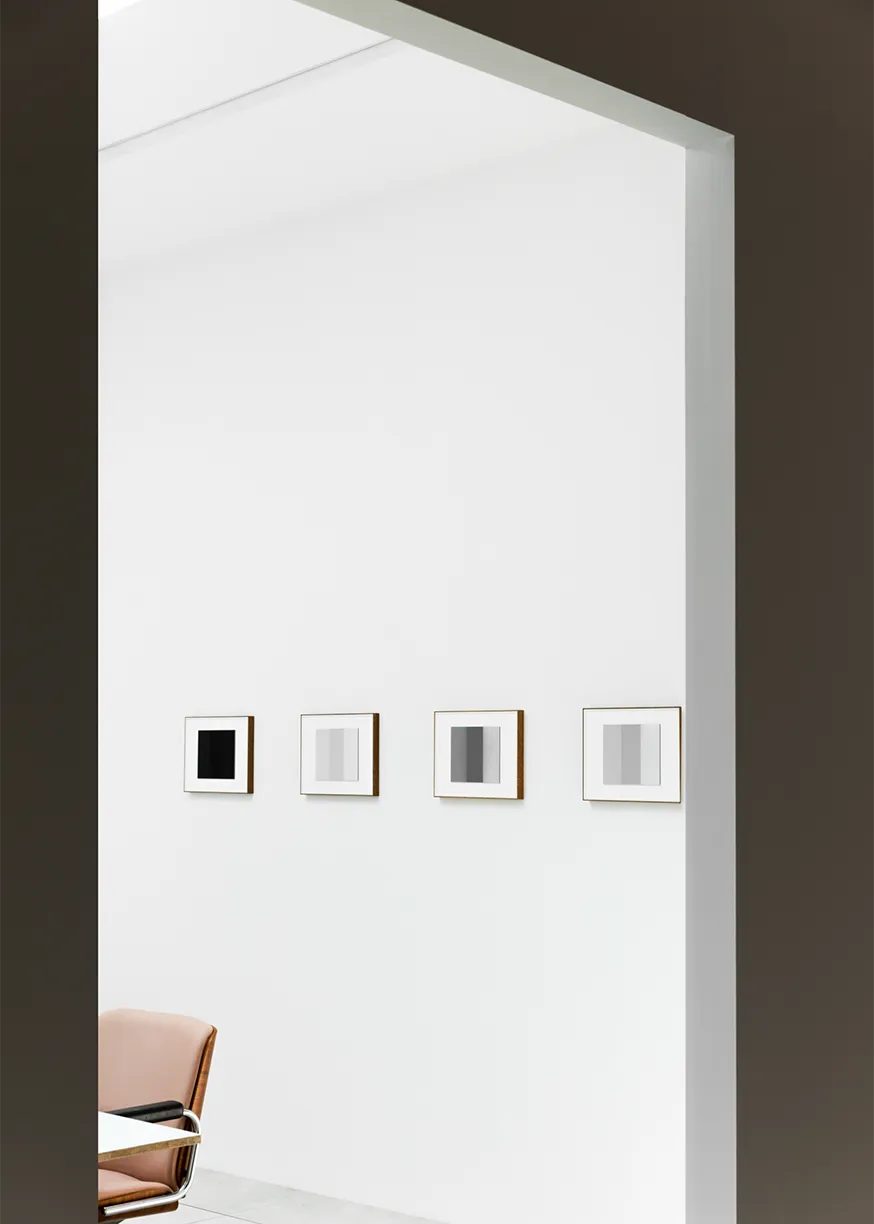
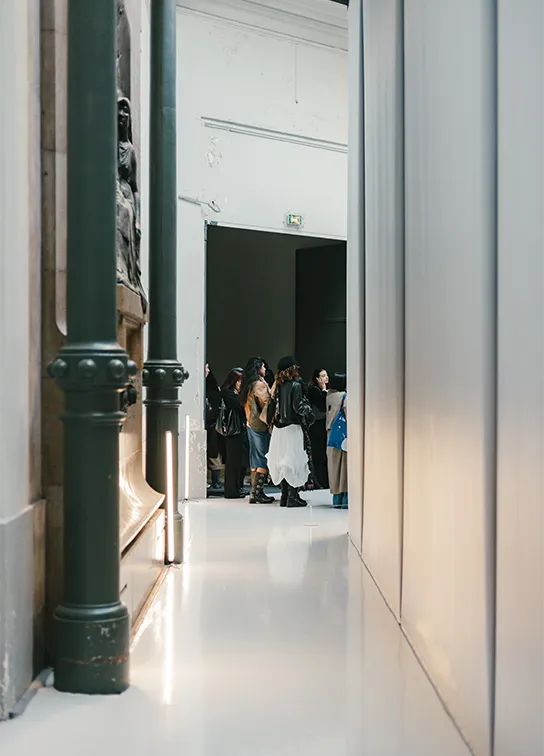
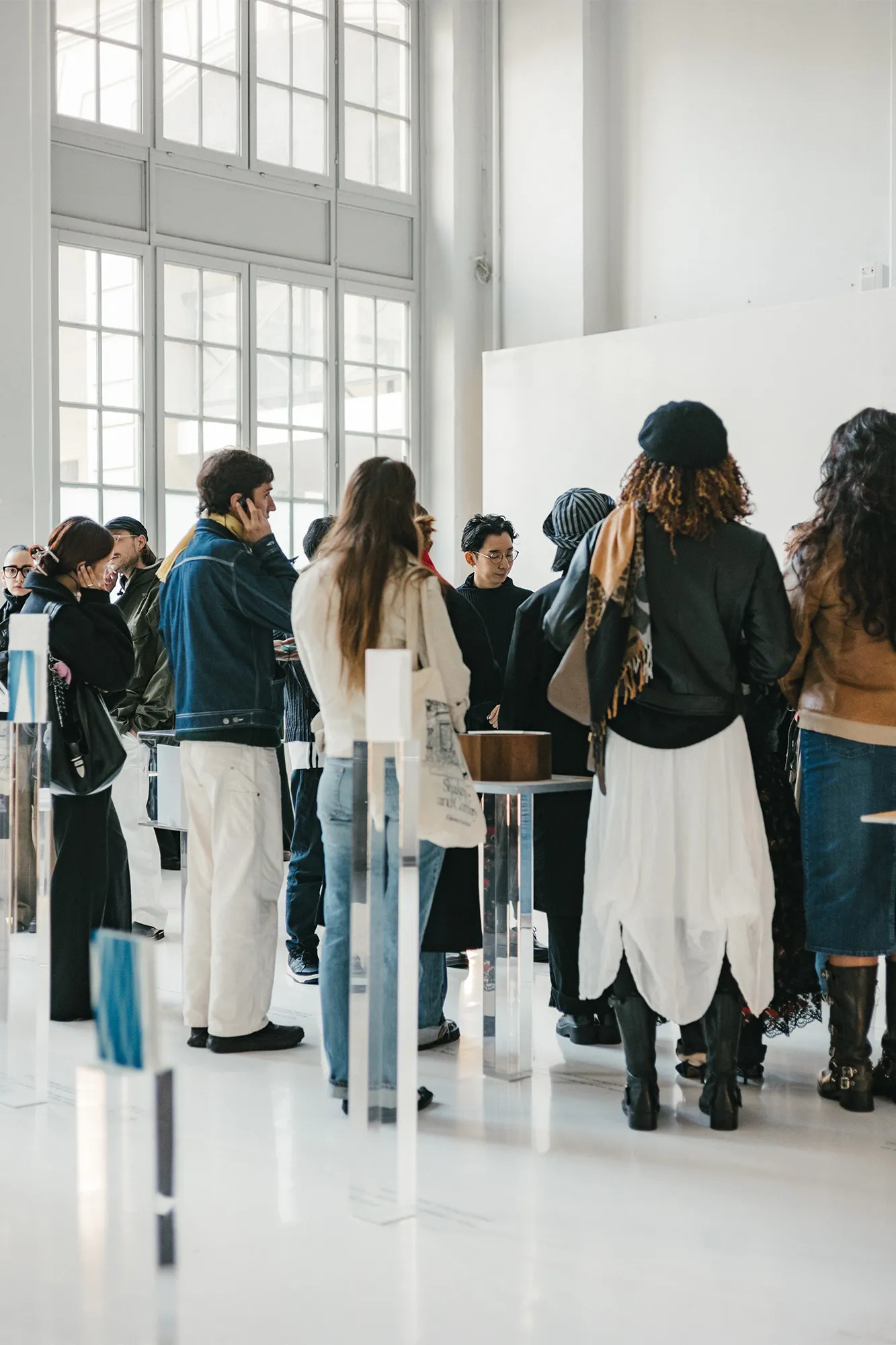
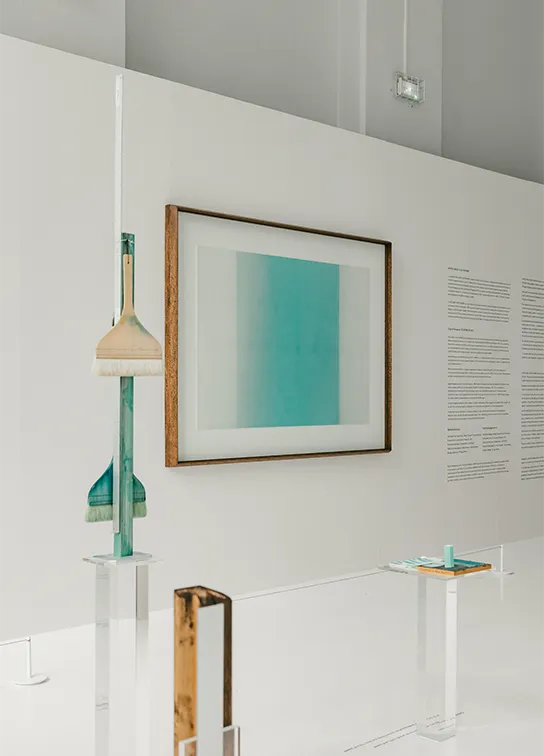
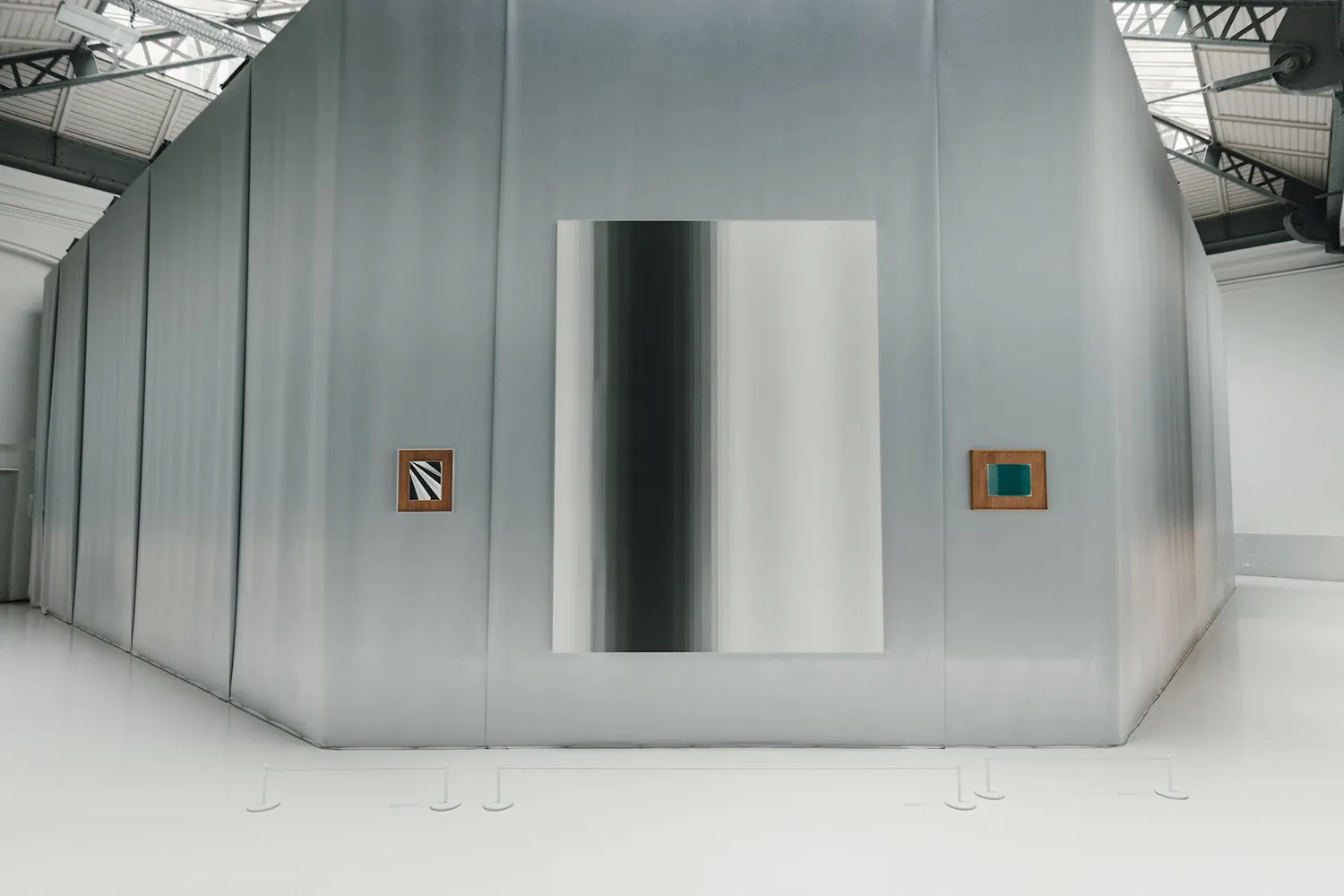
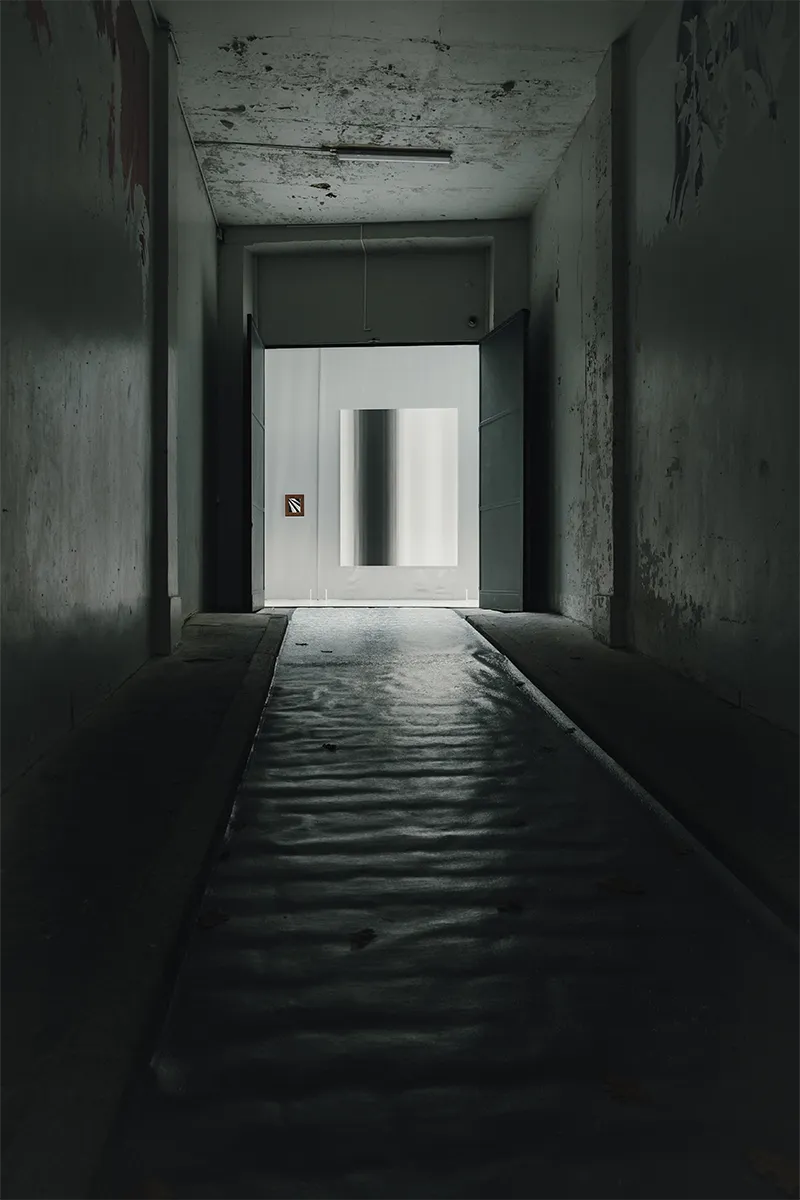
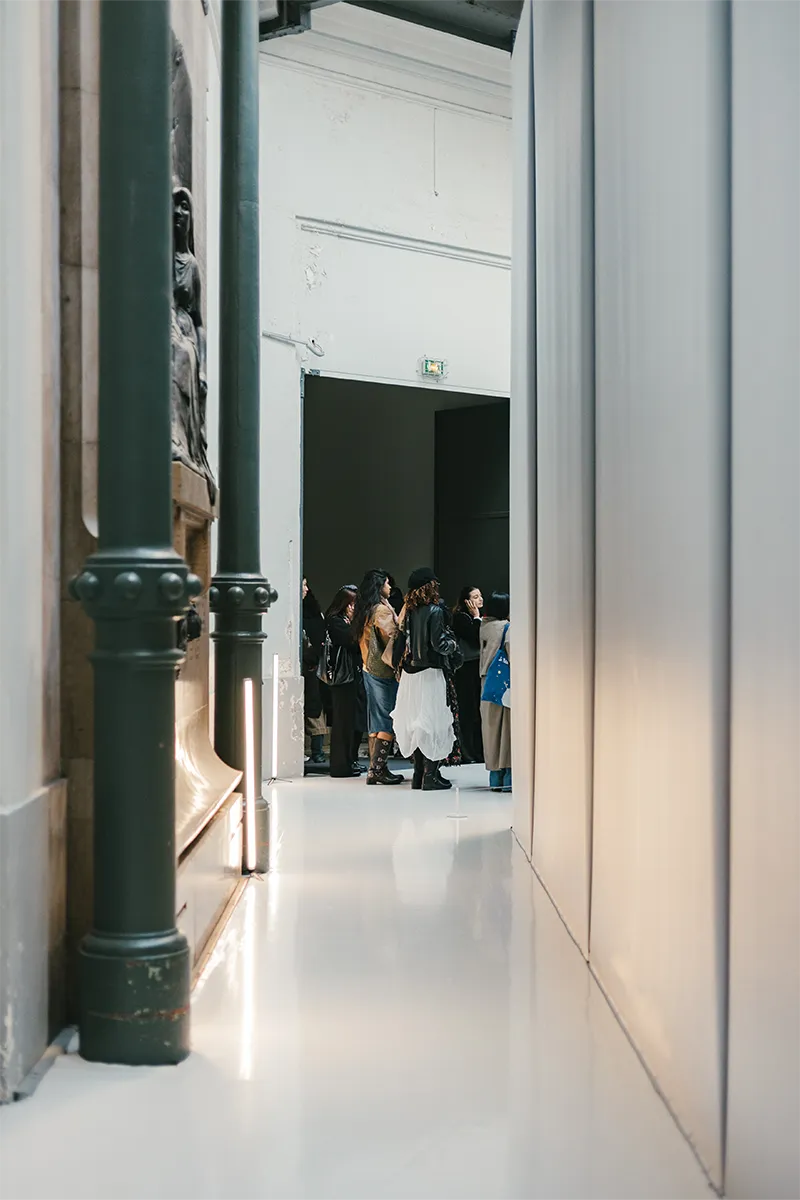
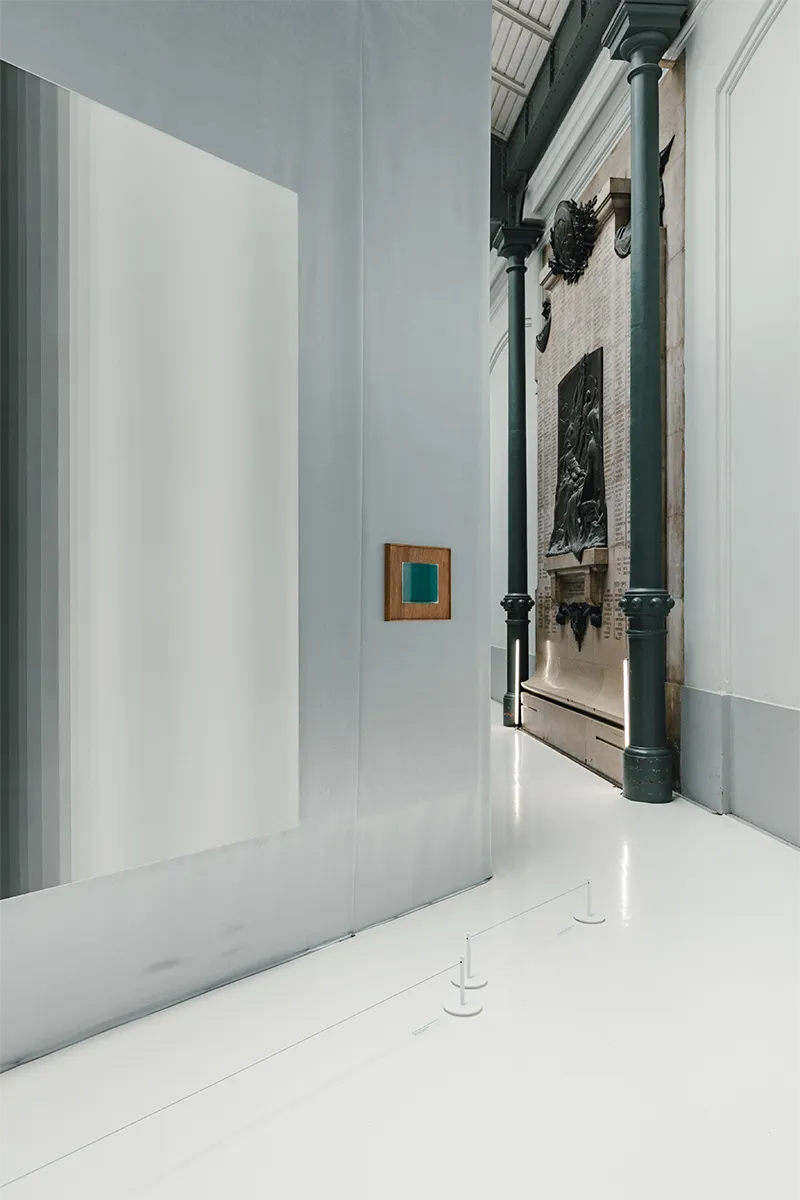
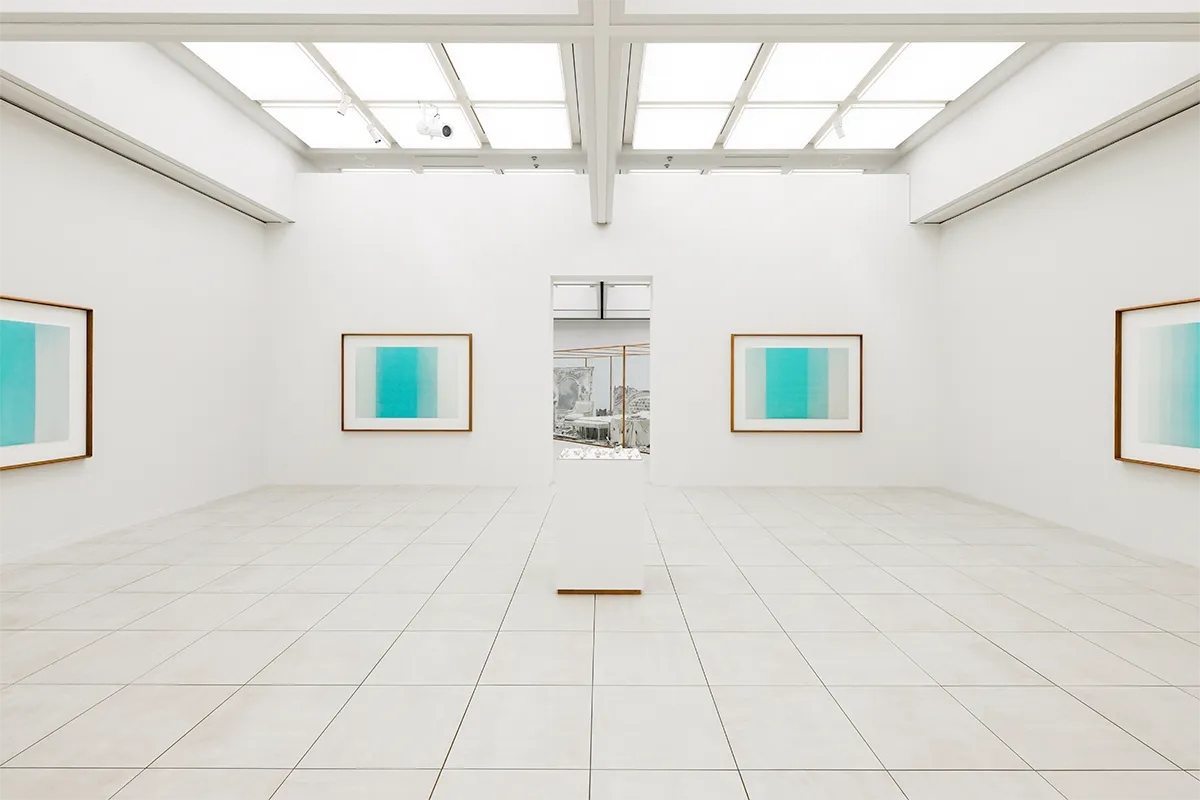
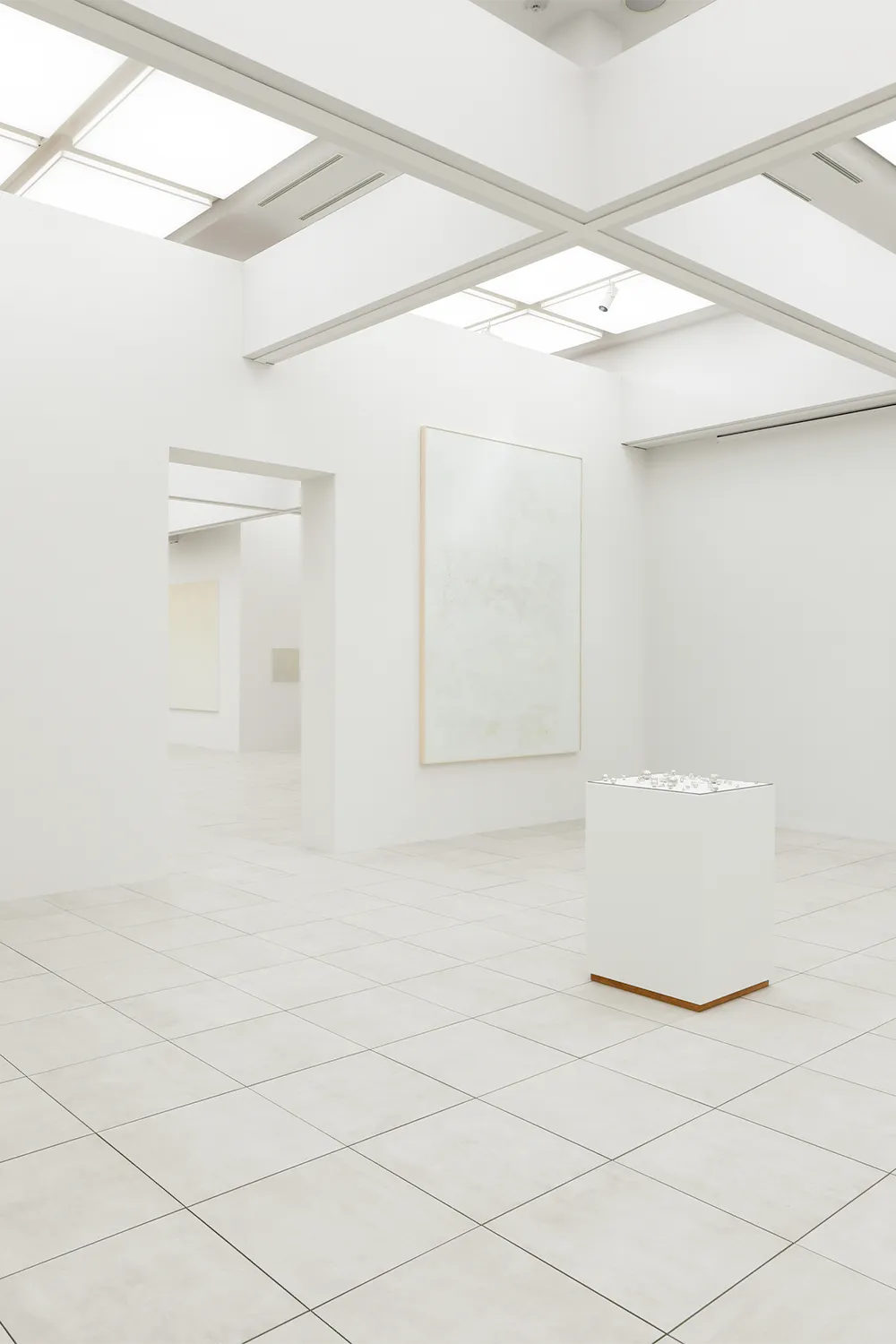
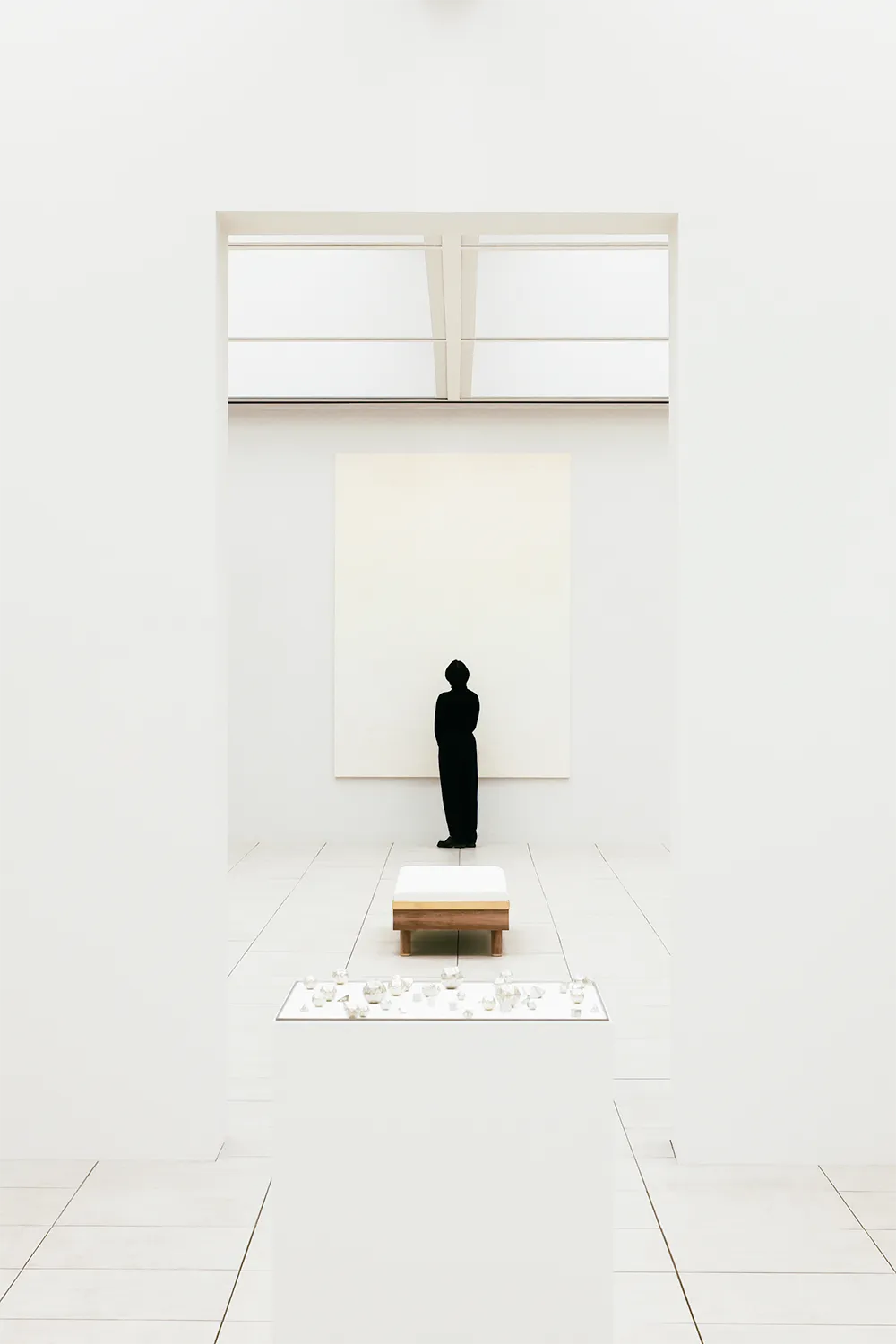
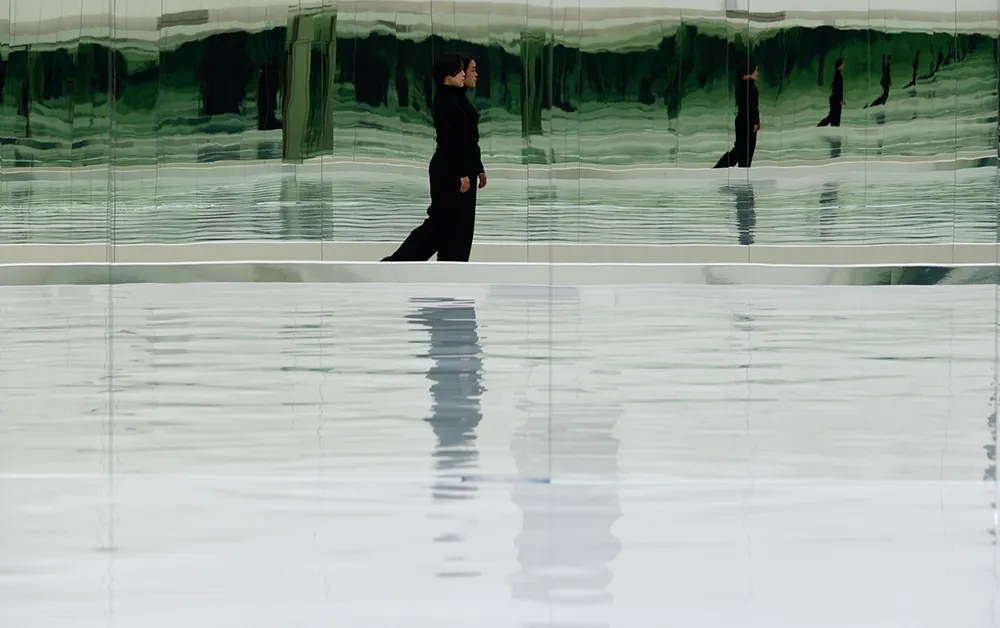
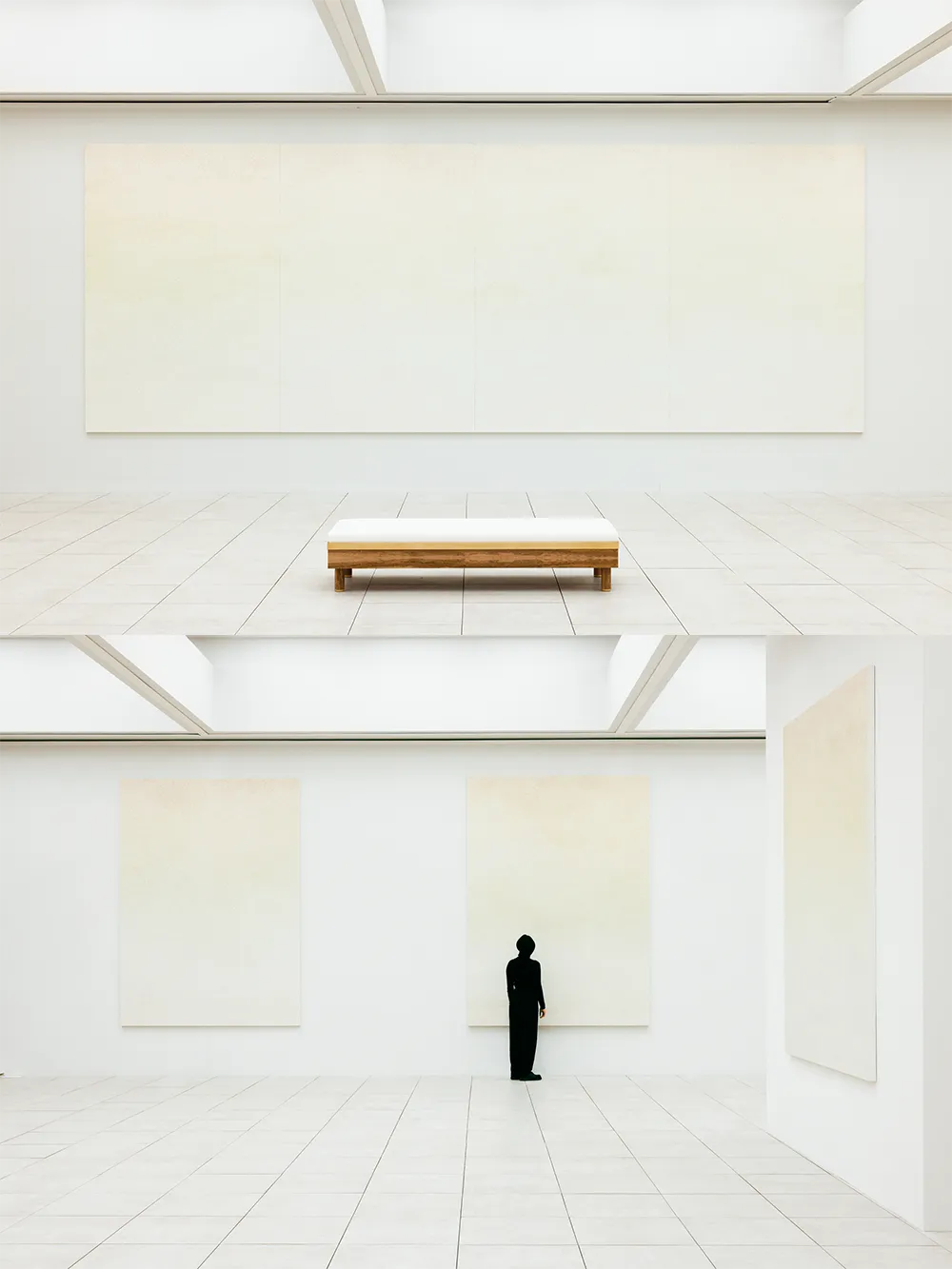
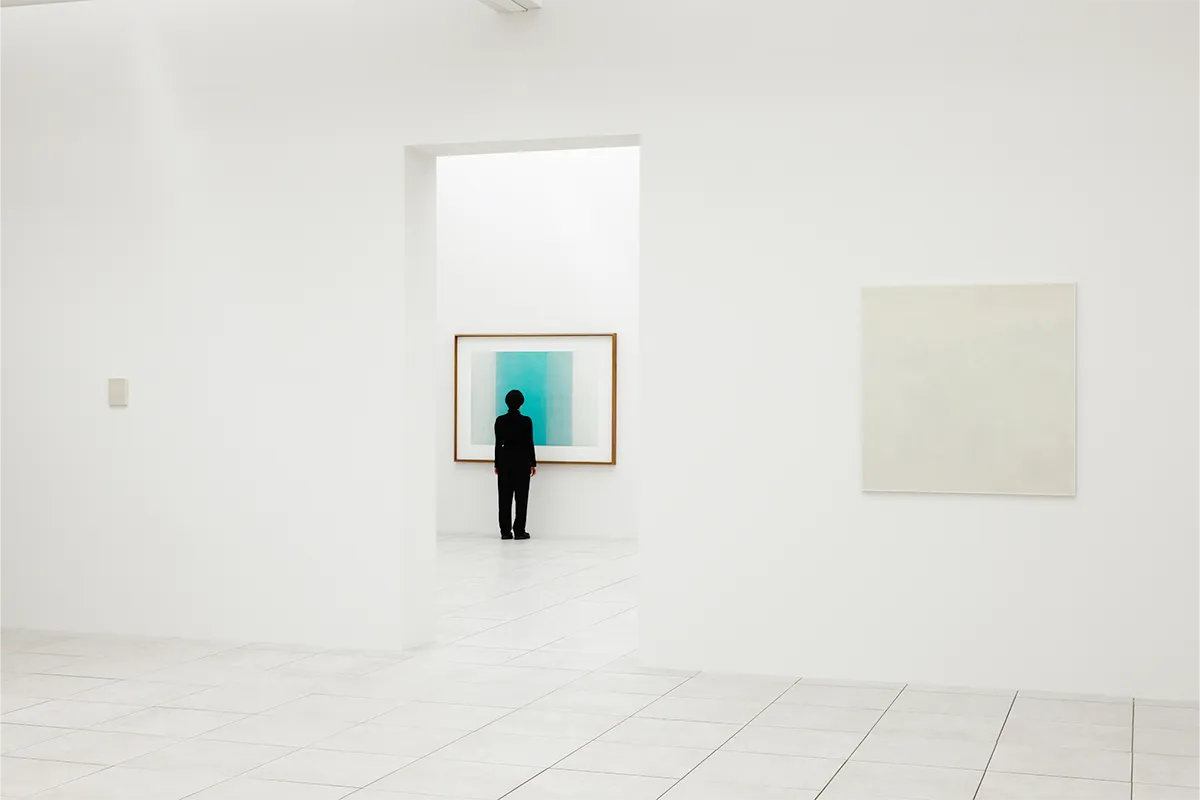
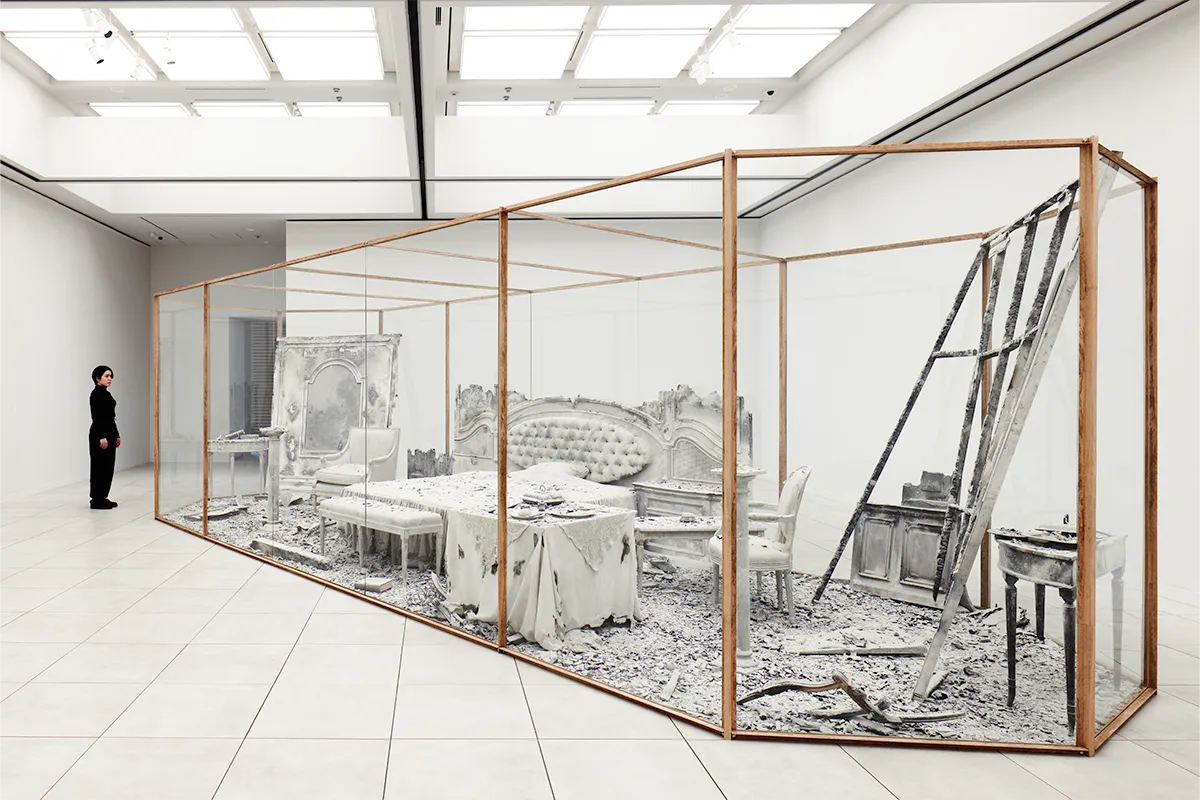
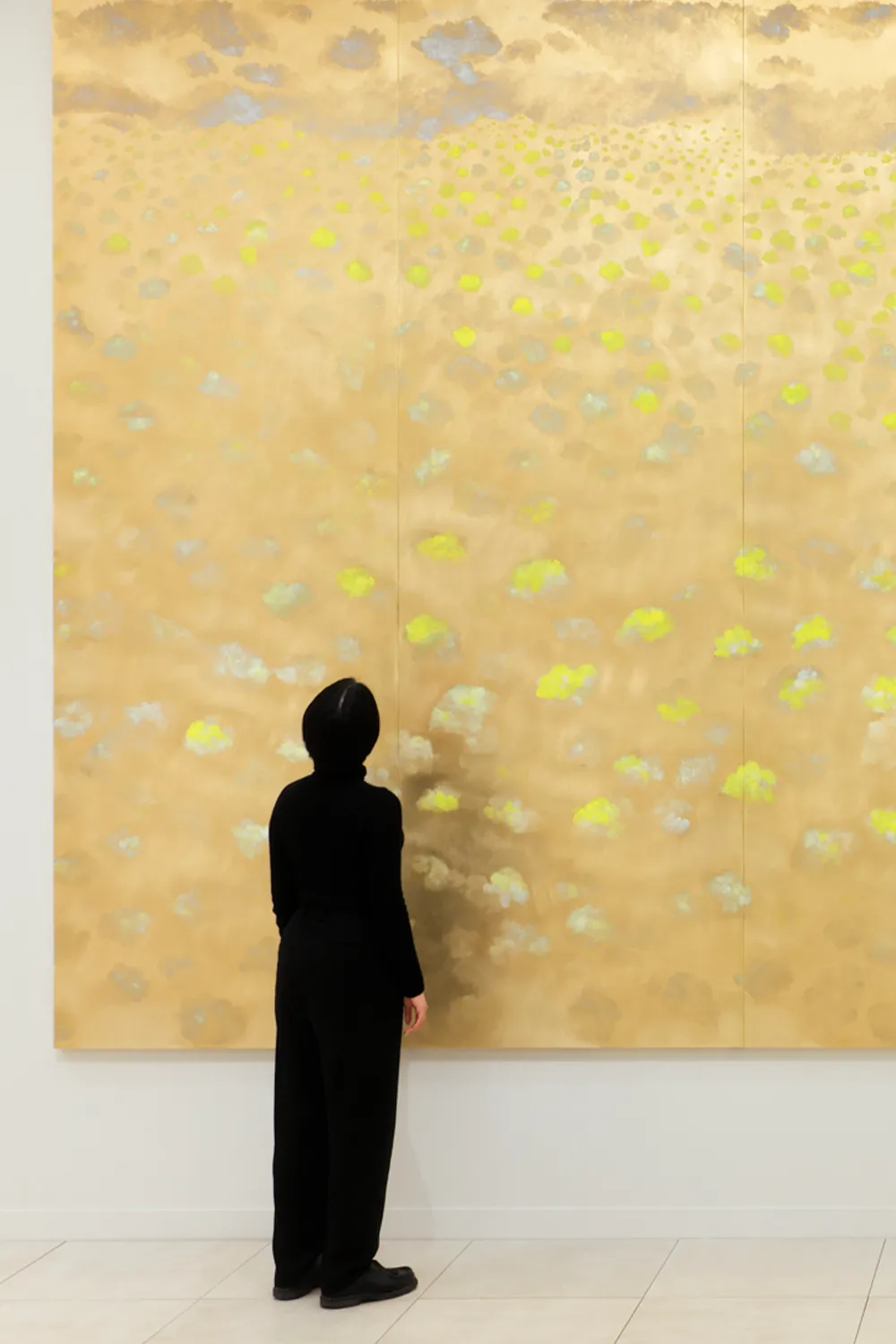
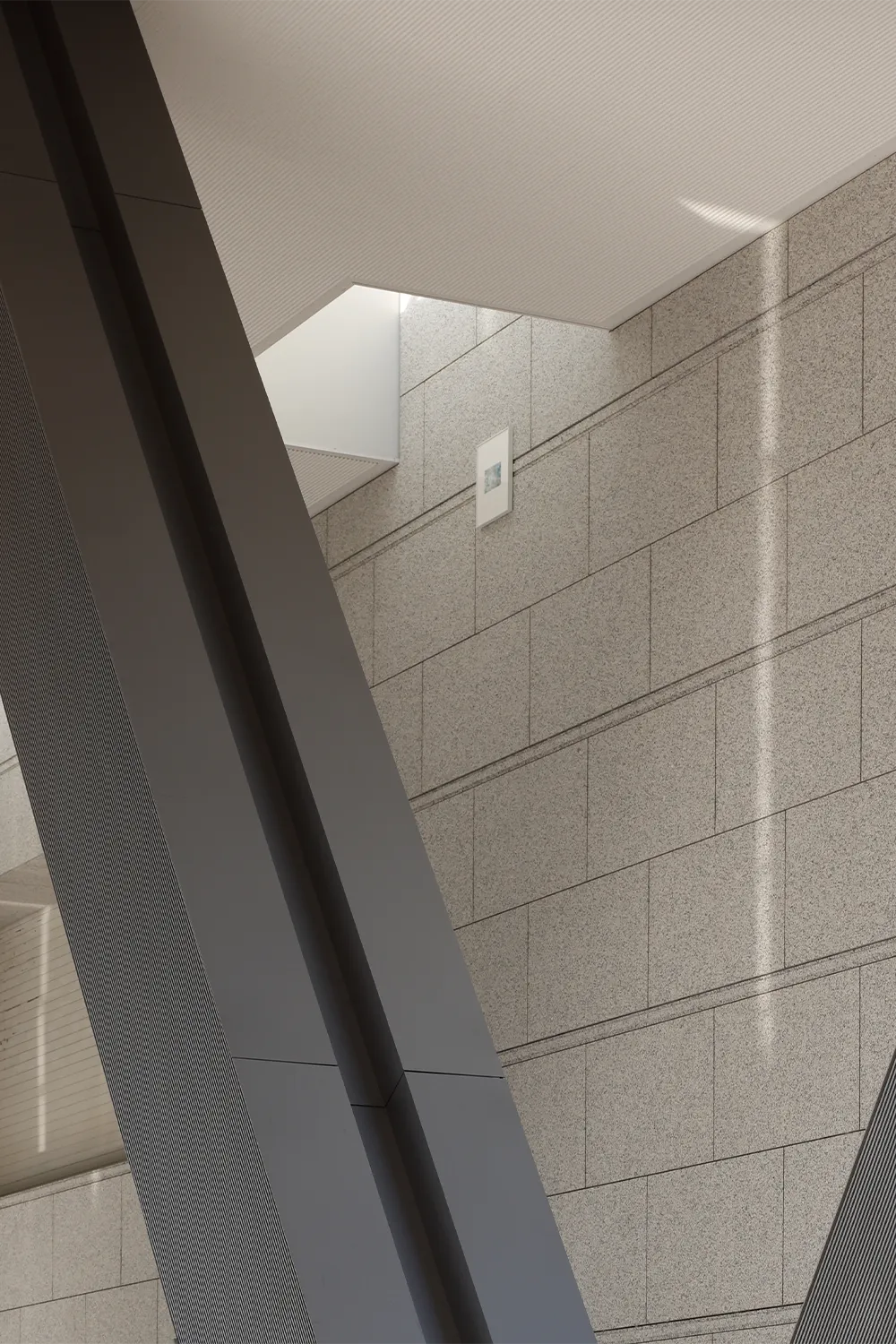
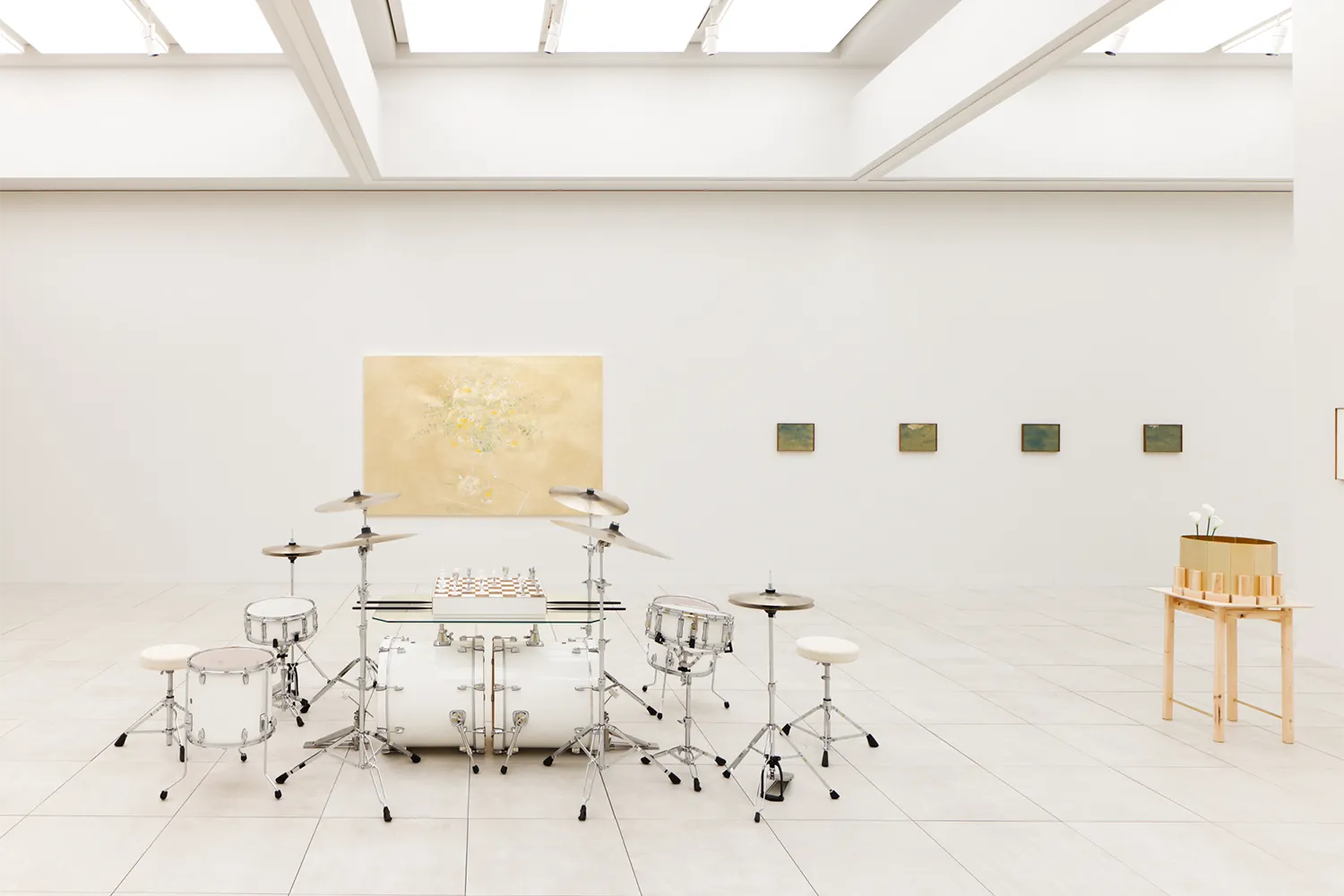
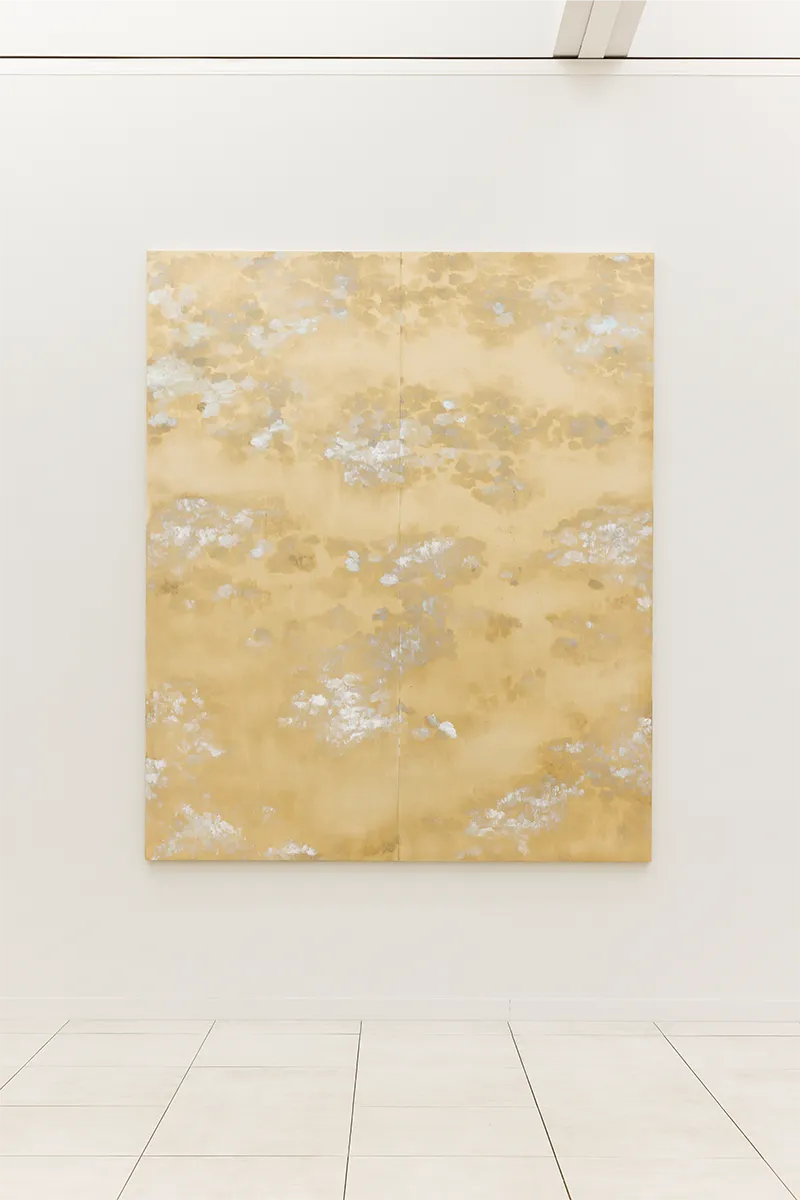
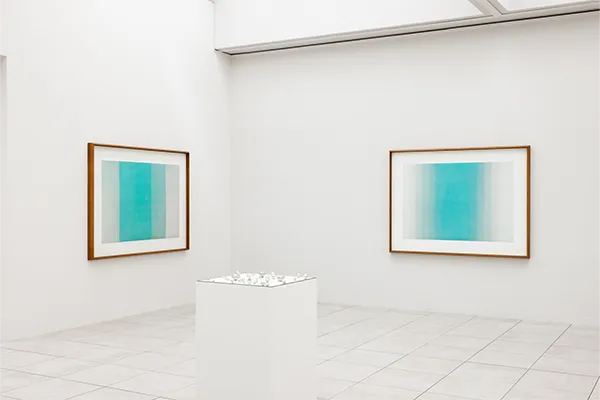
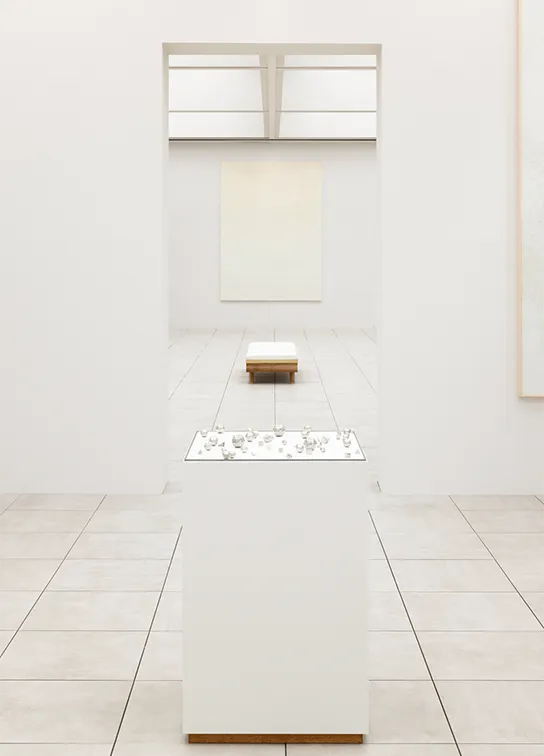
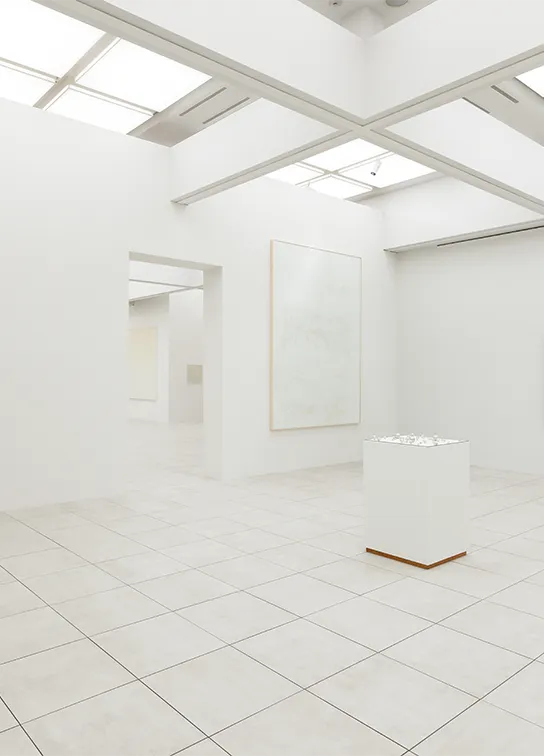
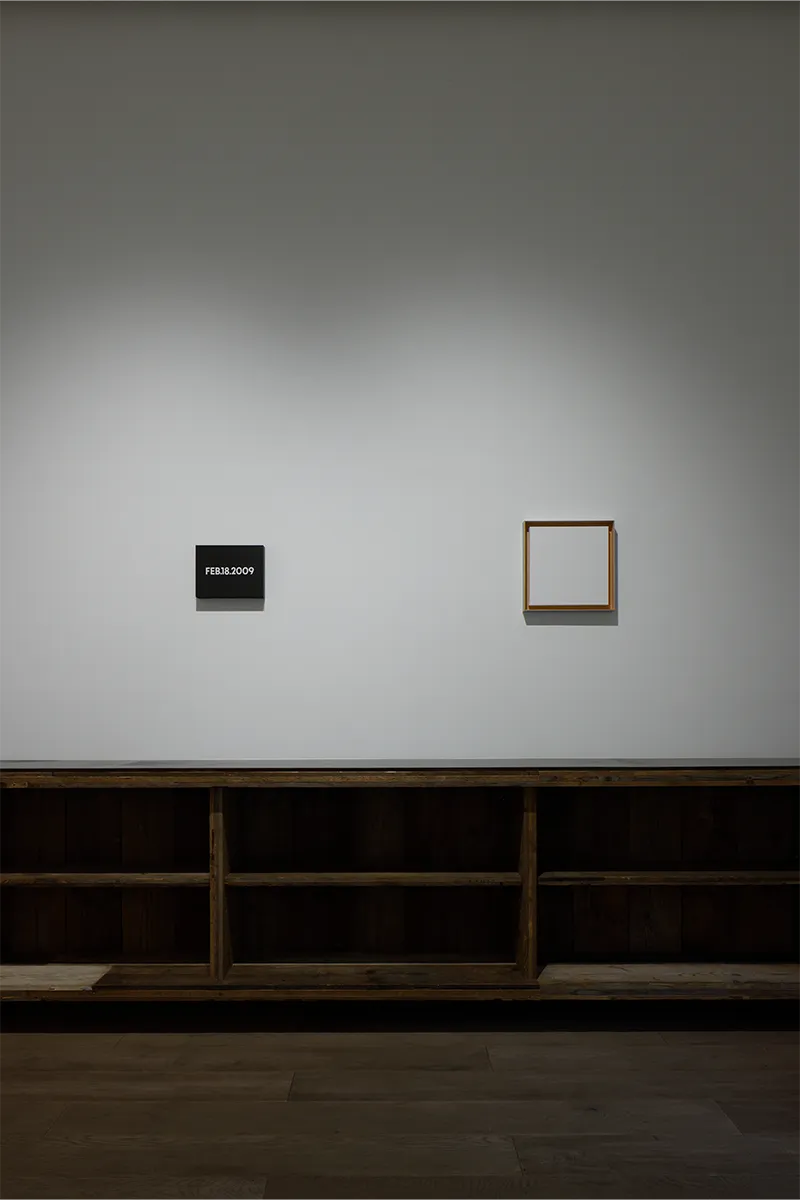
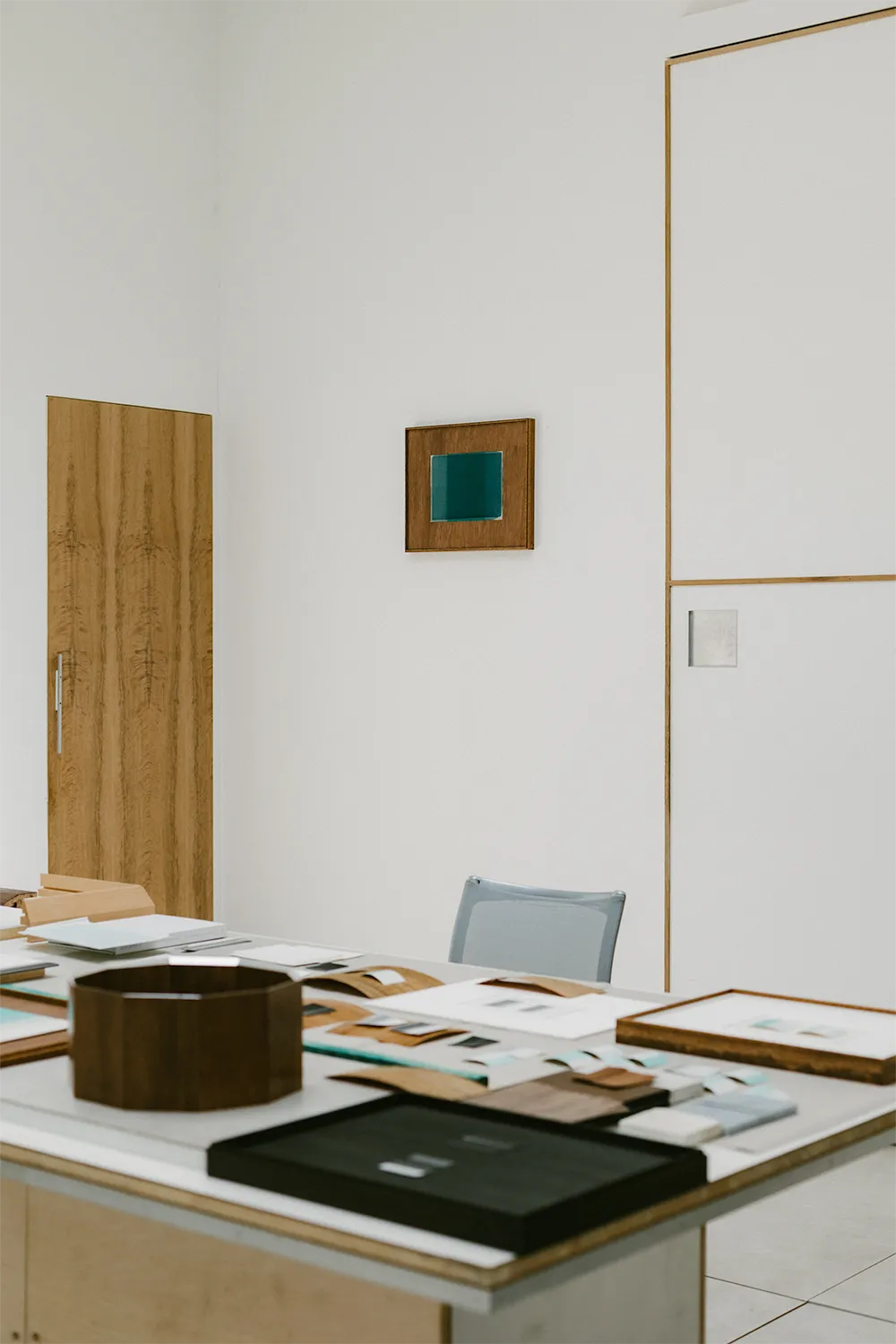
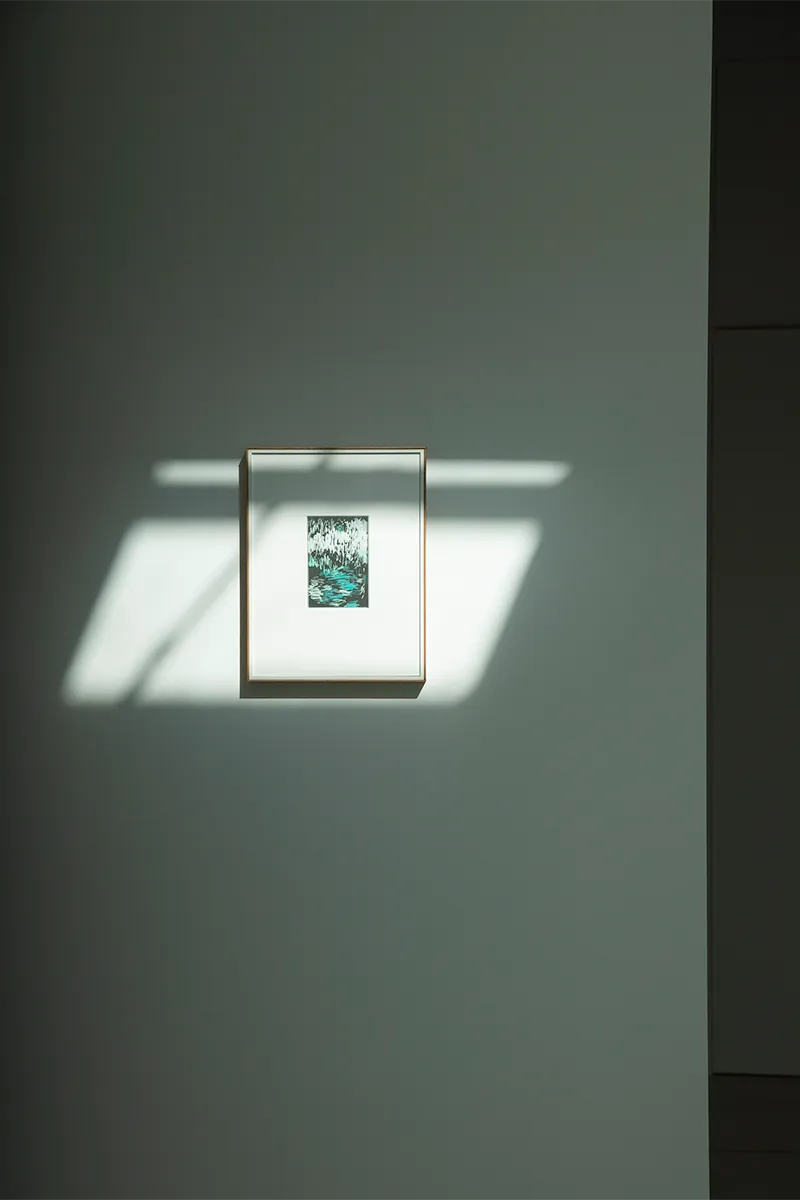
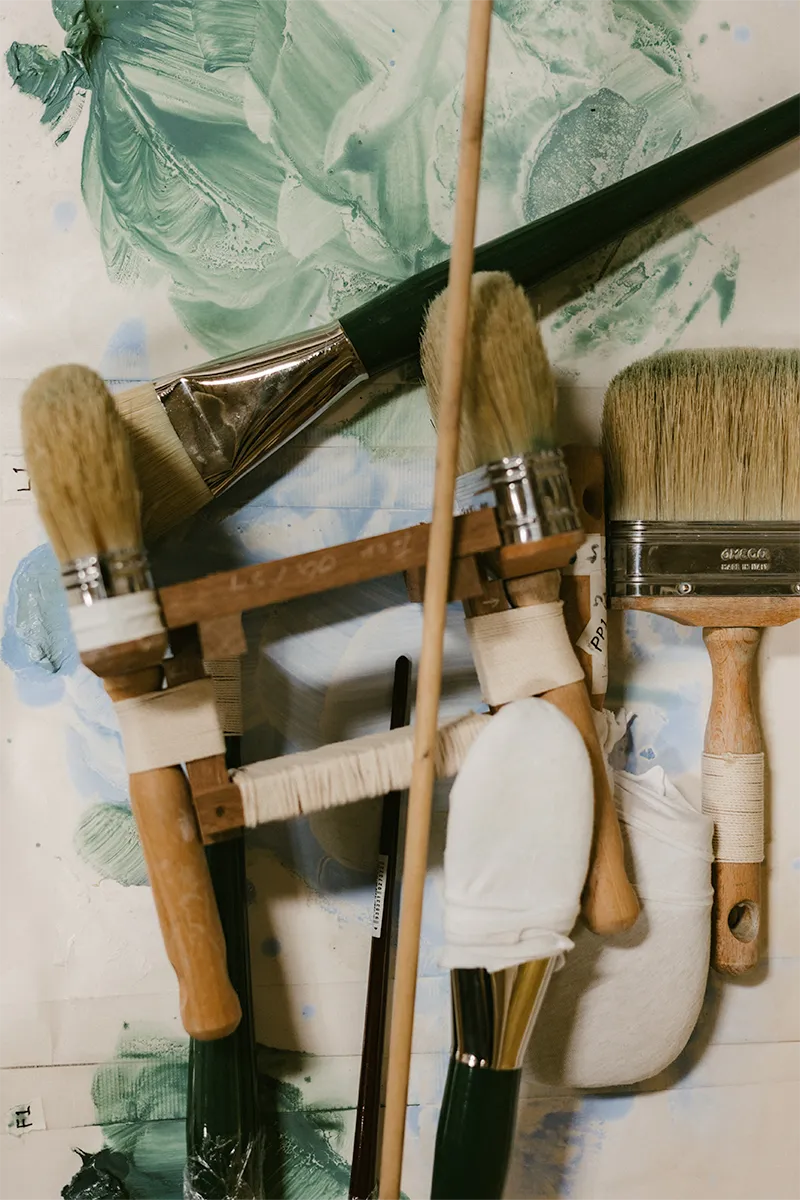
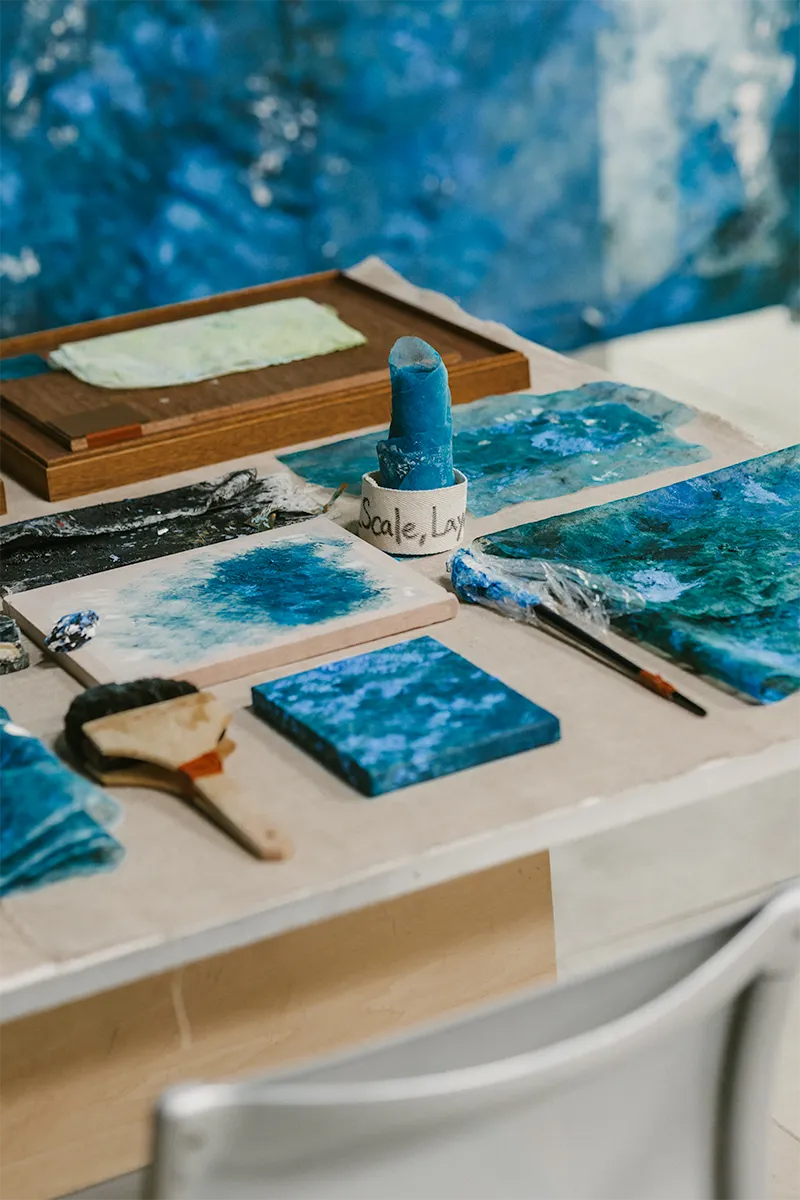
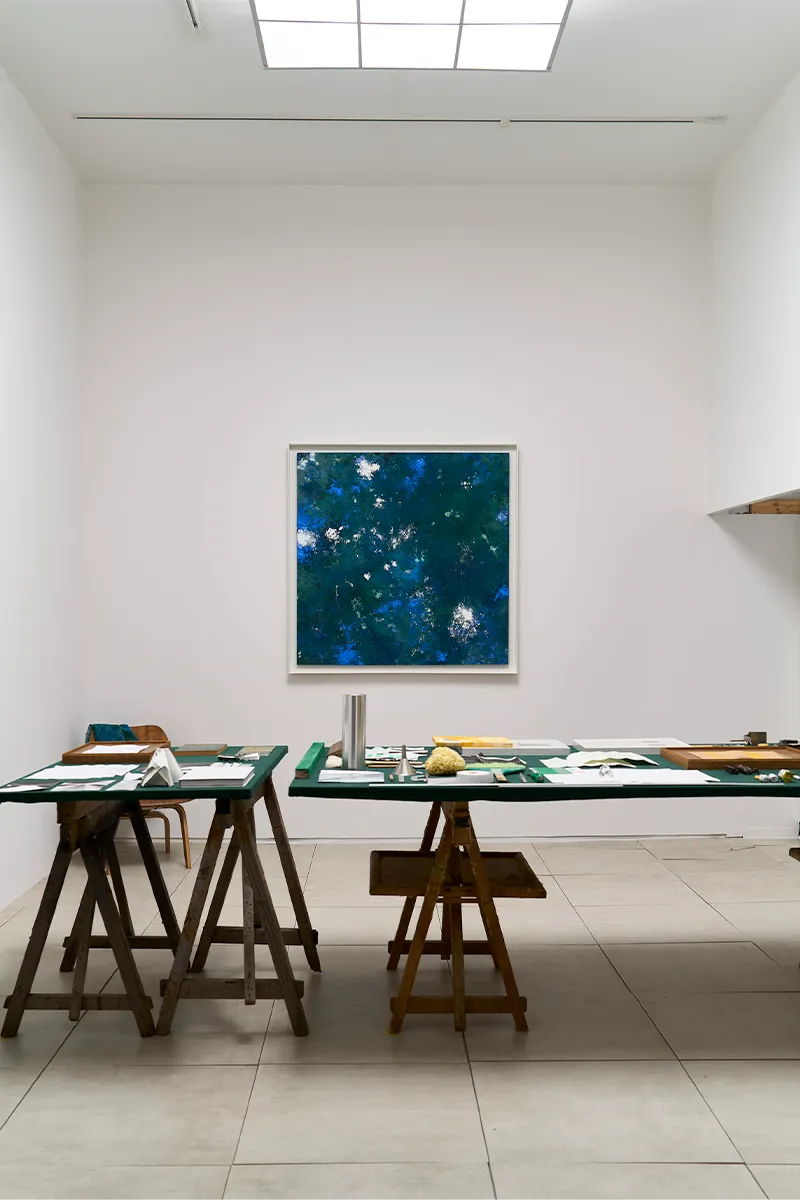
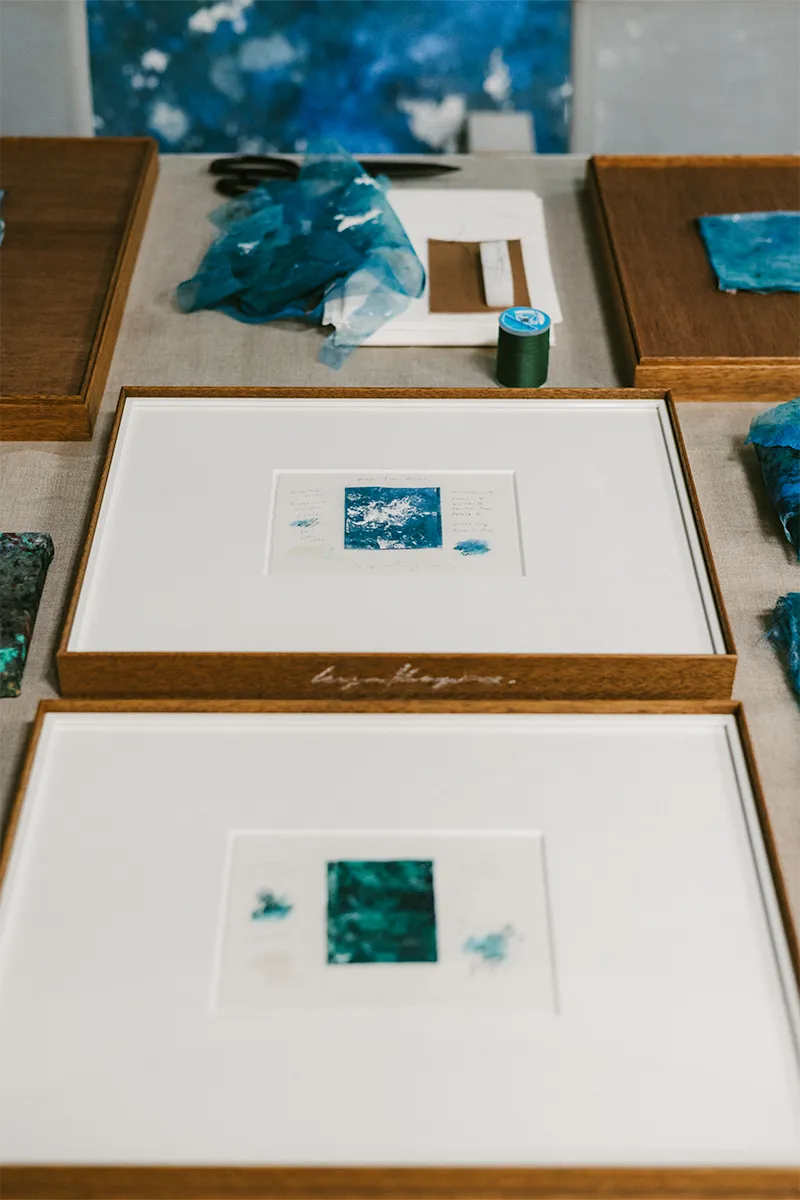
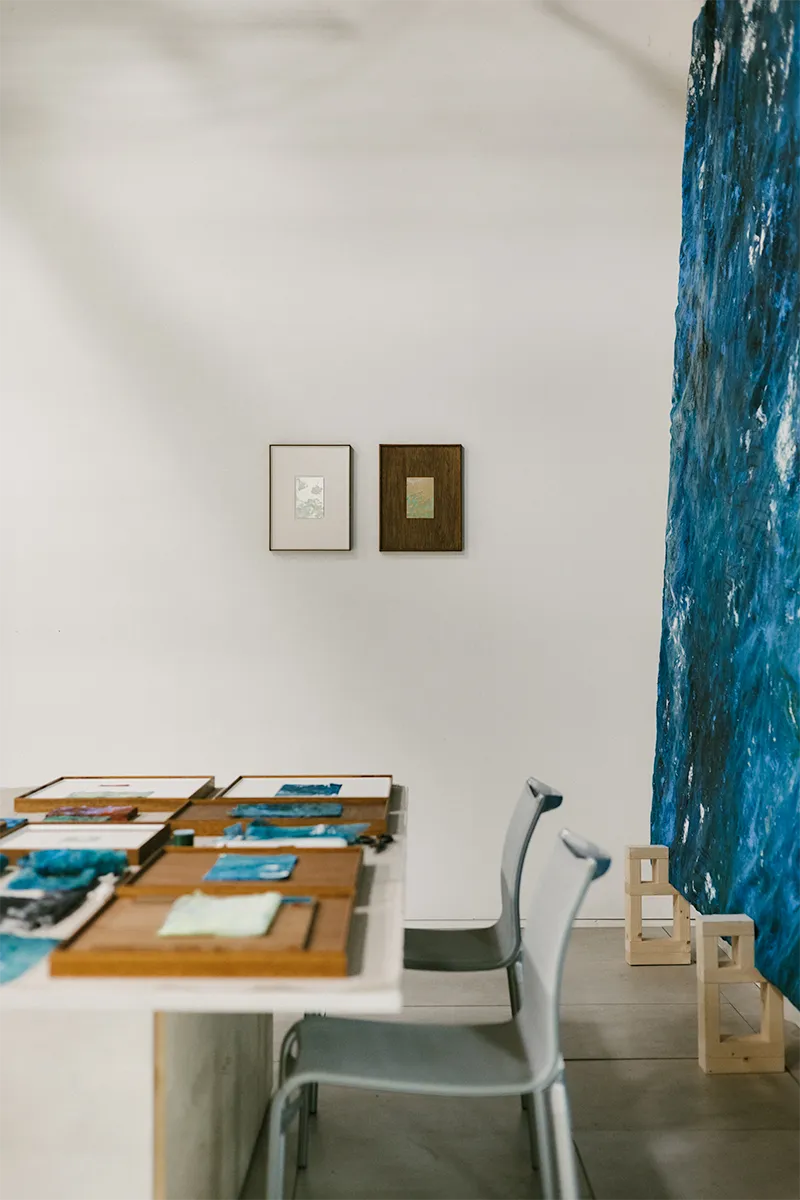
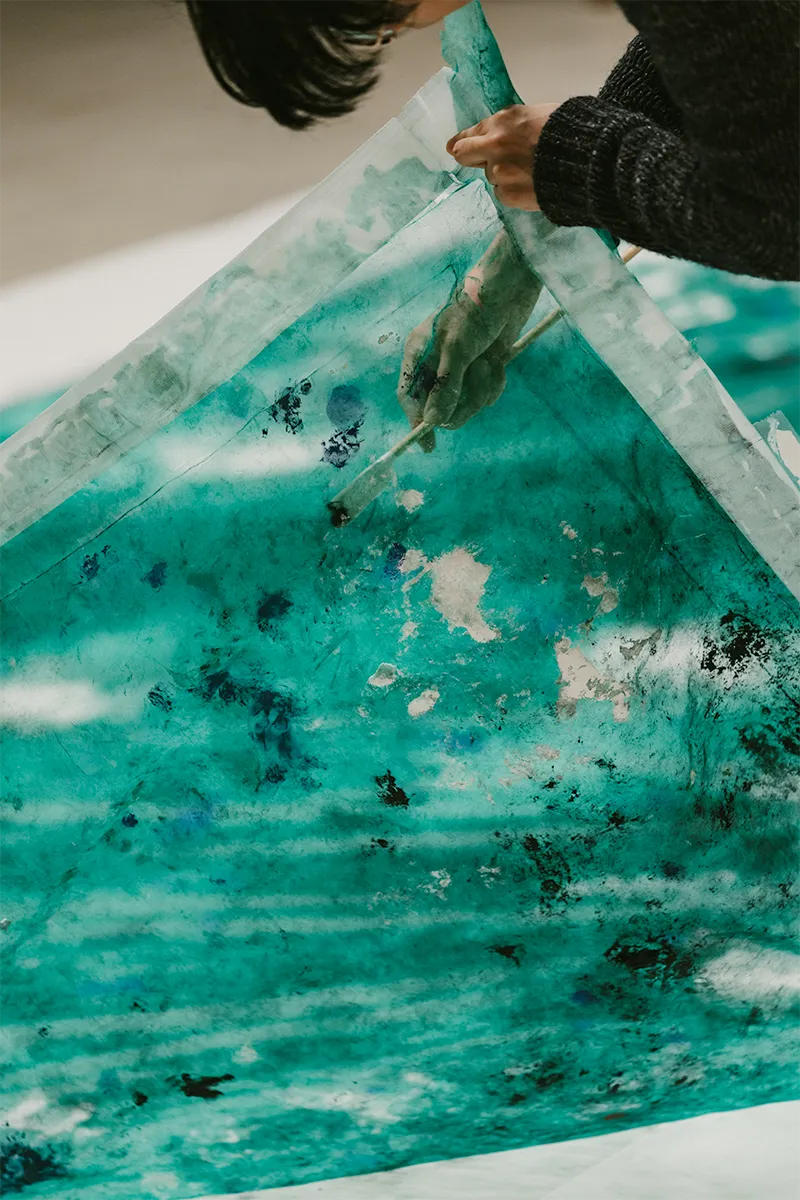
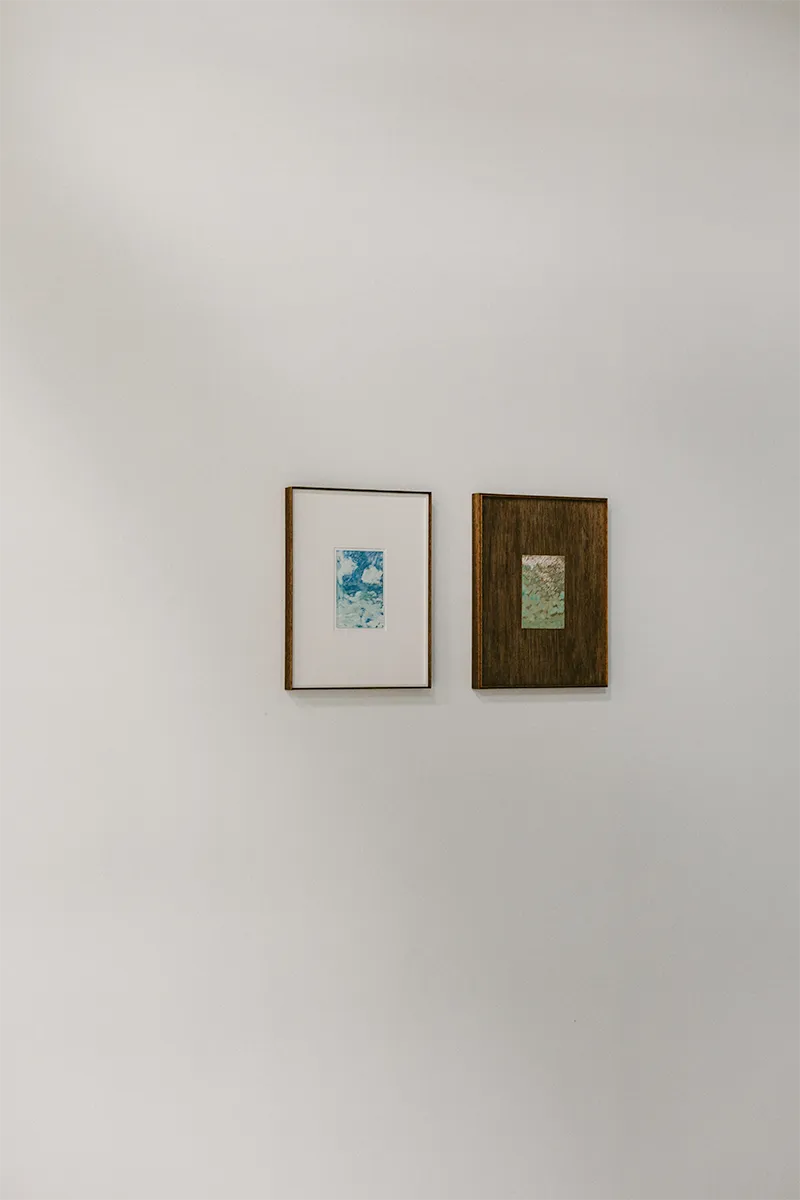
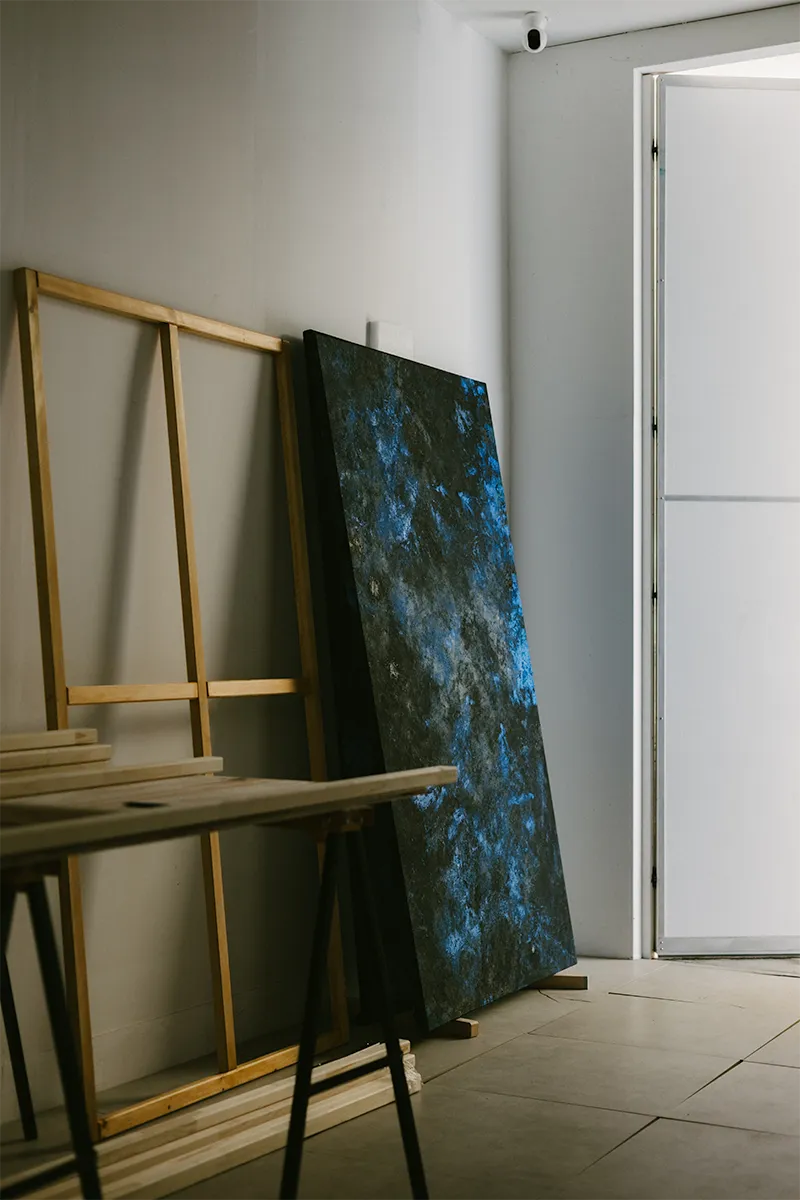
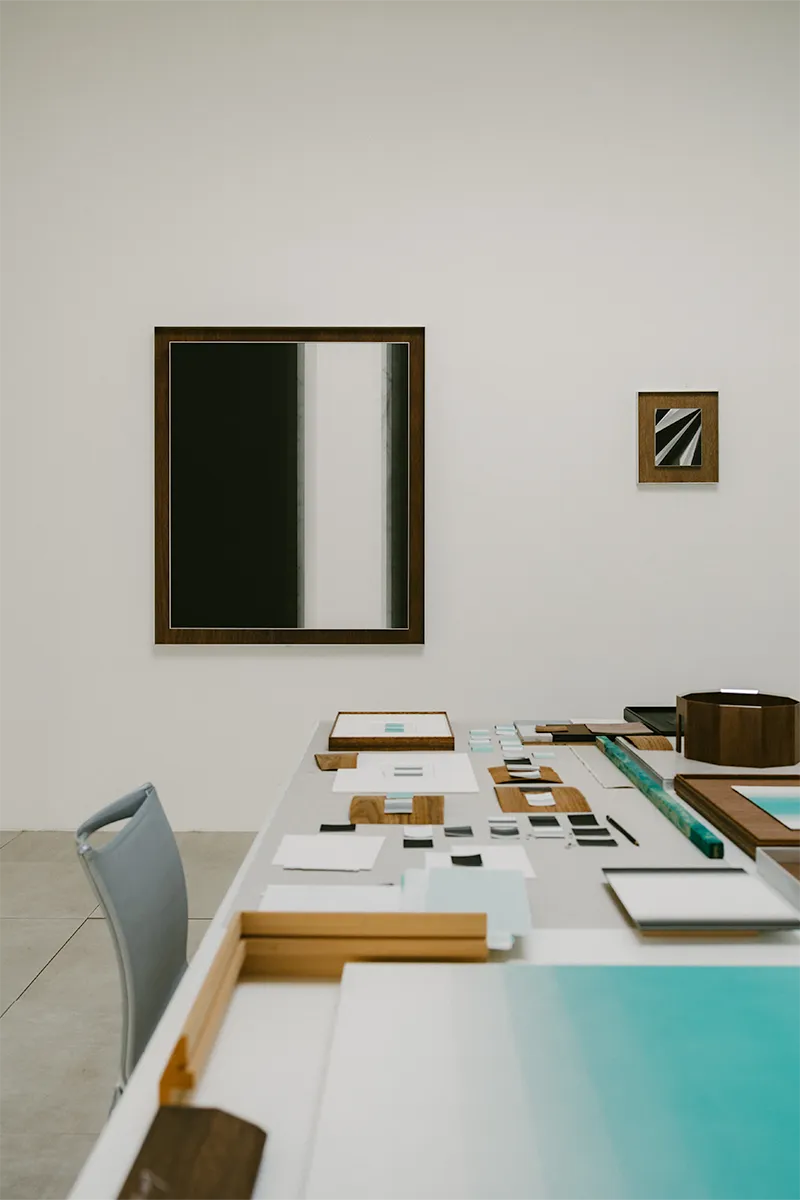
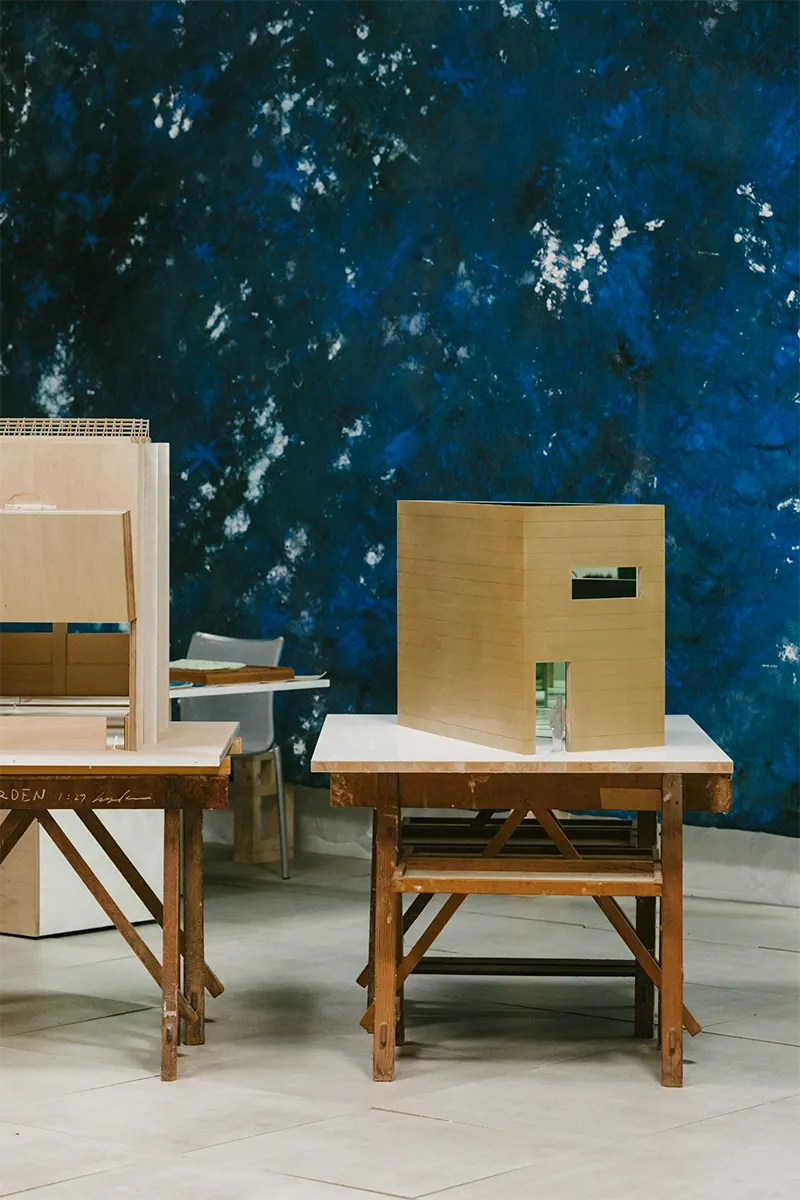
“… At Atelier iii (*Eugene’s Atelier), visitors encounter a spacious, meticulously curated mini museum showcasing several of the 35-year-old artist’s paintings, installations and sculptures. Beyond the public eye, workshop areas are tucked away behind walls, where his ongoing creative process quietly unfolds.” ...
The Financial Times (UK, print and web) featured The Emmerald
“… Kangawa’s art and its spaces ask us to pause, consider the passage of time and the weight of our presence in it.”
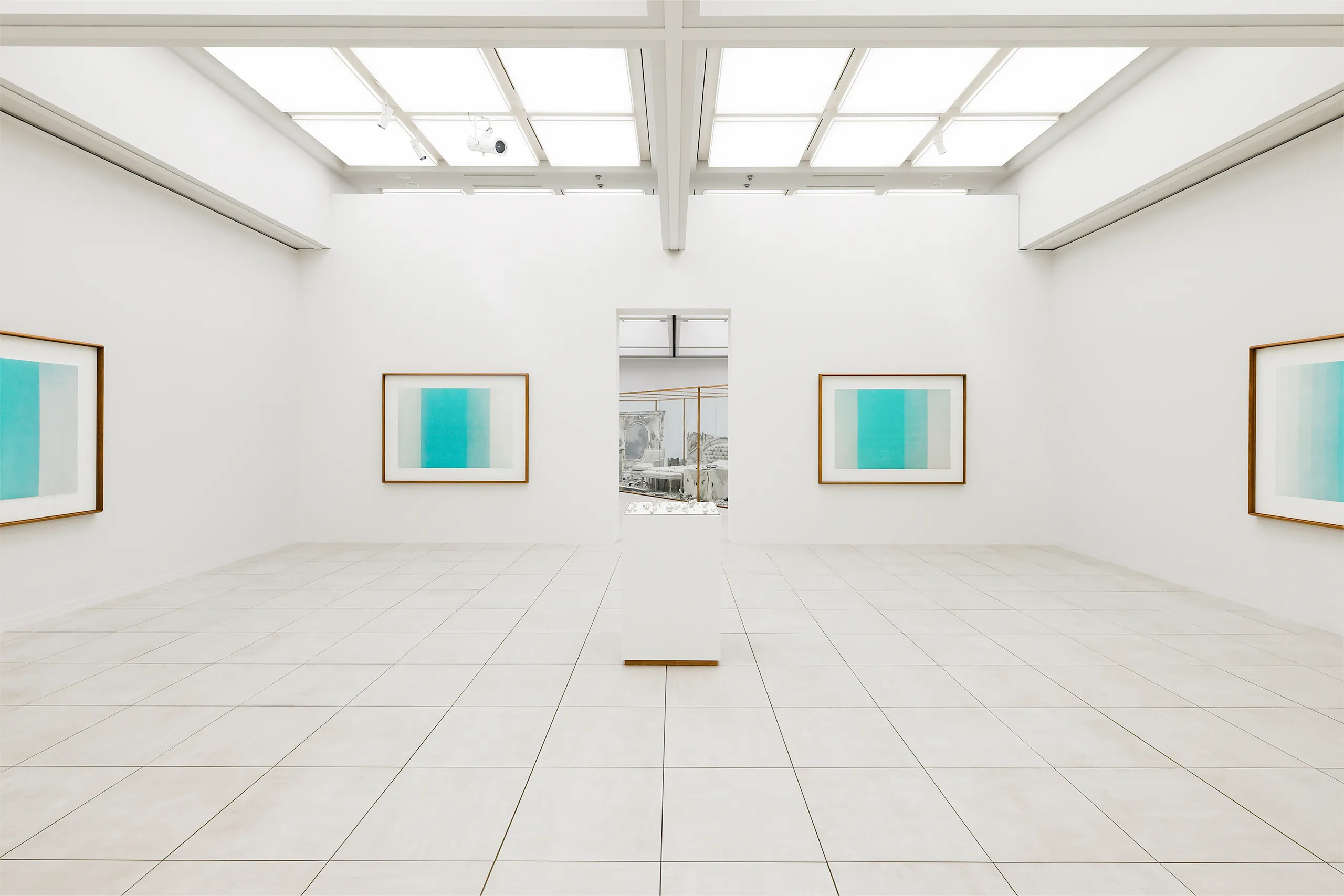
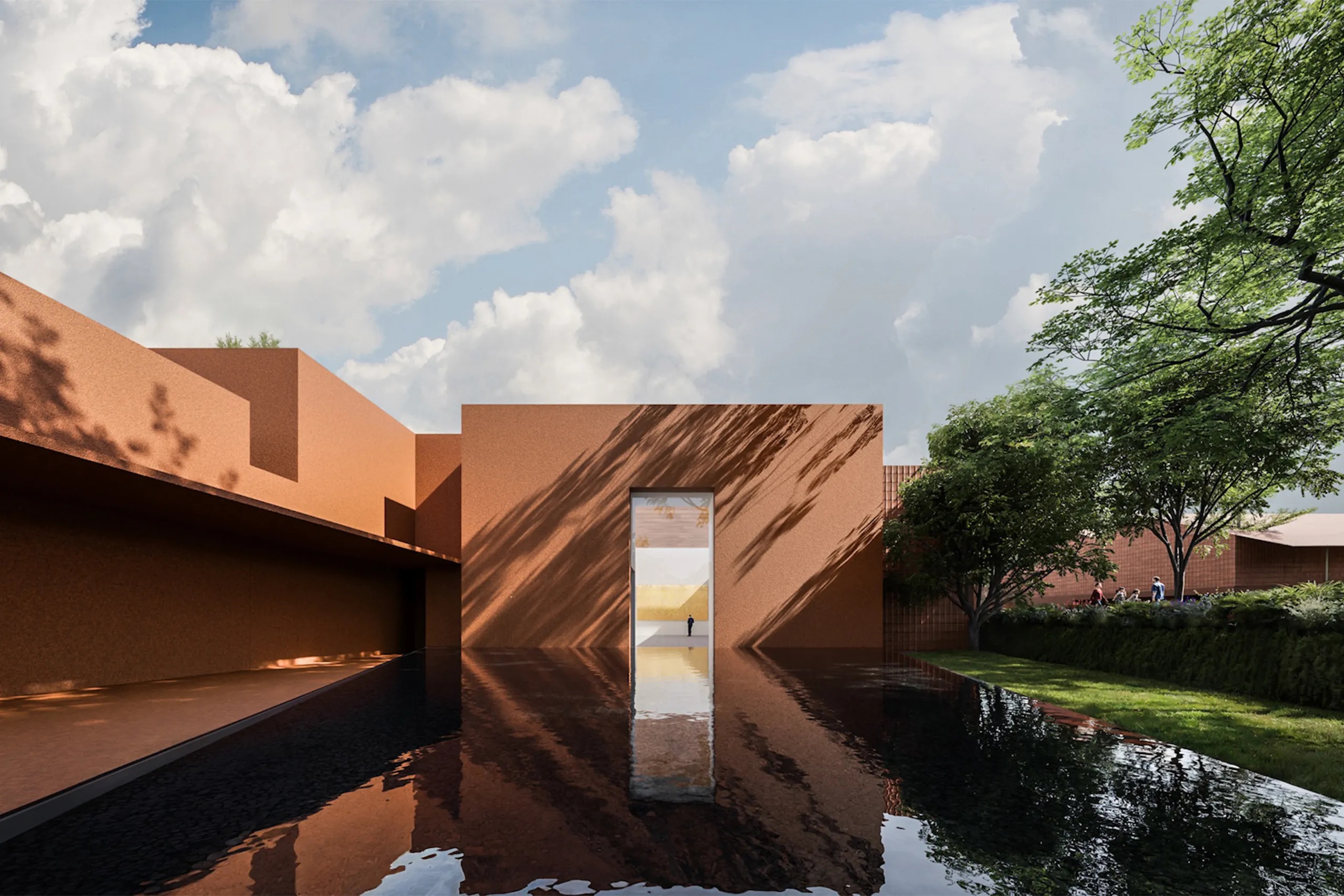
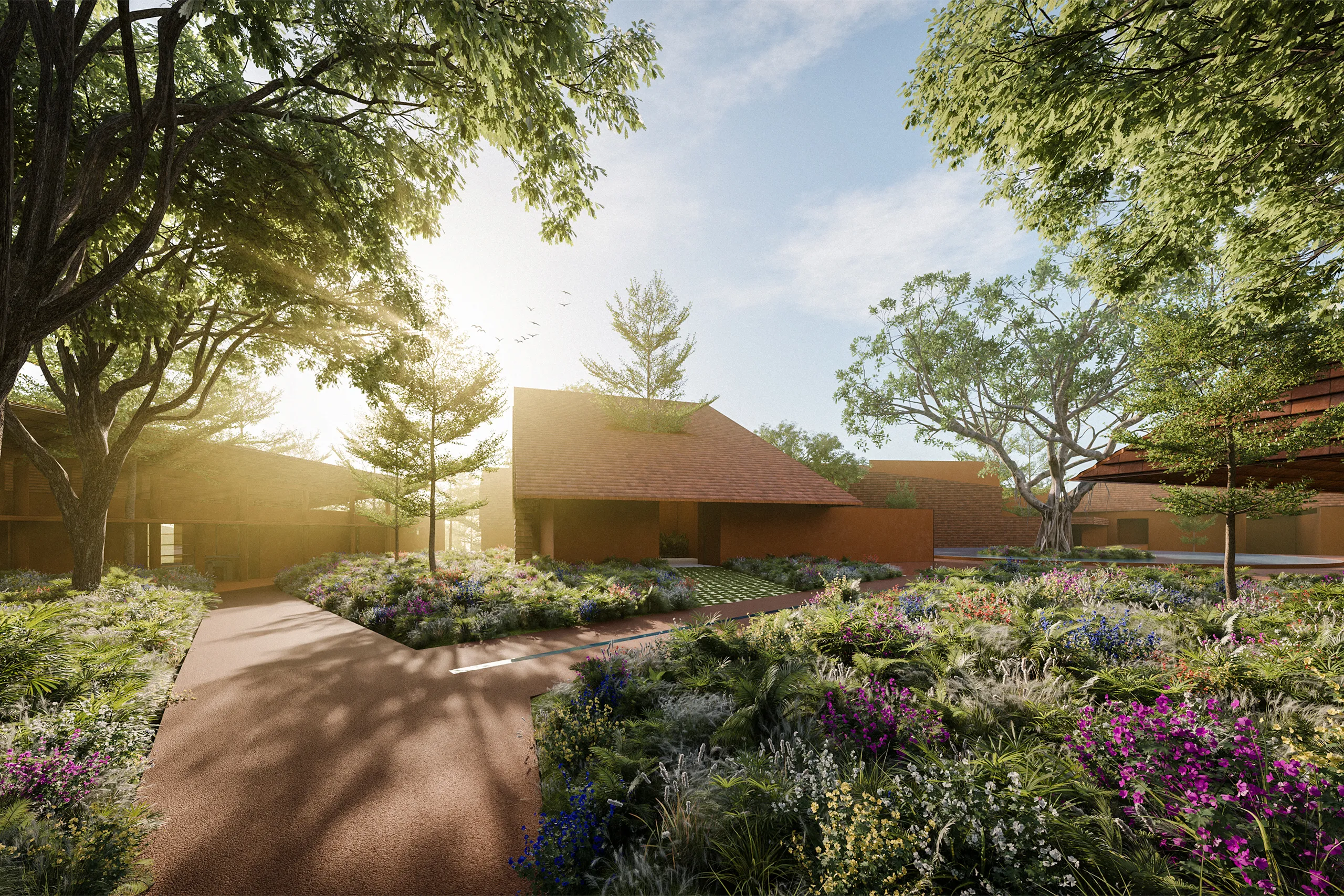
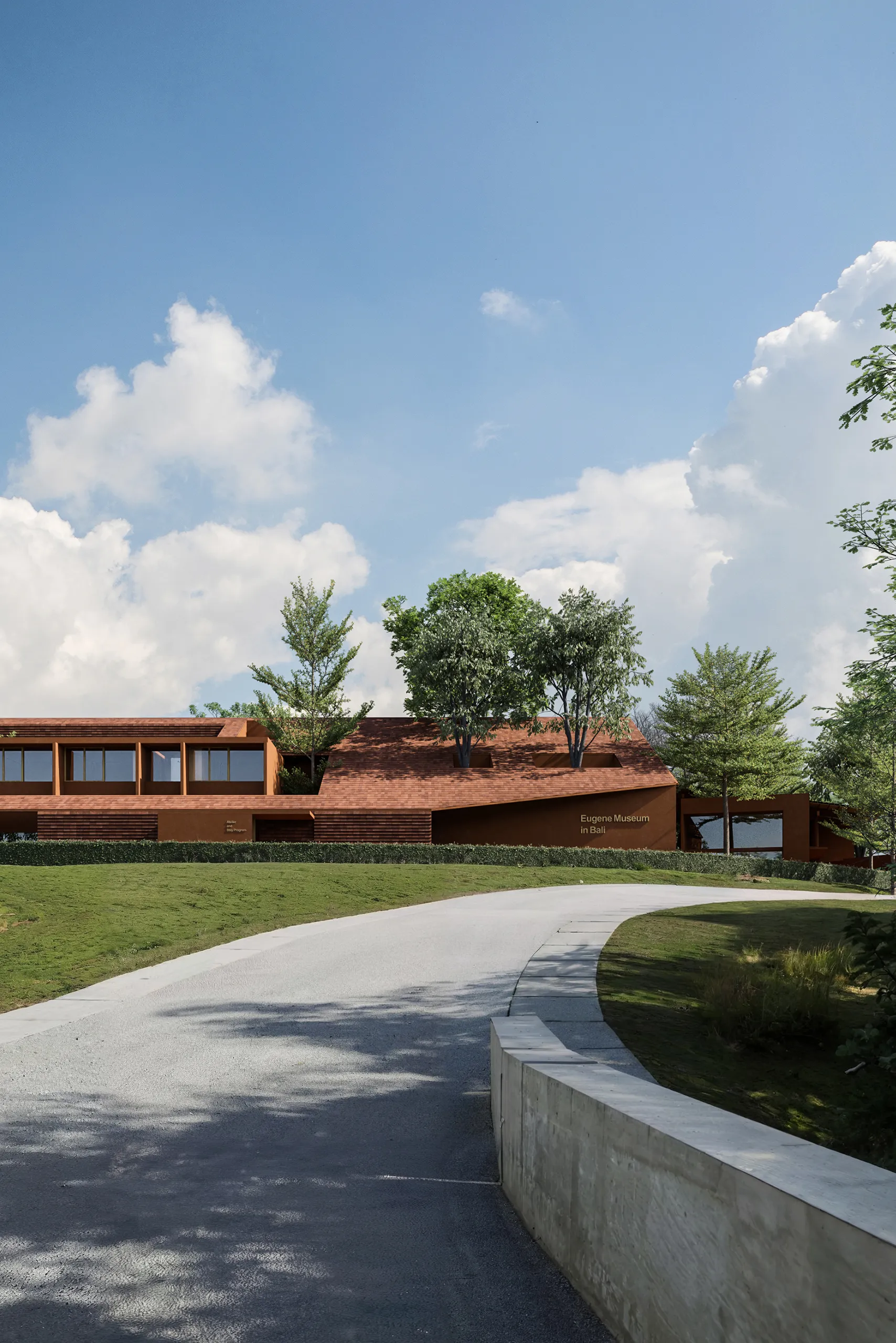
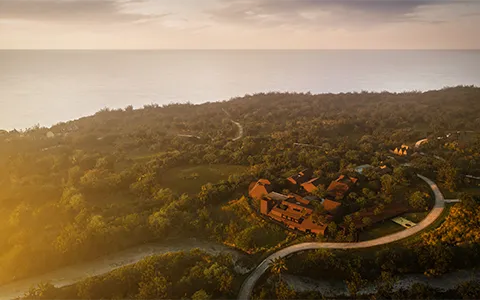
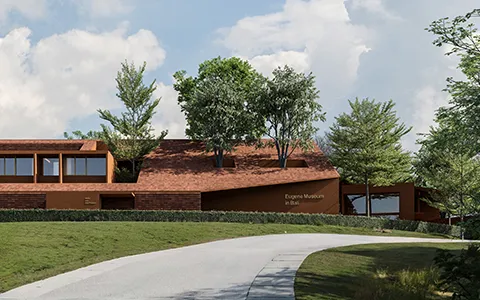
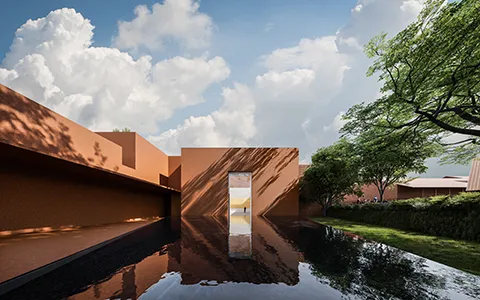
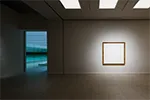
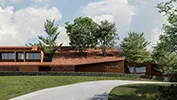
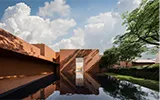
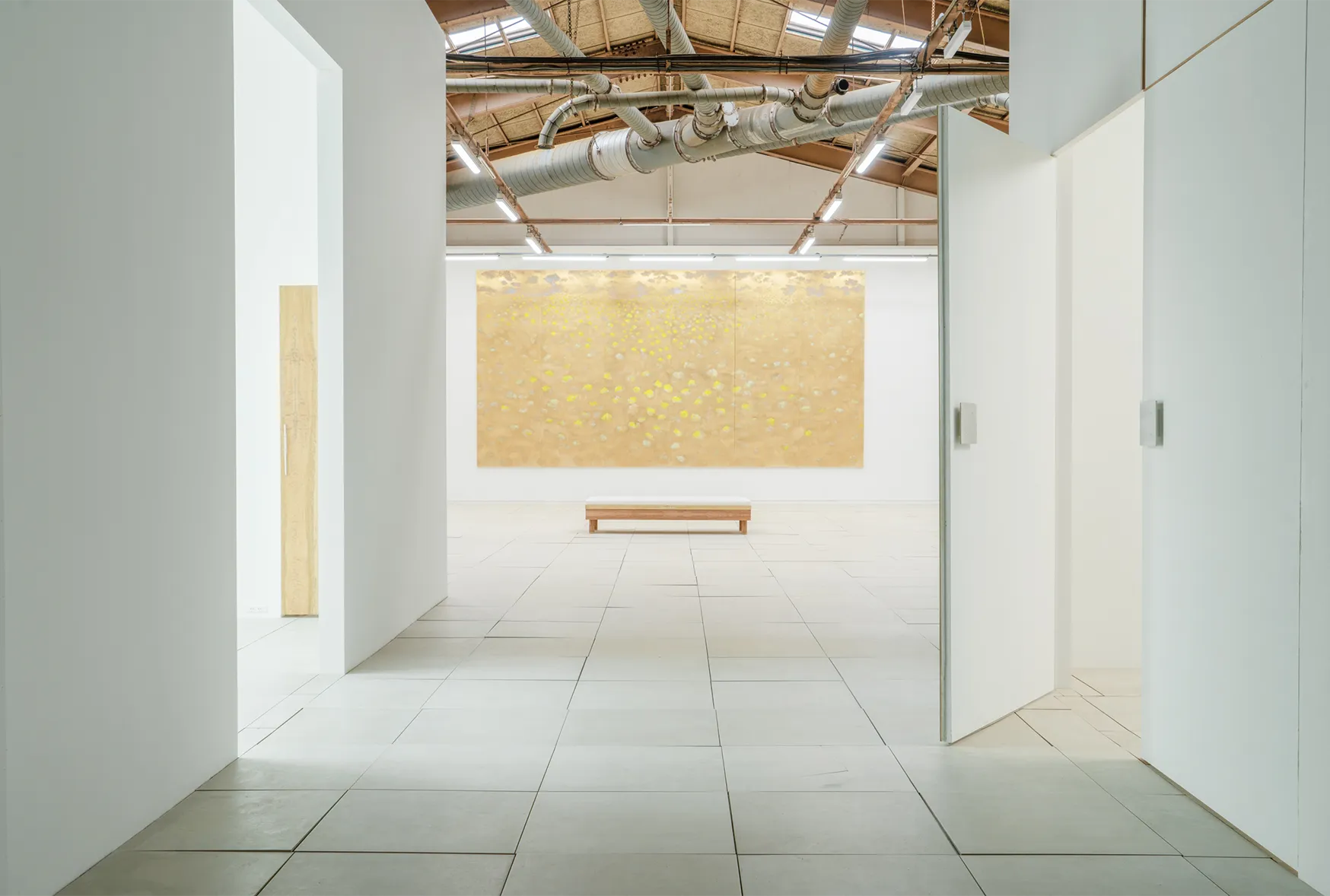
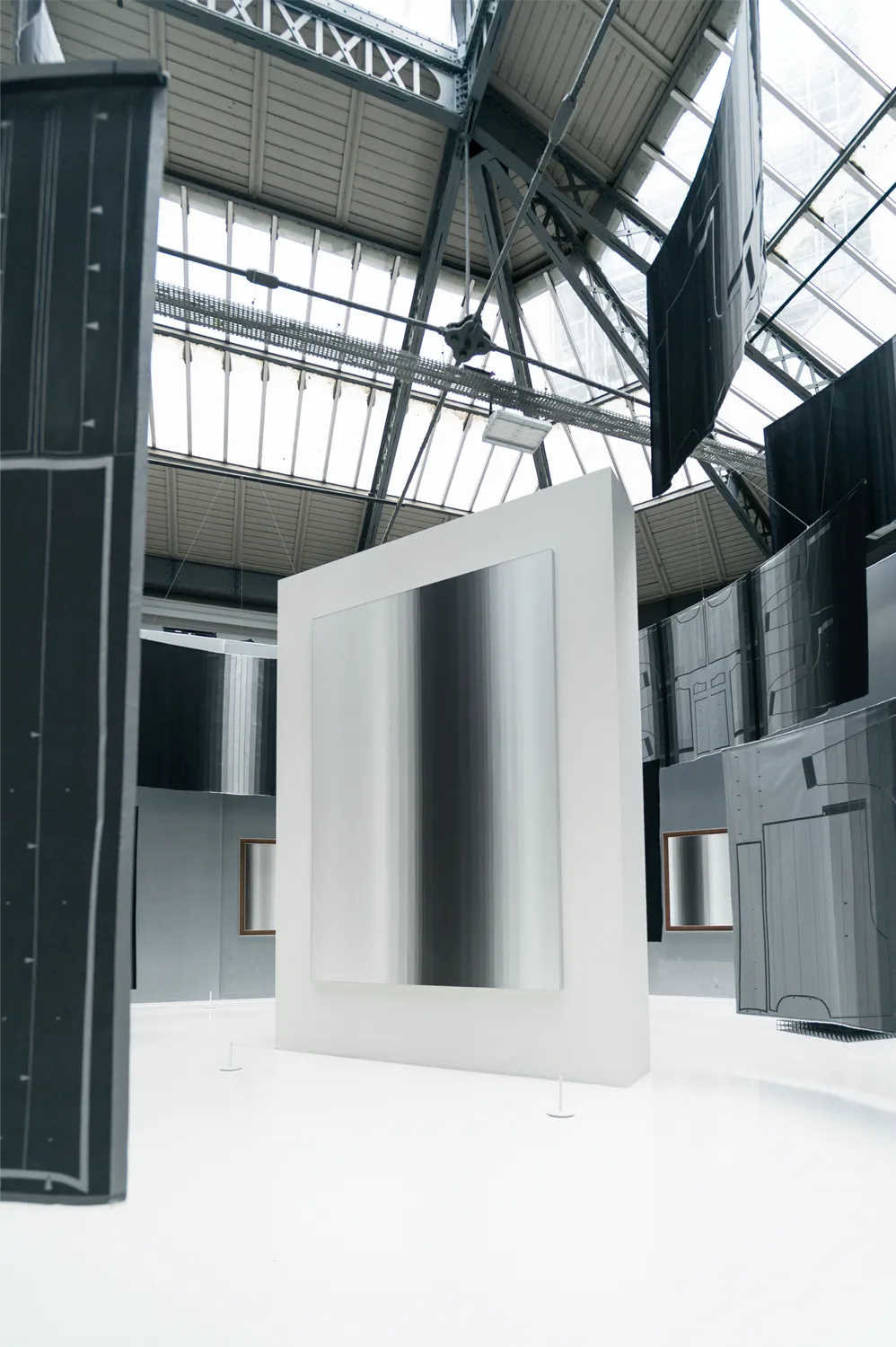
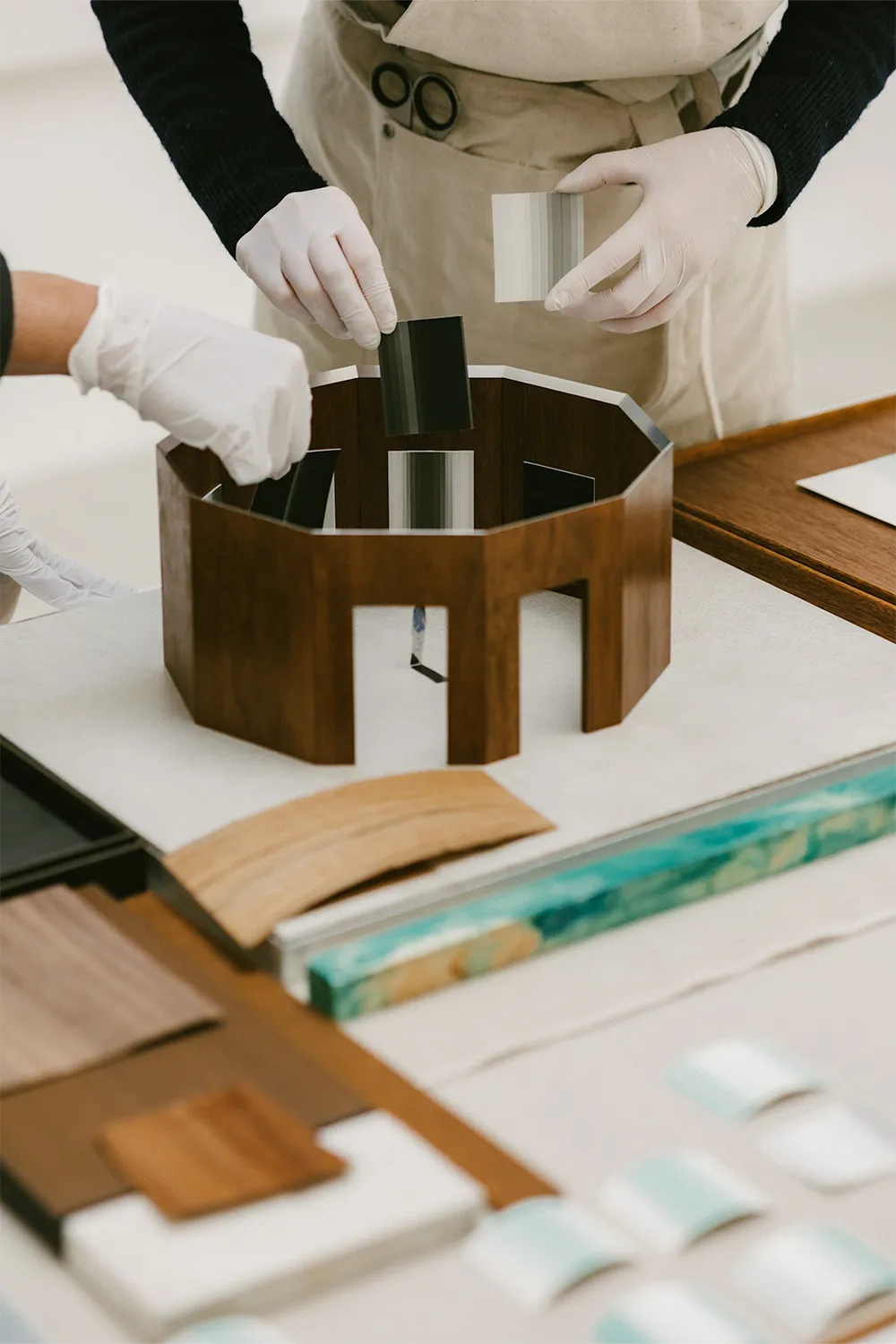
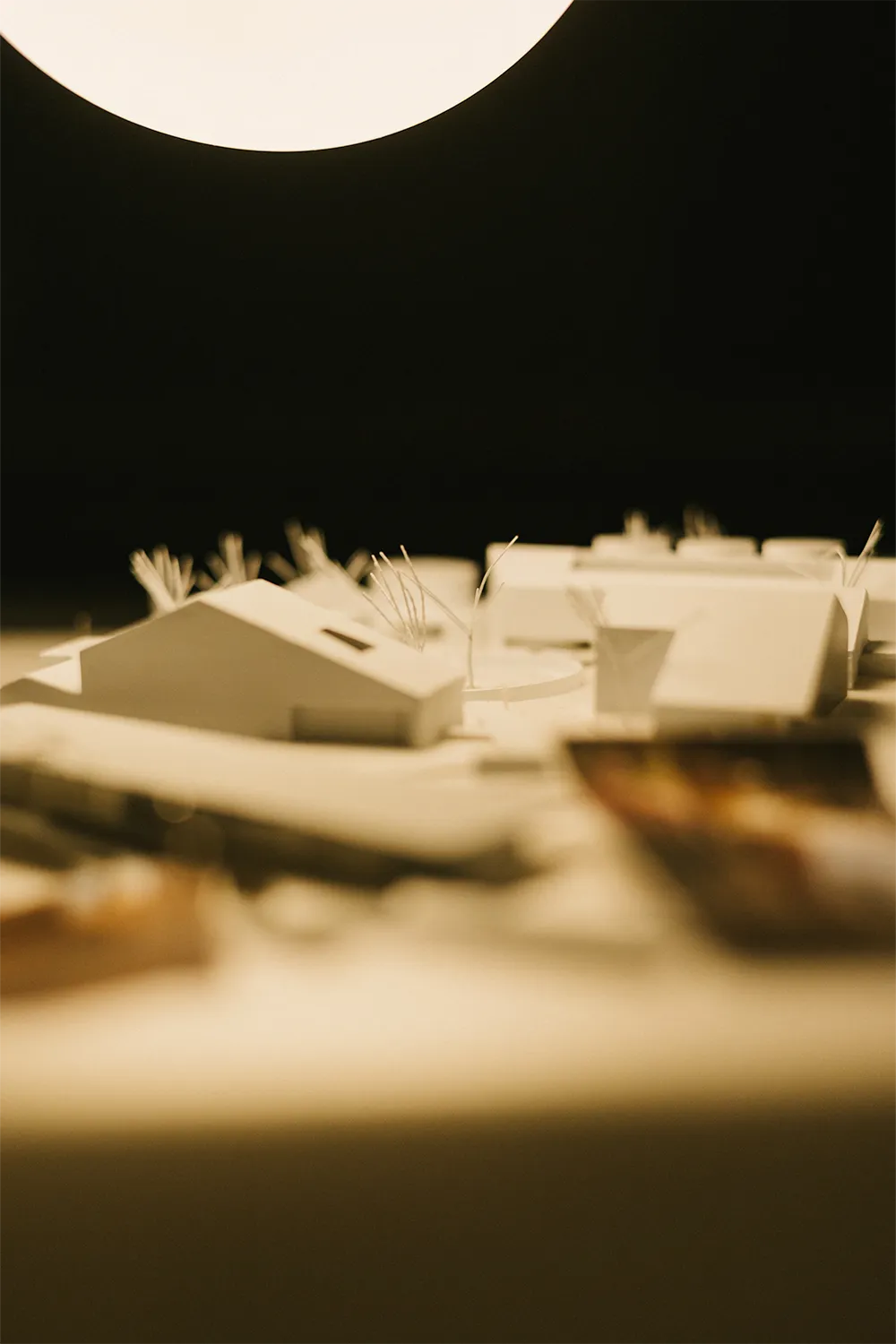
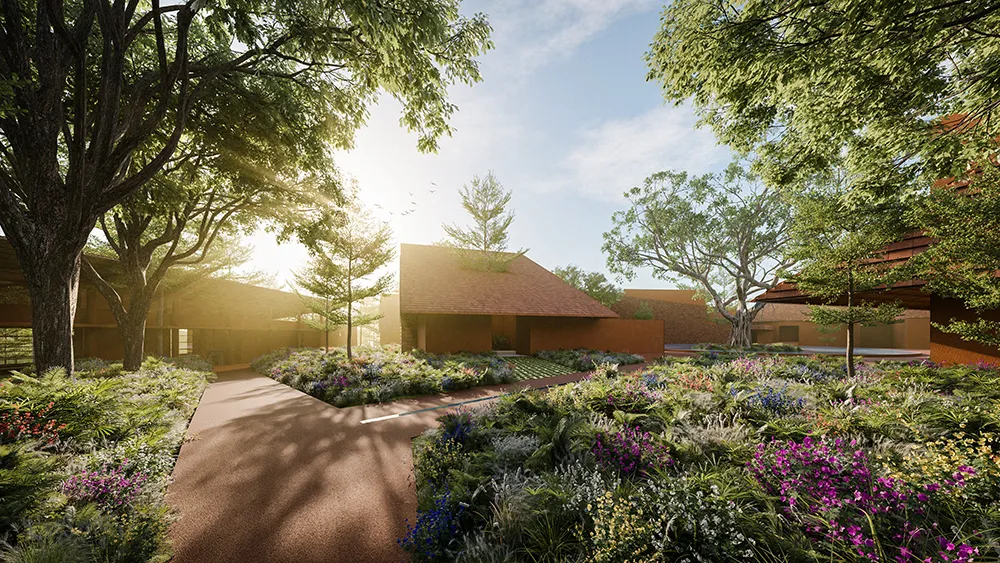
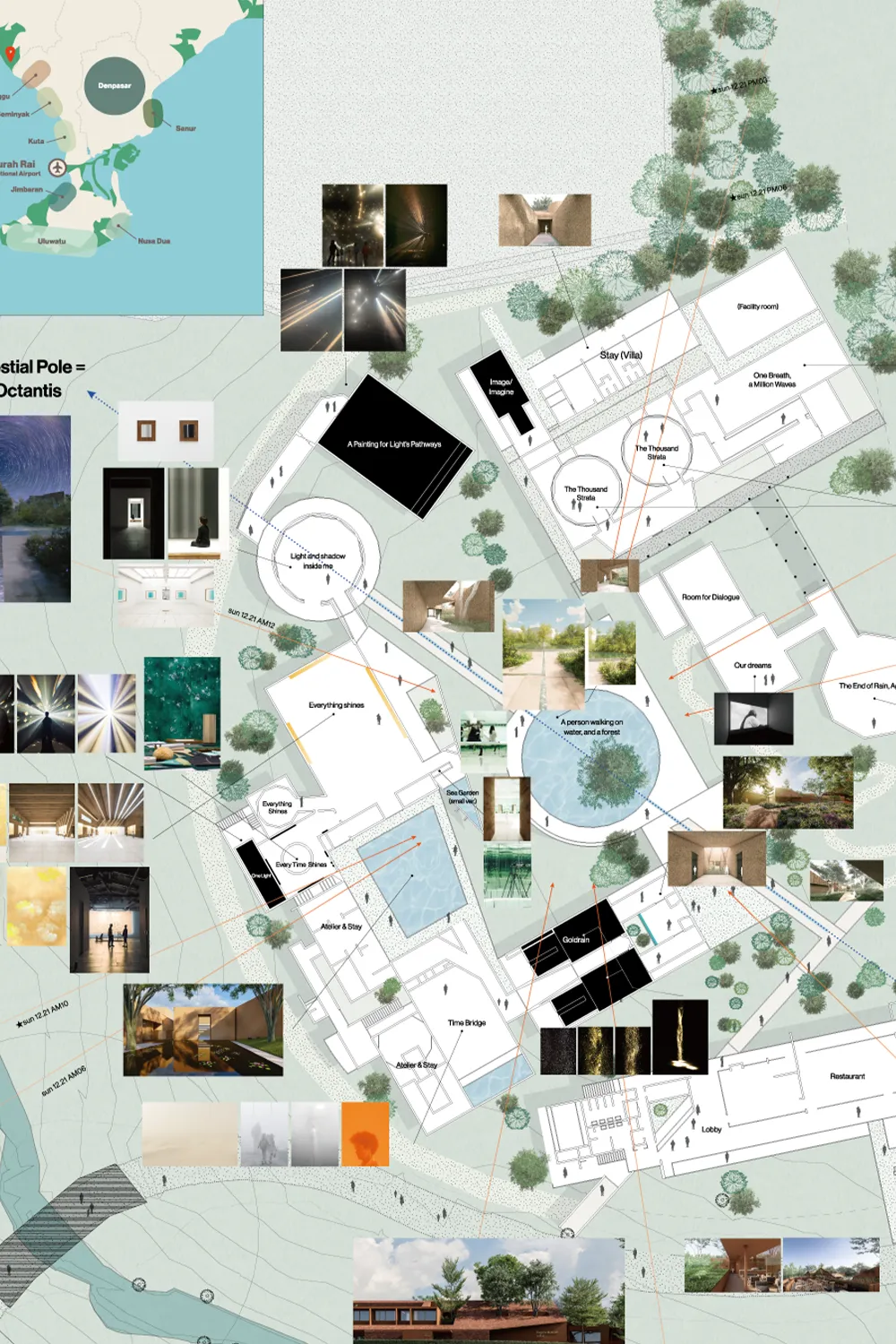
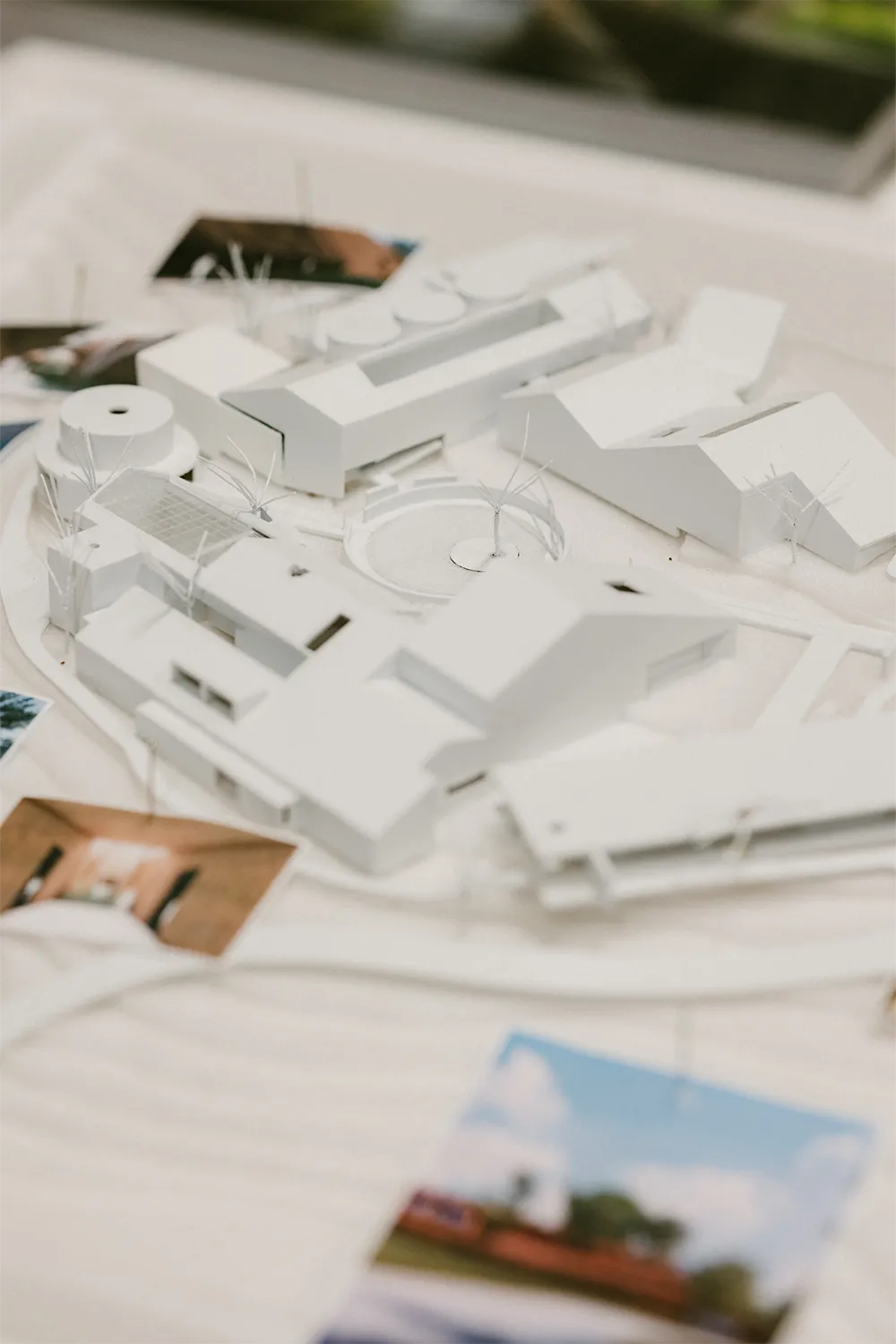
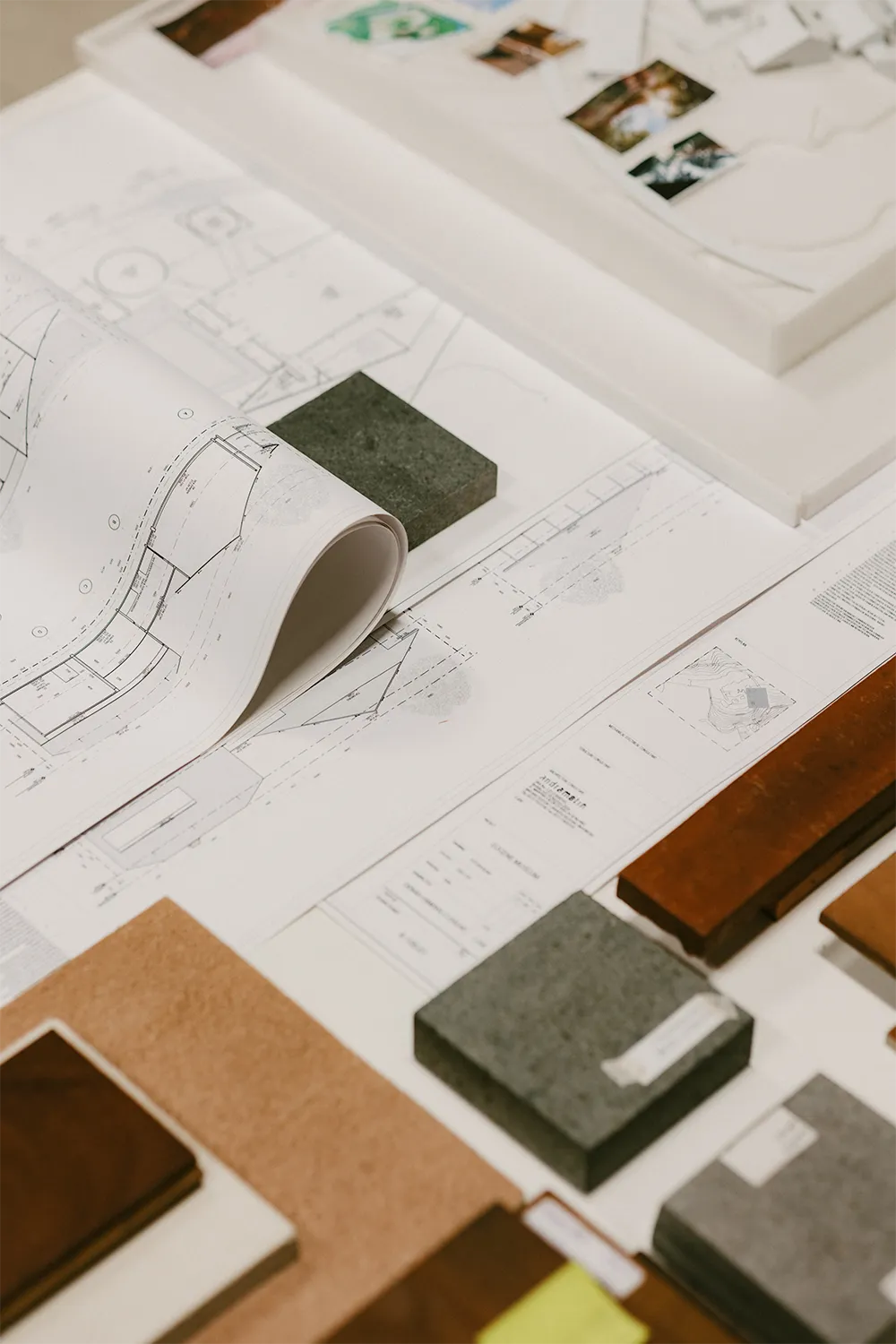
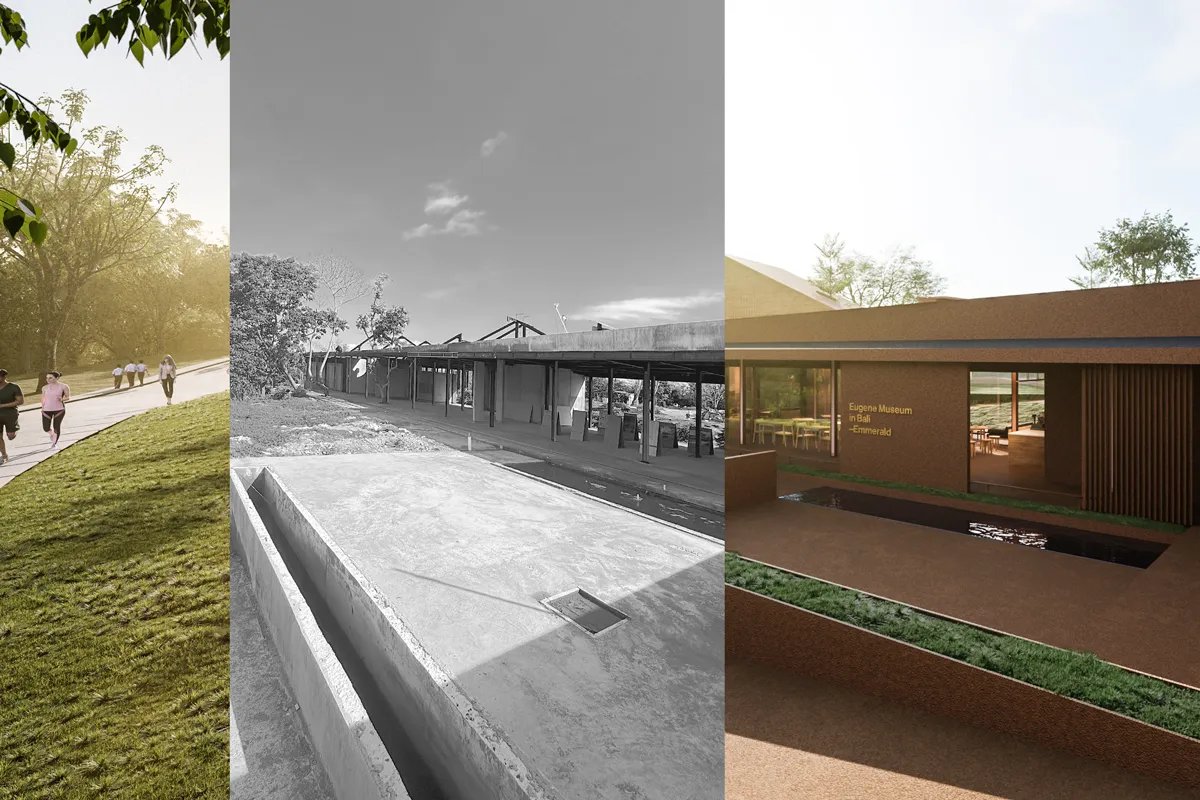
“The 3,000 sq metre Eugene Museum, designed by Andra Matin, will have more than 15 permanent works by contemporary artist Eugene Kangawa (born 1989). These range from paintings to immersive installations.
In 2021, Kangawa was the youngest artist to have a solo show at the Museum of Contemporary Art Tokyo, despite not having traditional gallery representation.”
Daisuke Miyatsu (Art Collector), The Age of Art × Technology, Kodansha Shinsho, 2017
Chapter 4: “Eugene Kangawa and THE EUGENE Studio”
“Now, art pieces created by team lab, takram, Rhizomatiks, and The Eugene attract worldwide attention. These next-gen companies ask the public a new sense of value by integrating Japanese unique concept and advanced technology. ”
Daisuke Miyatsu
Art collector and critic. President of Yokohama University of Art and Design; member of the Art Basel Global Patrons Council; board member of the Mori Art Museum; formerly Visiting Professor at Kyoto University of Art and Design. Since 1994 he has continued to collect artworks while working in the corporate sector, and even built his private residence in collaboration with artists—activities that have been widely profiled both in Japan and abroad.Born in Tokyo in 1963.
designboom (Italy, Web)
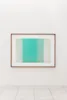
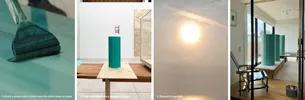
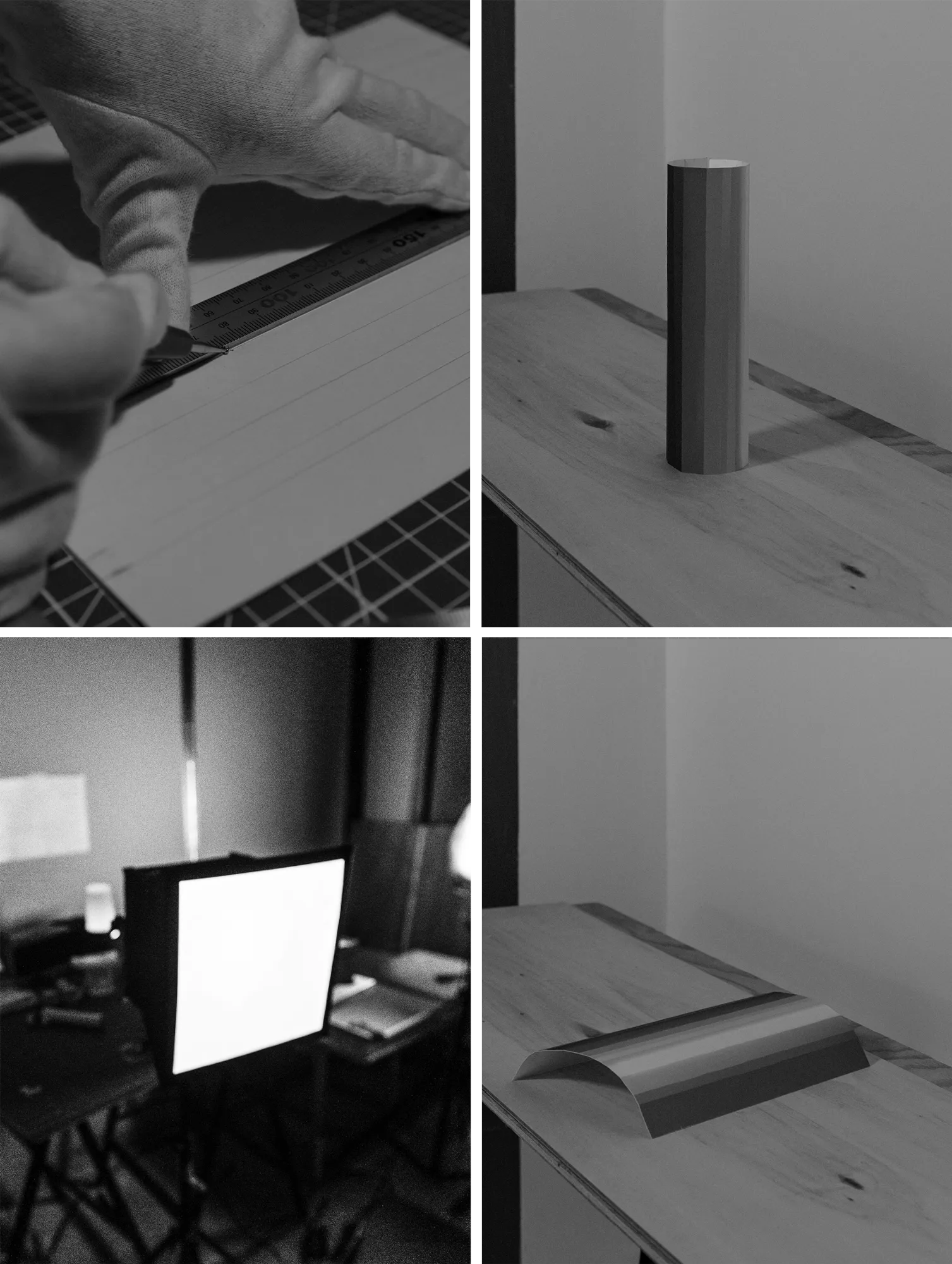
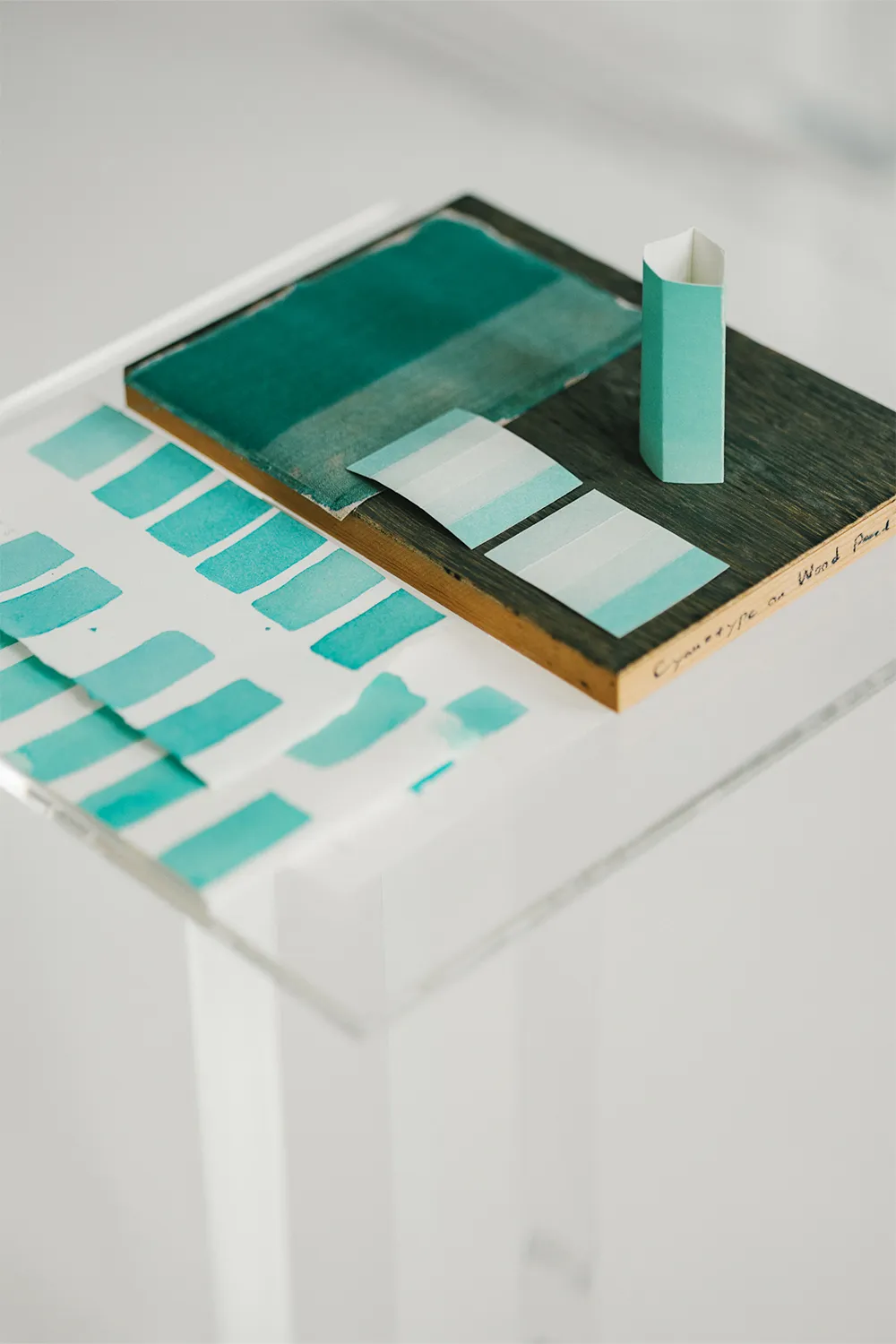
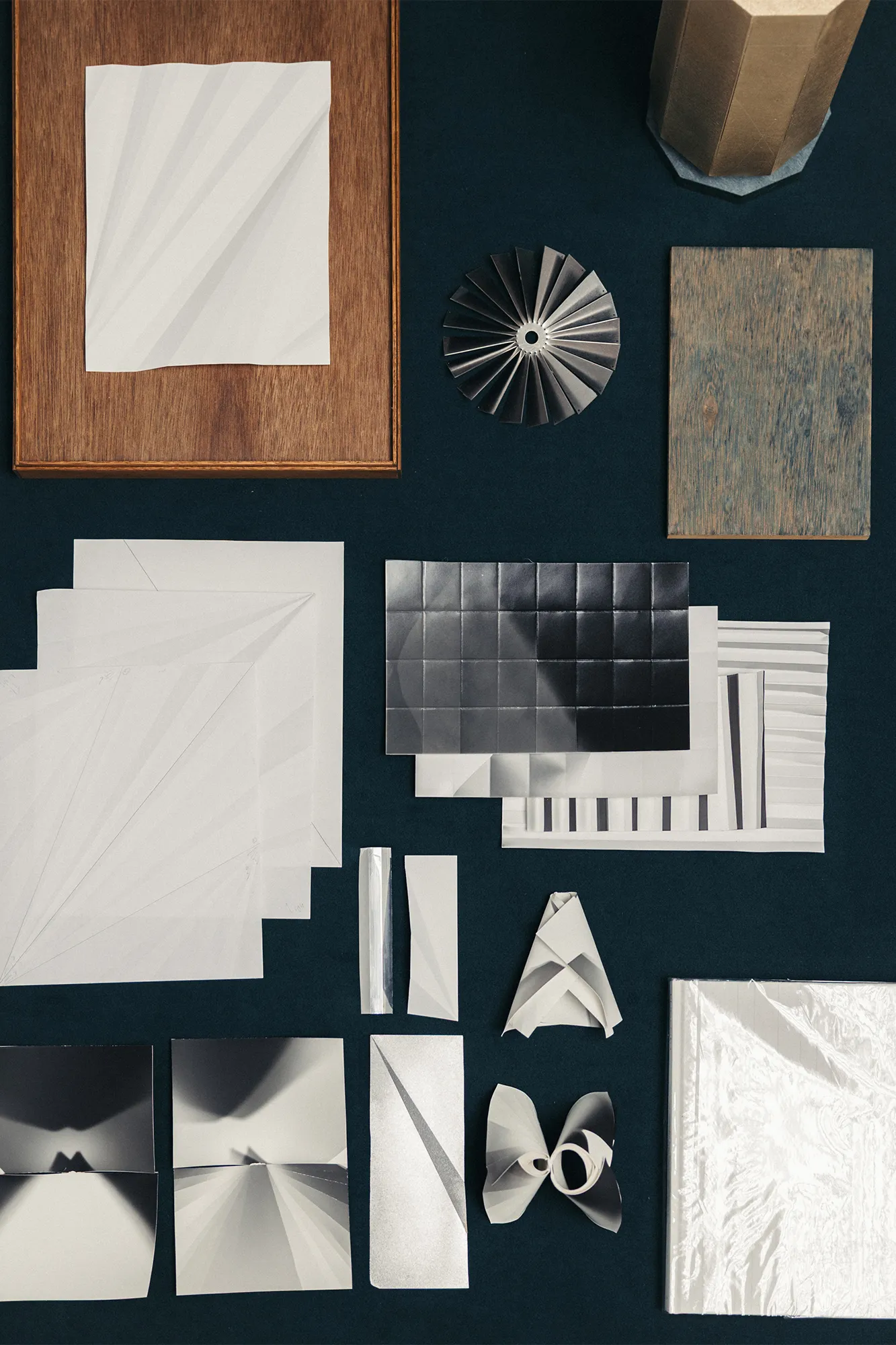
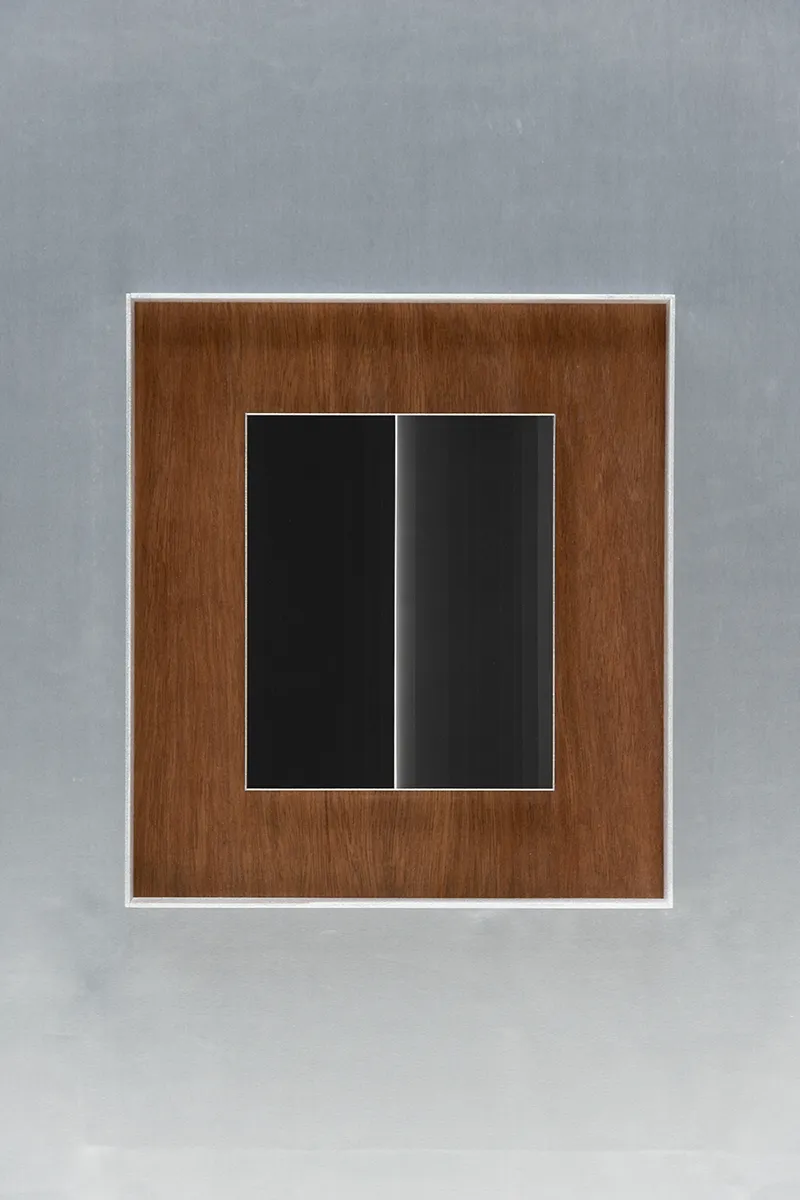
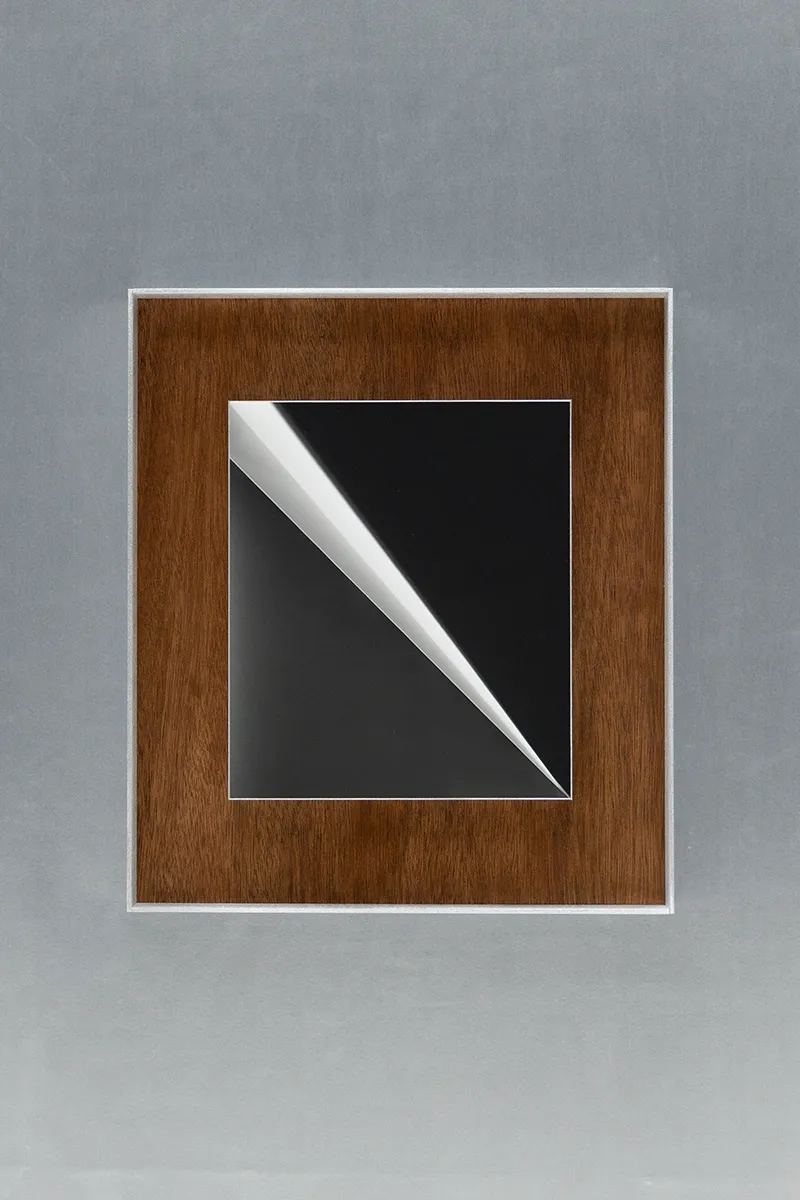
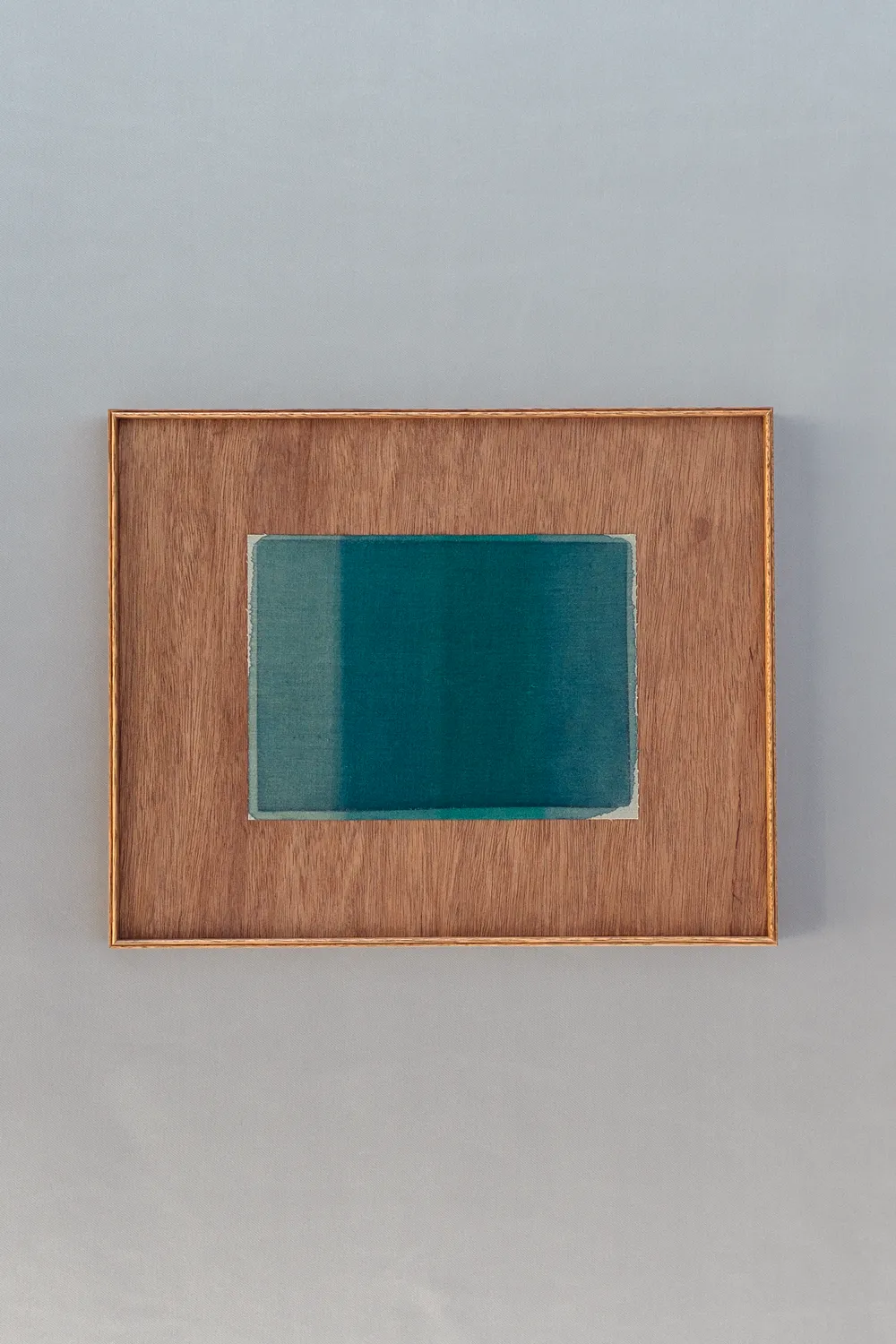
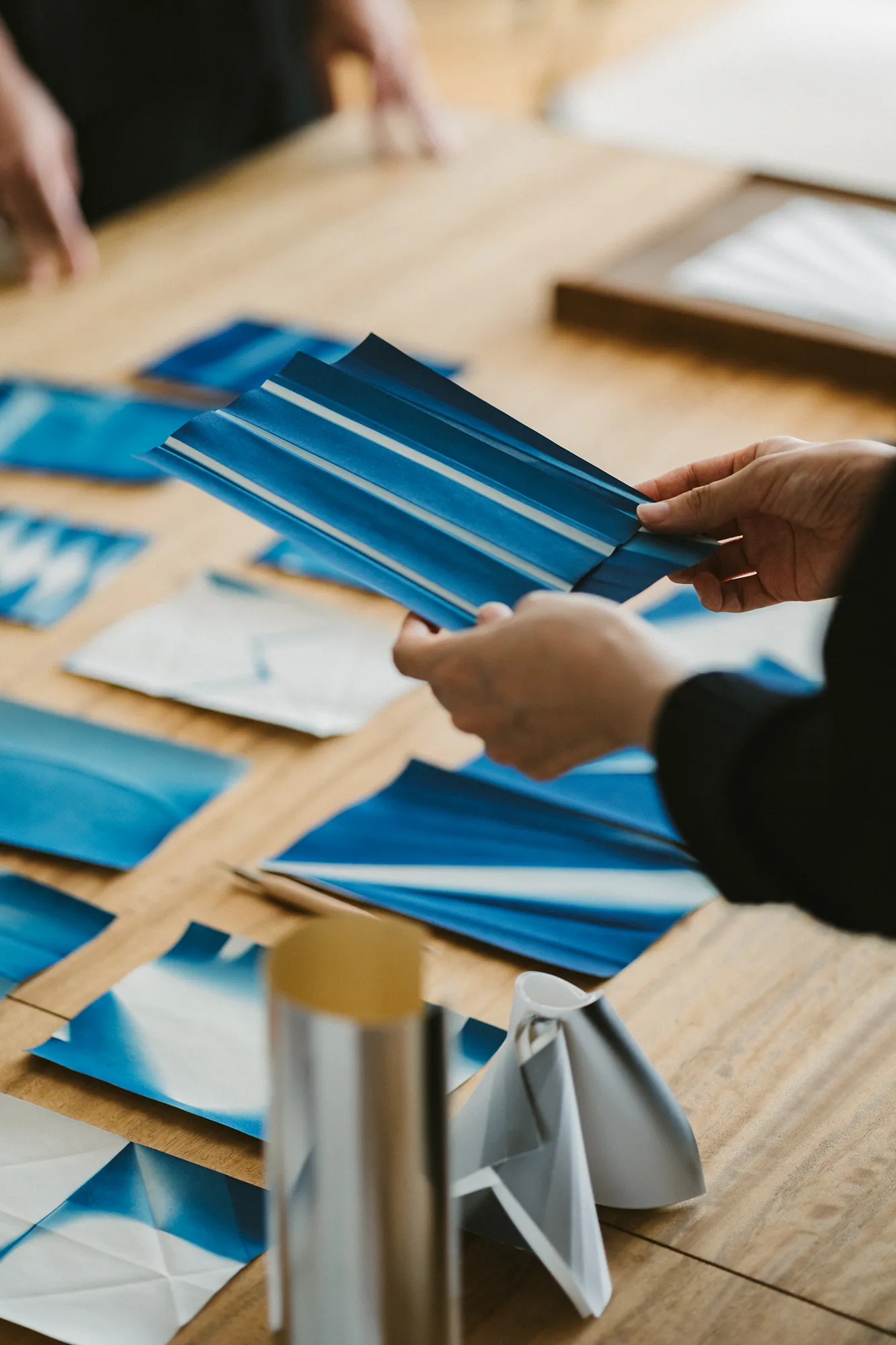
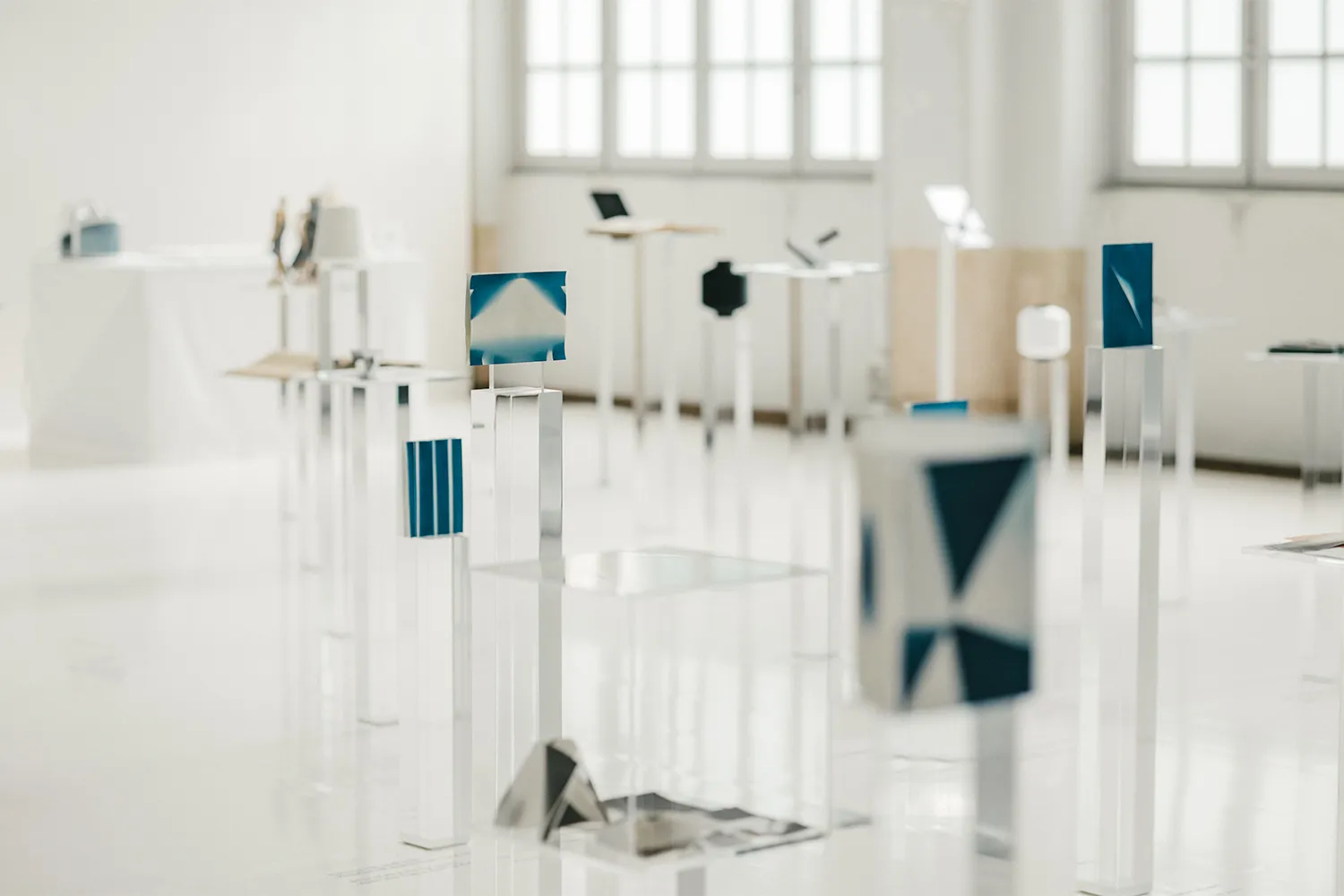
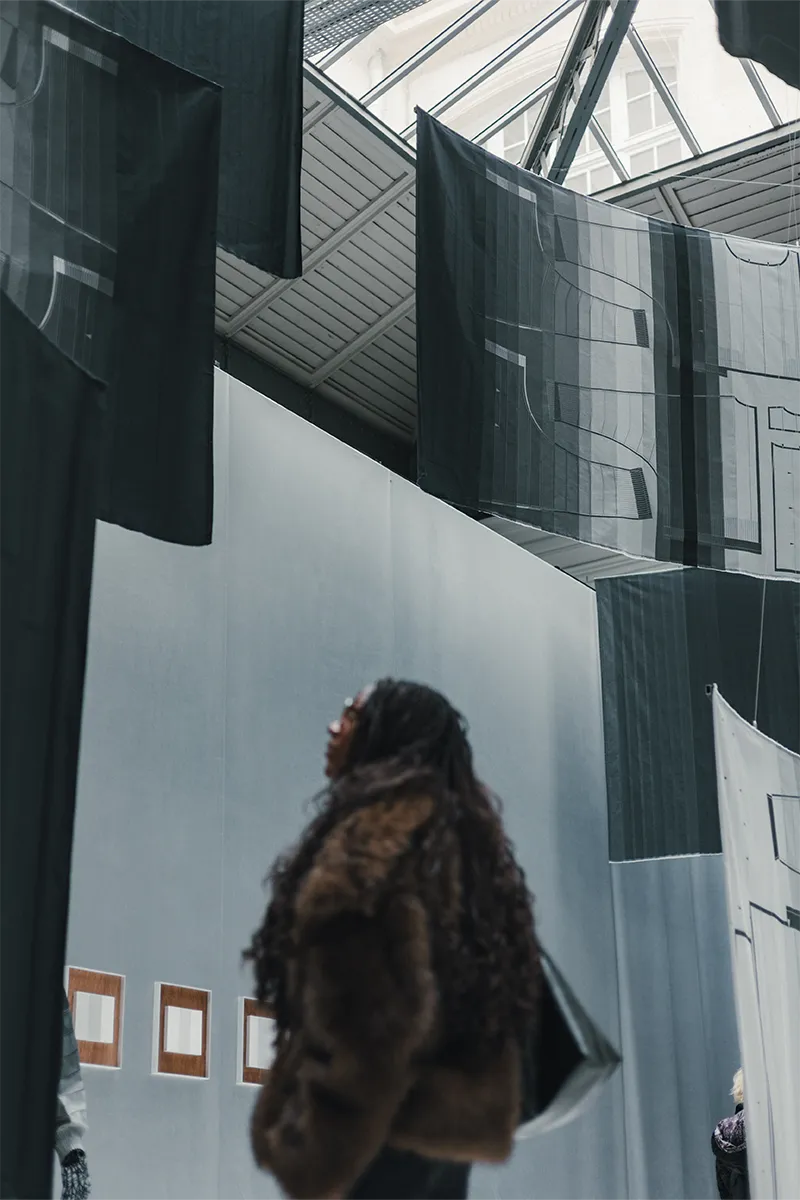
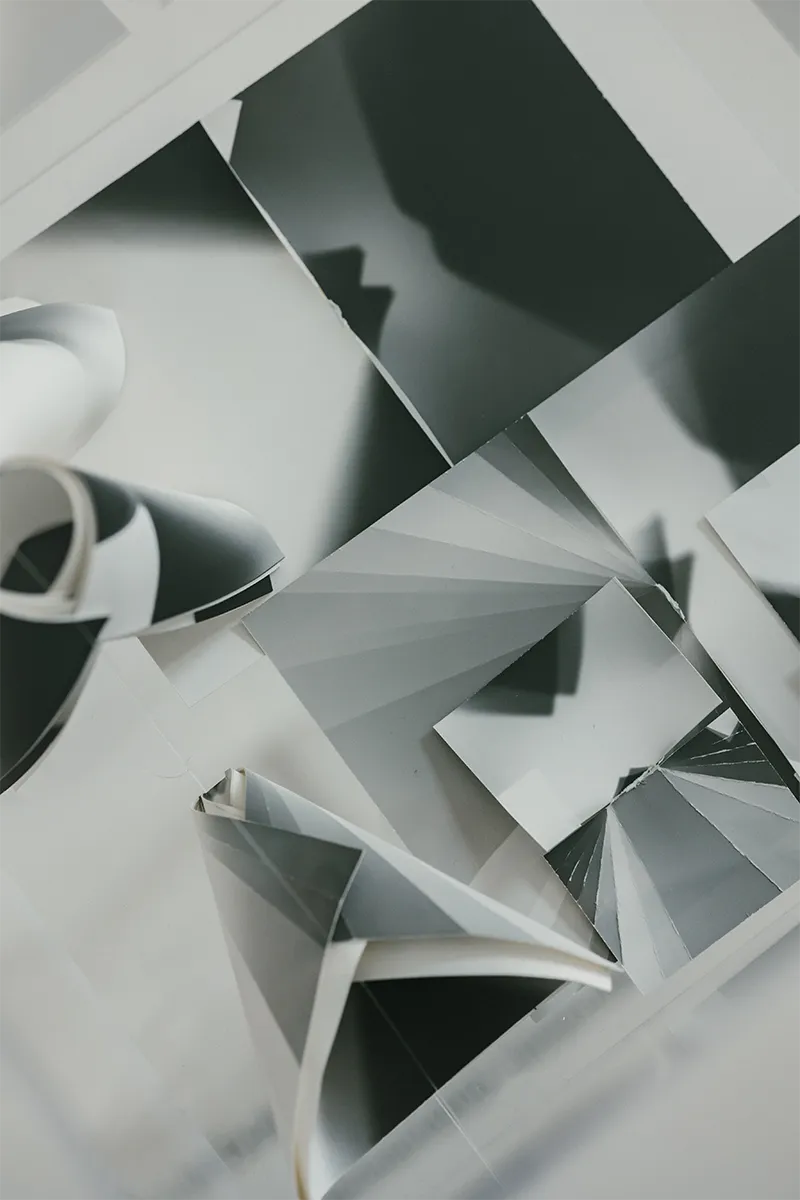
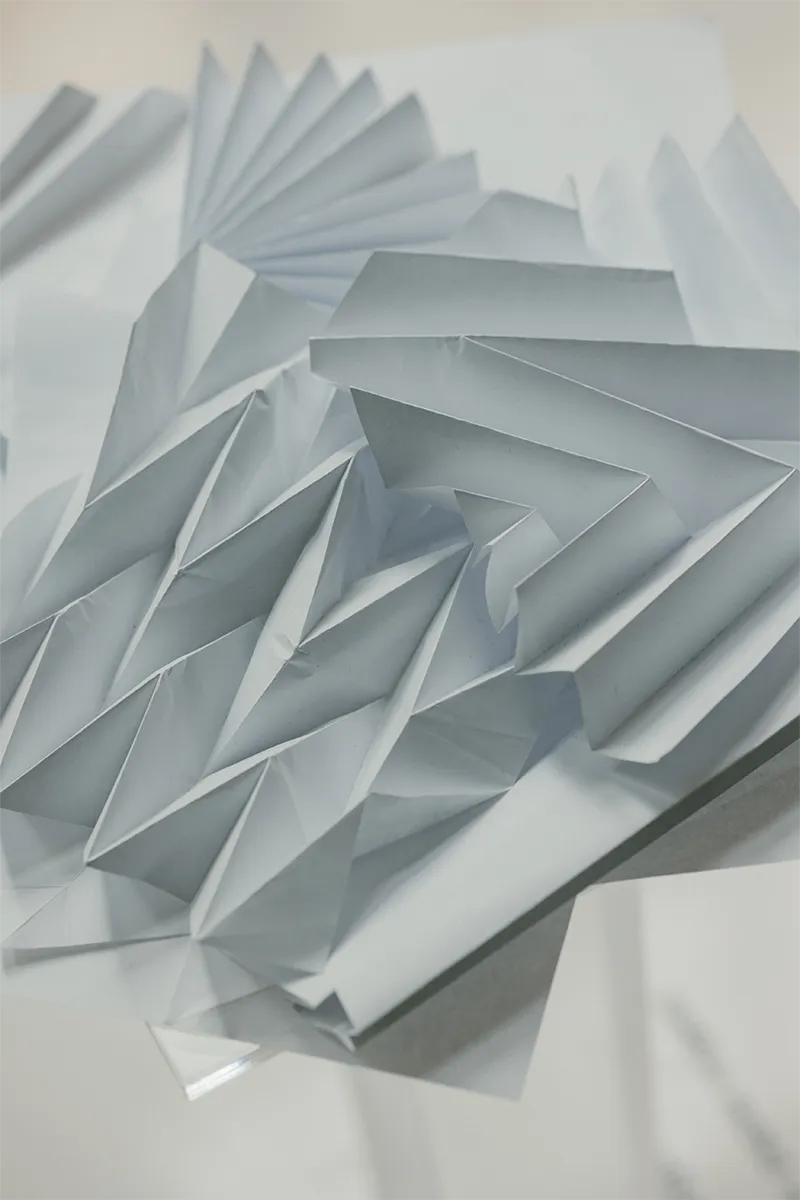
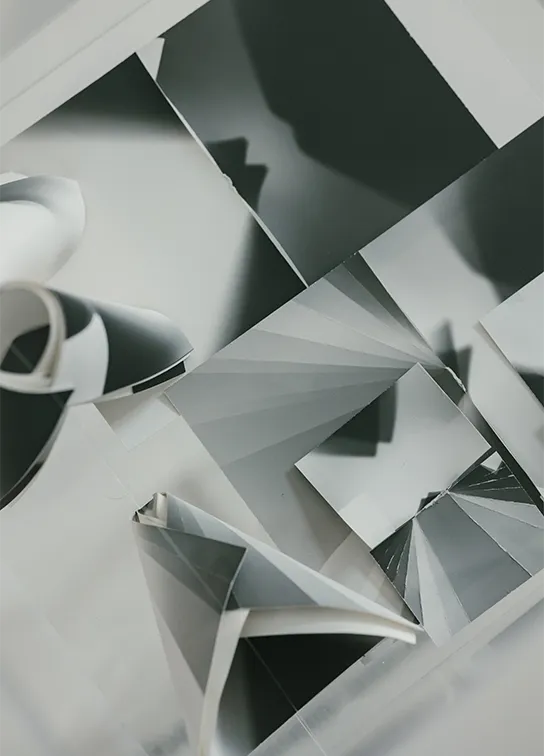
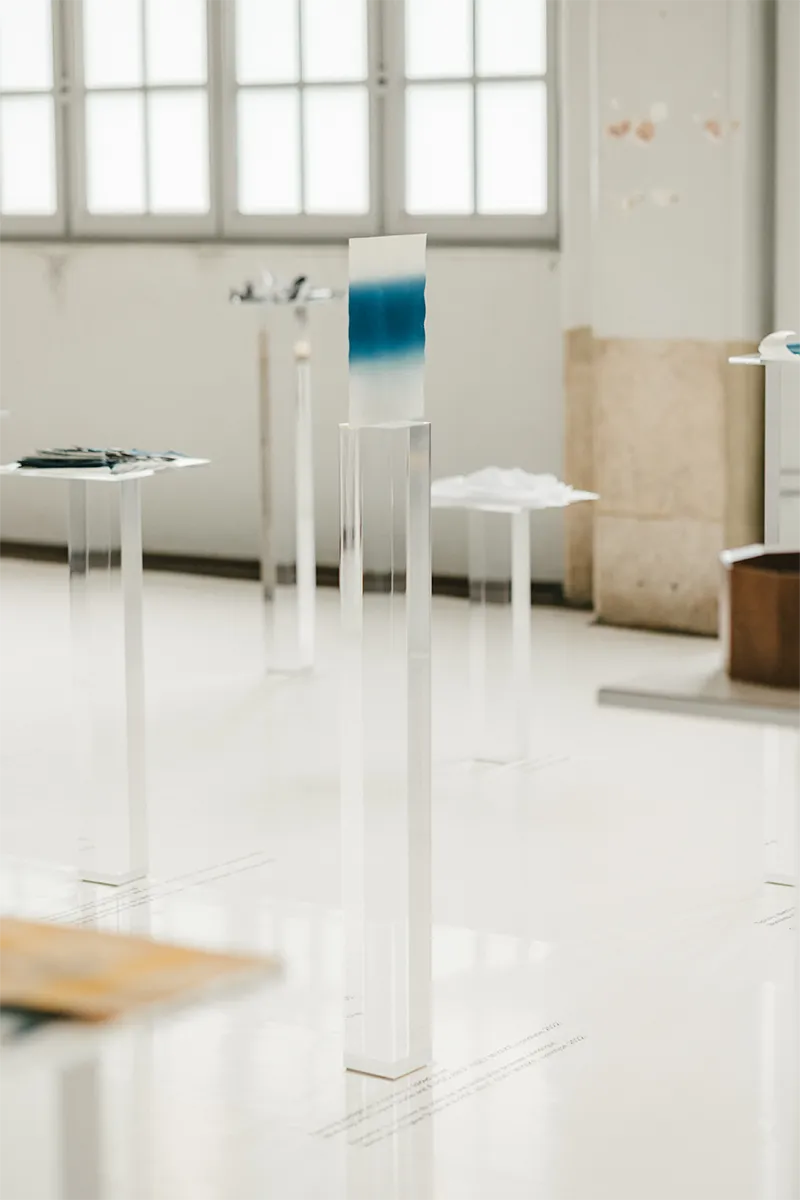
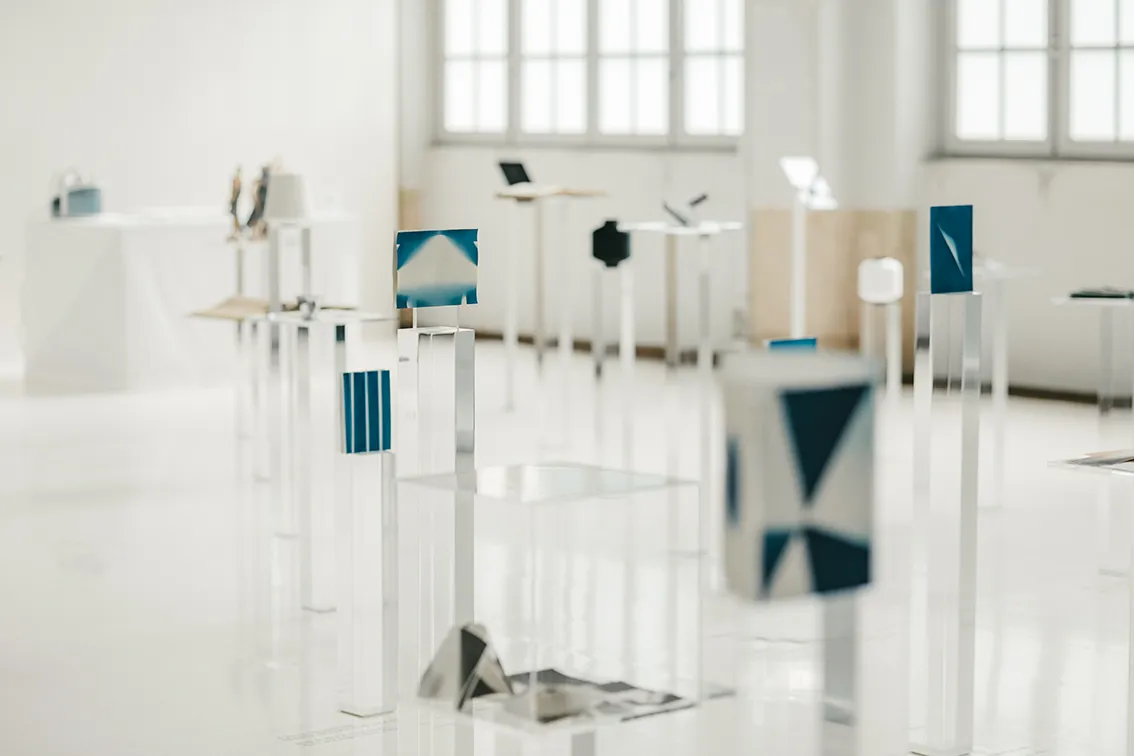
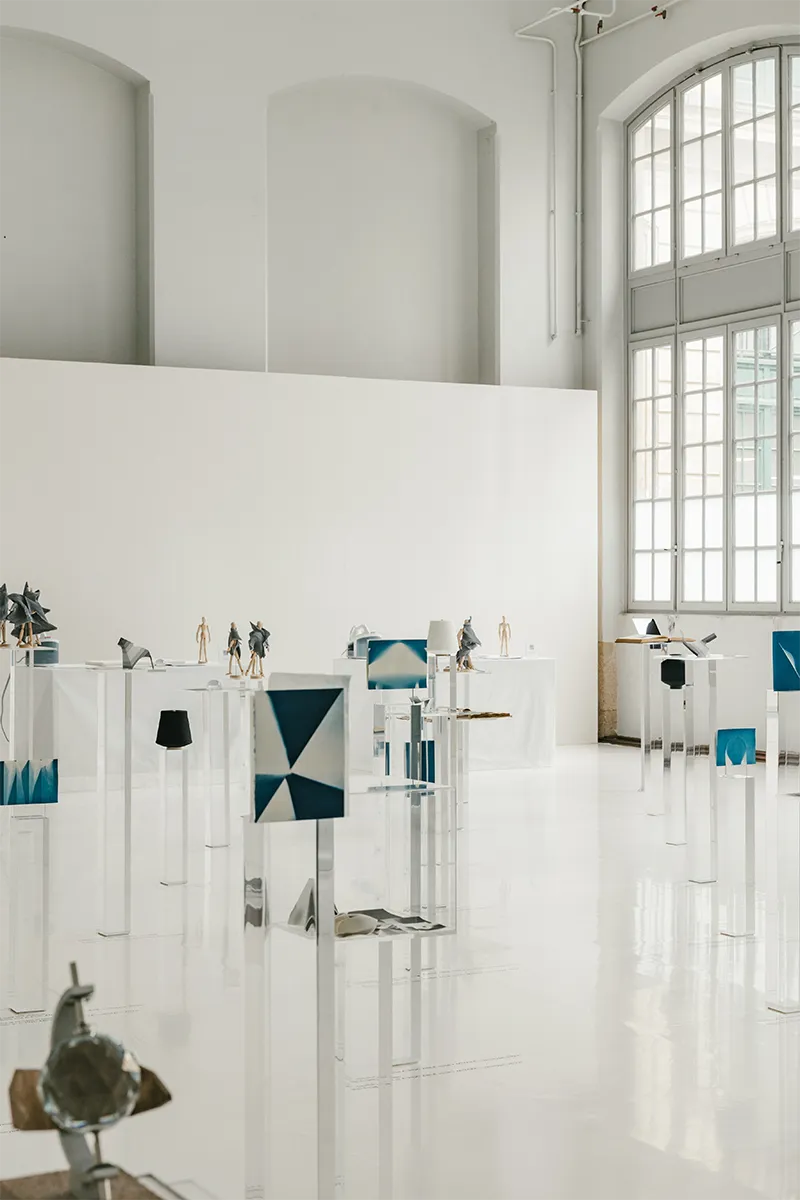
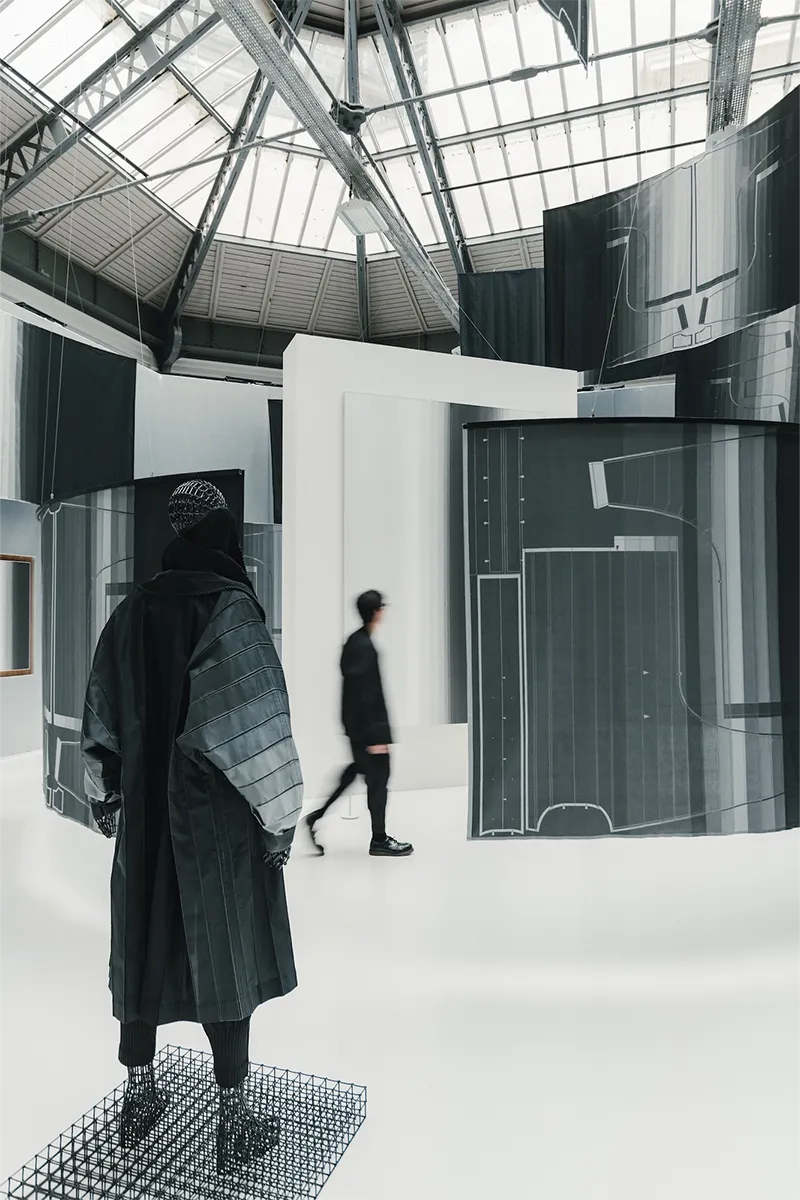
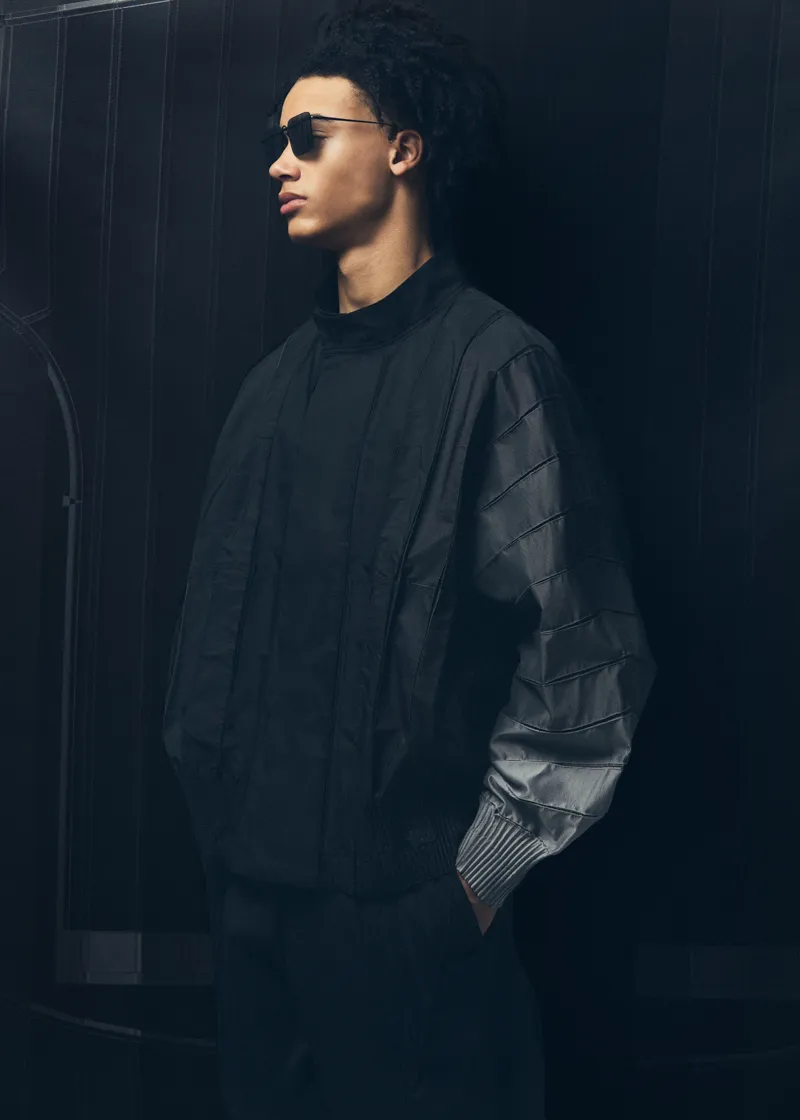
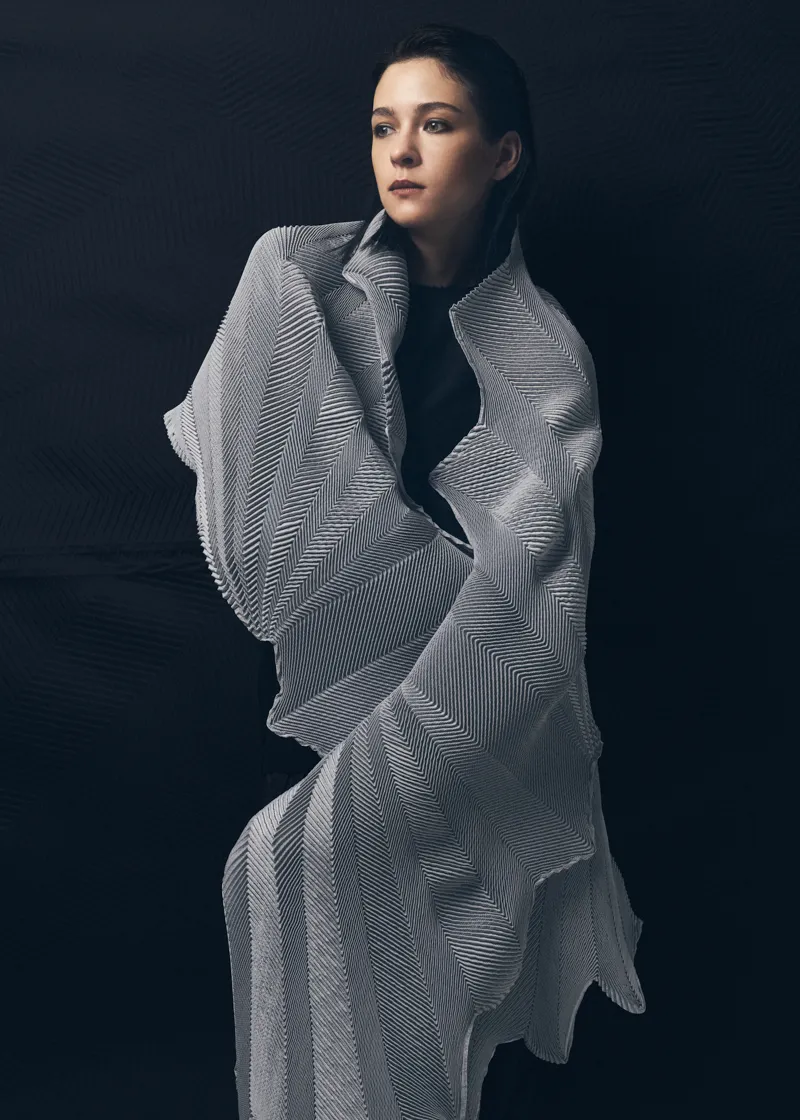
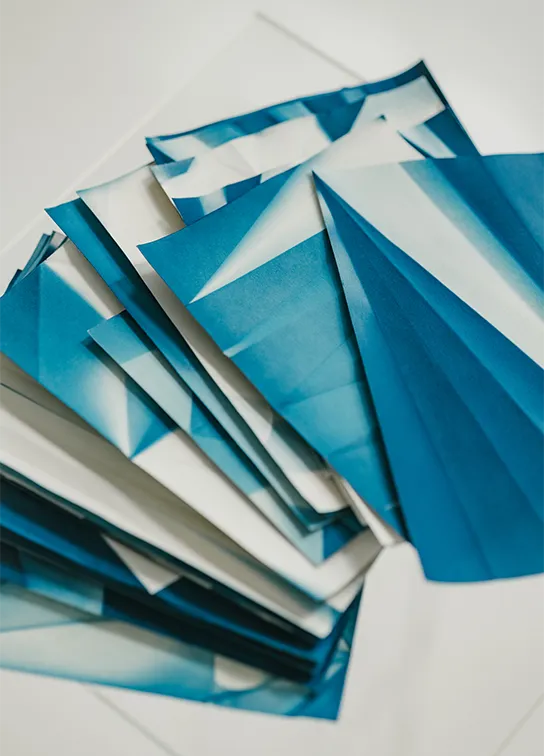
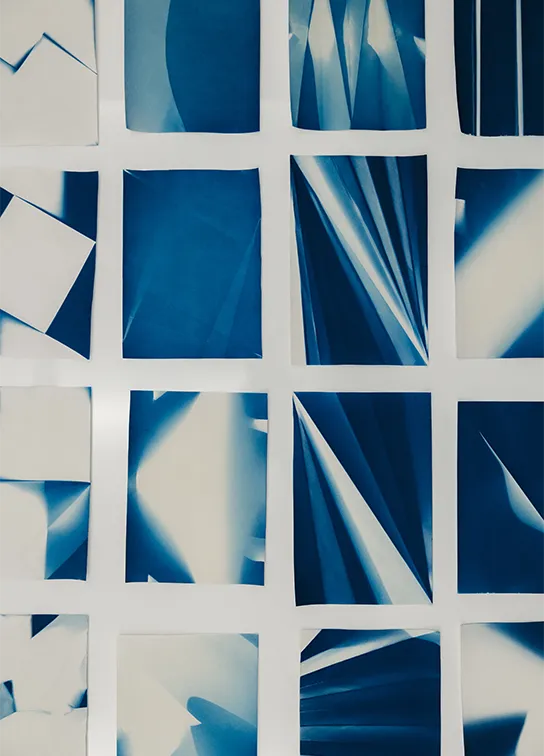
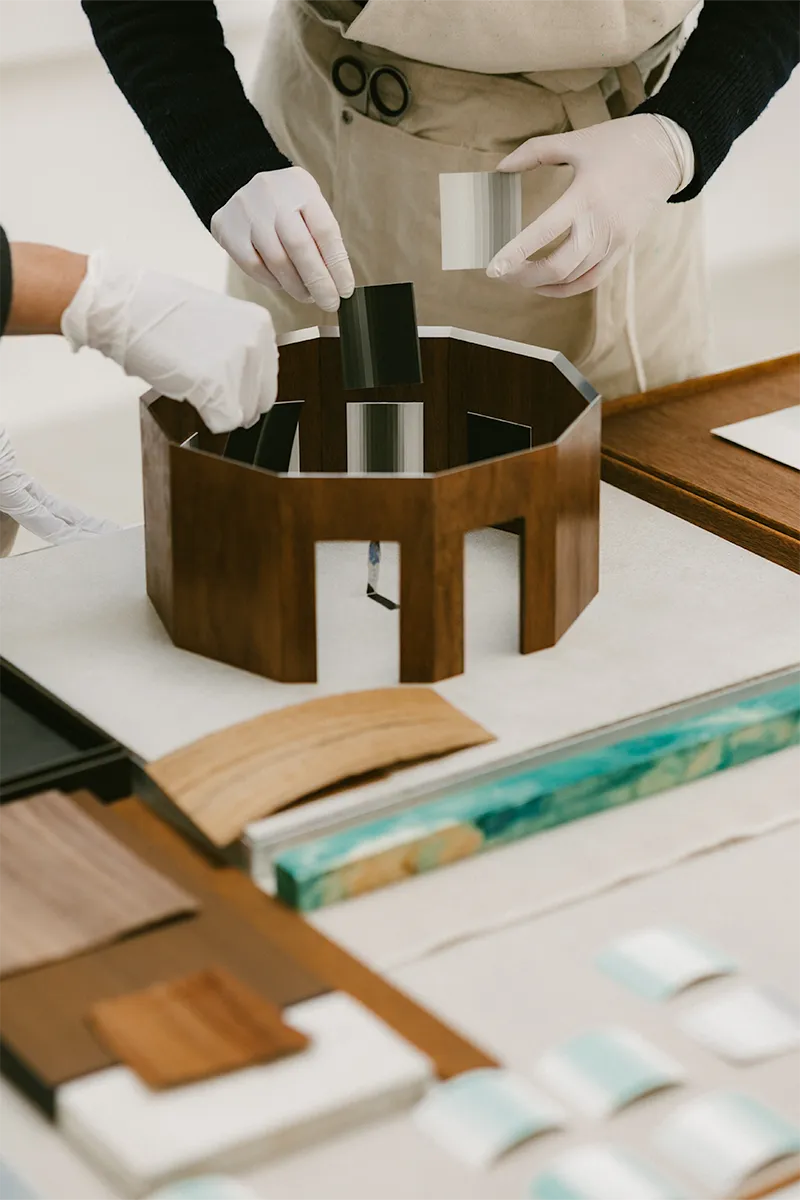
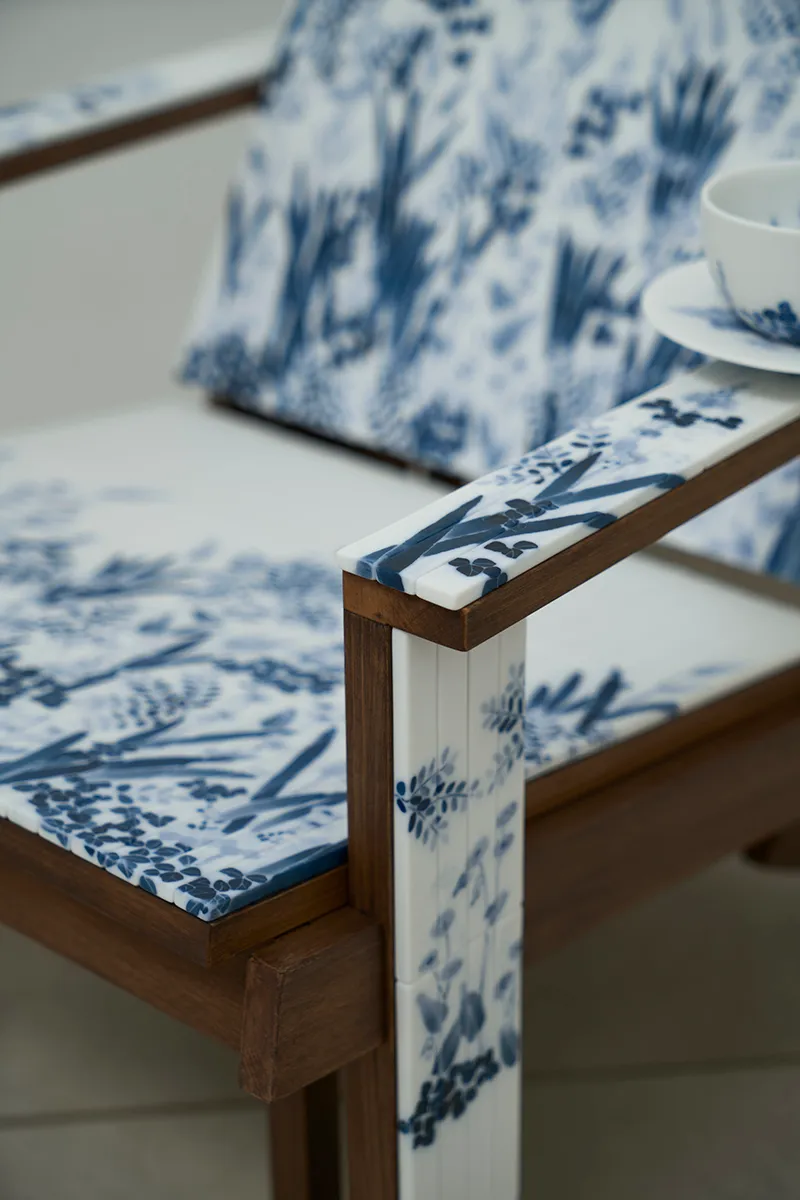
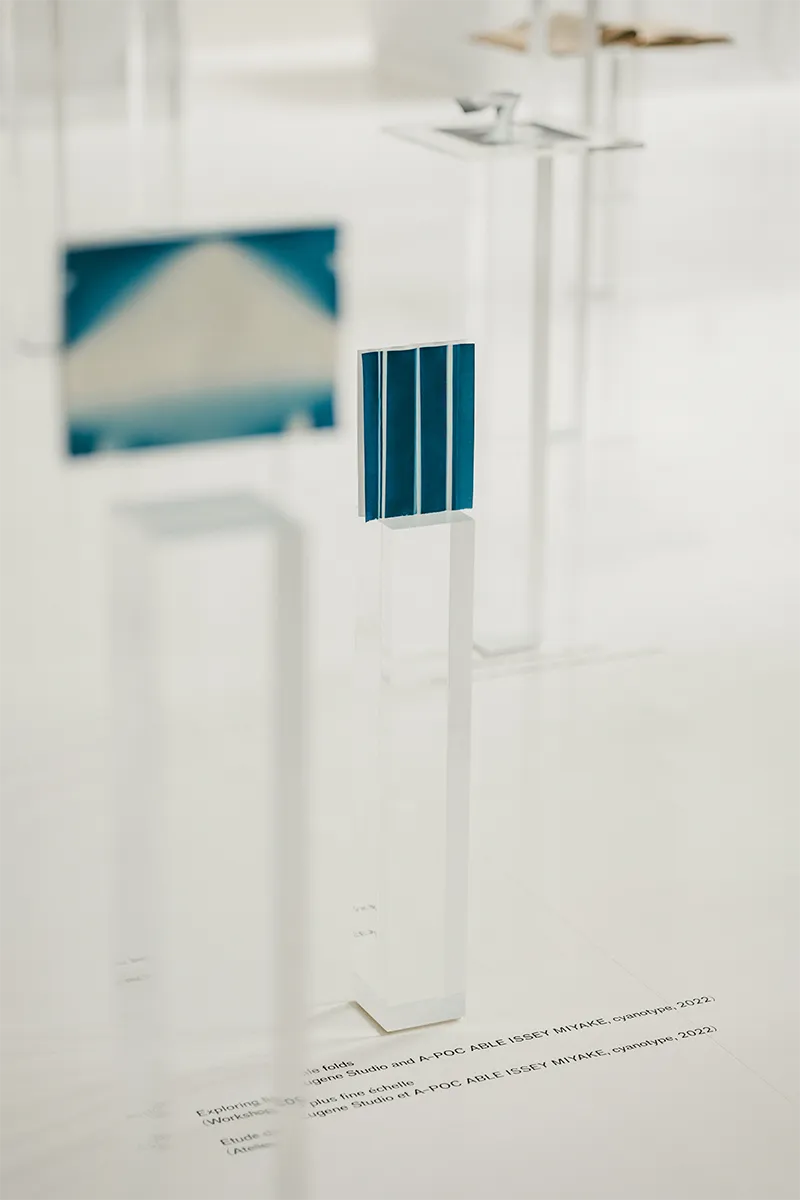
weaving light: eugene kangawa and A-POC ABLE ISSEY MIYAKE turn photograms into fabric
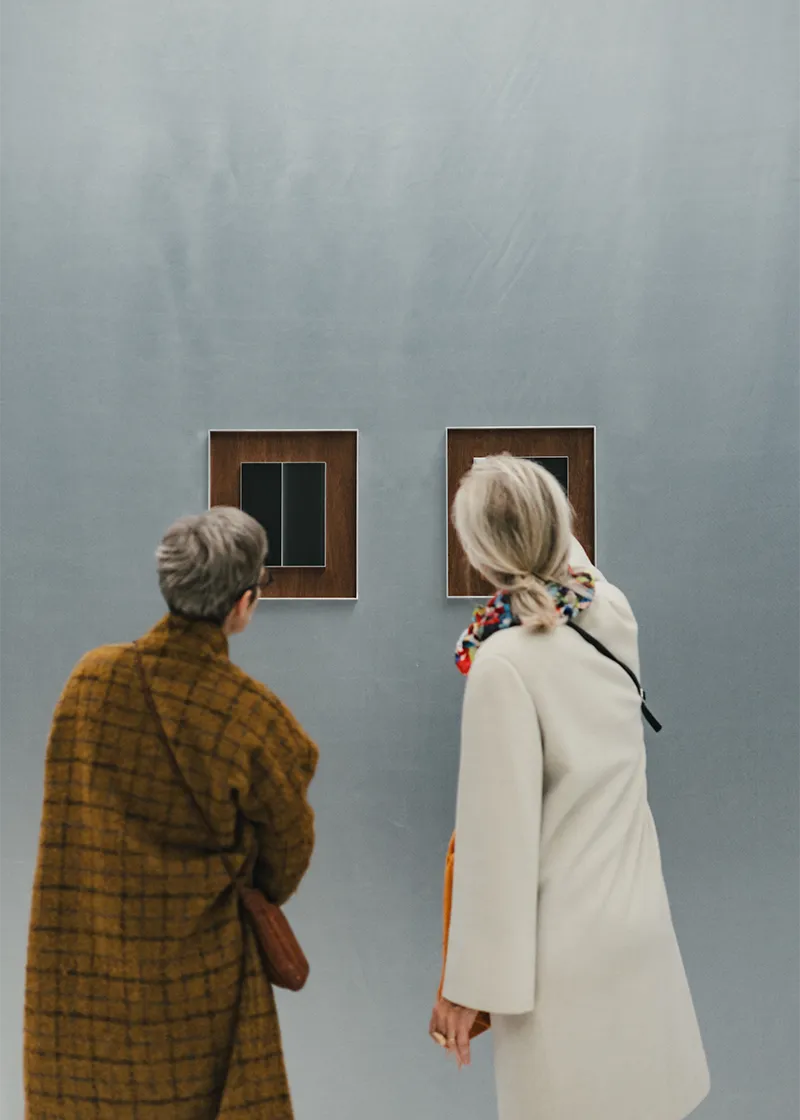
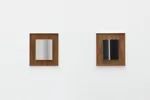
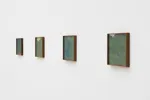
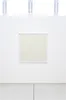
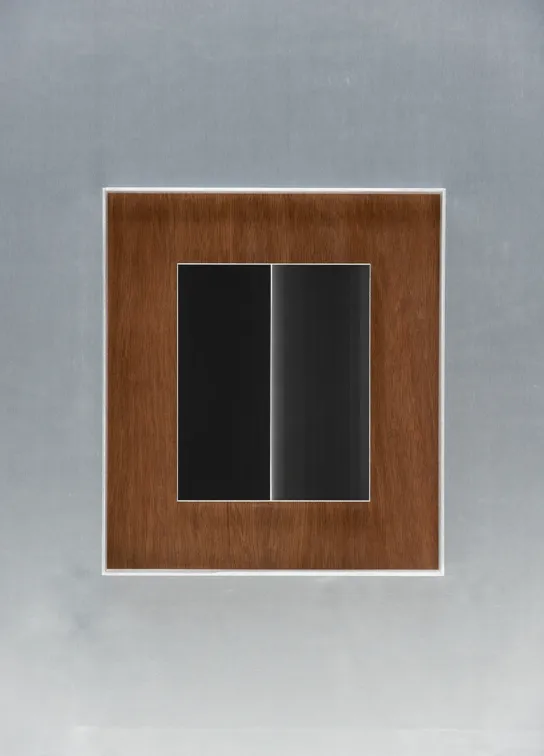
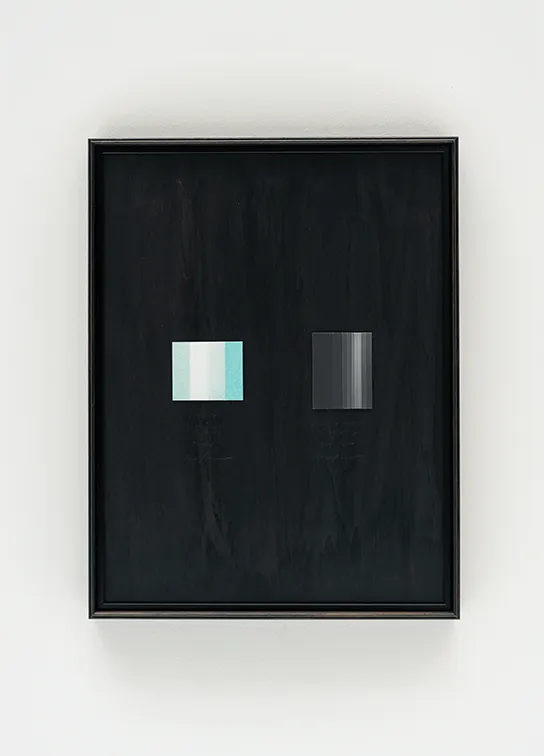
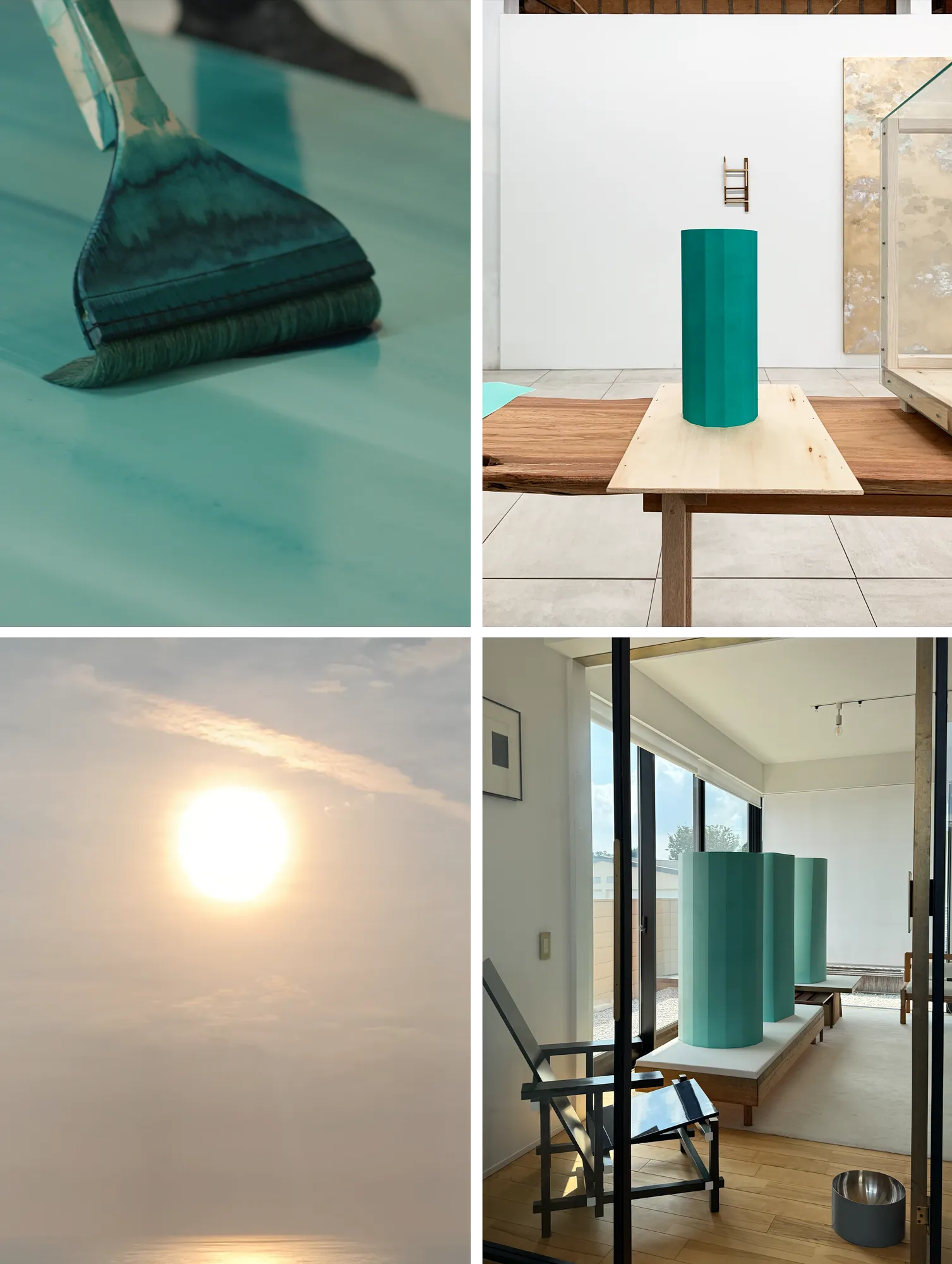
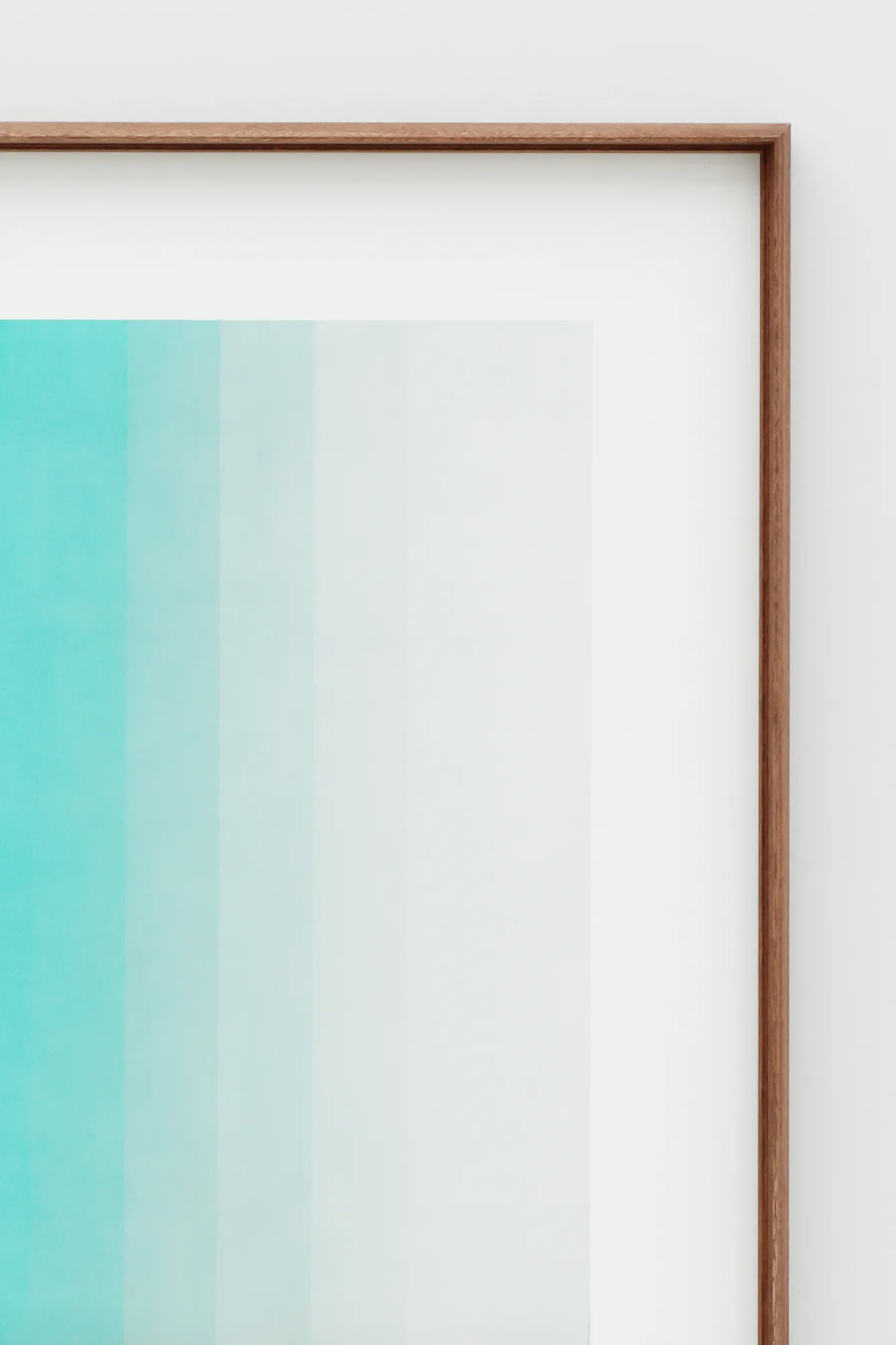
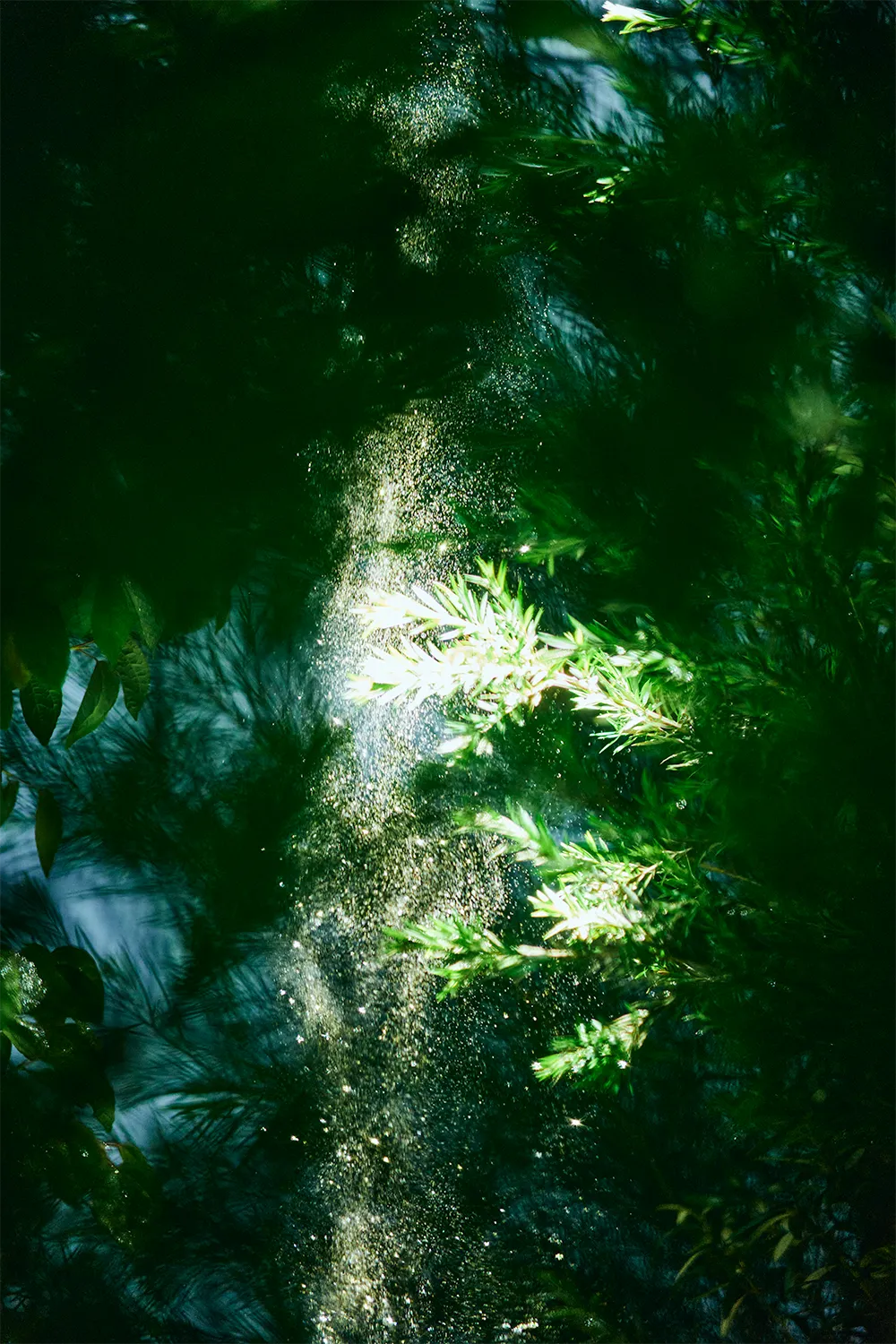
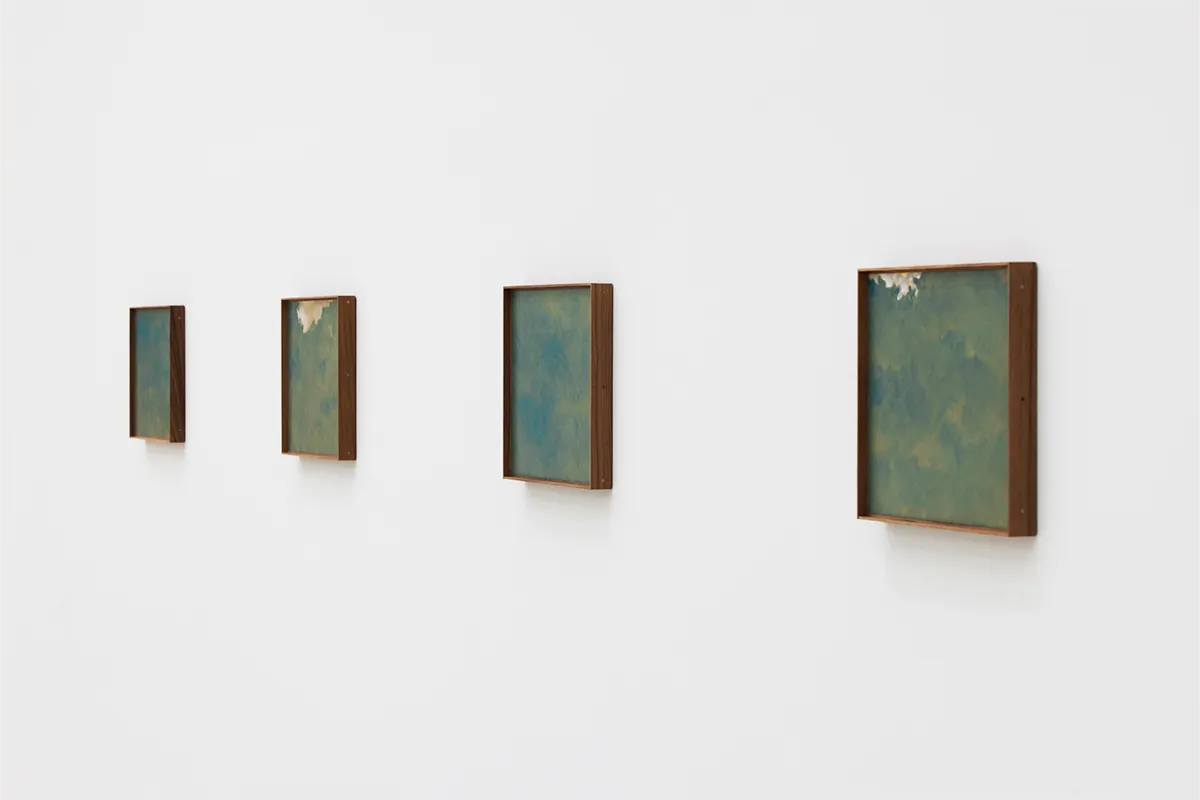
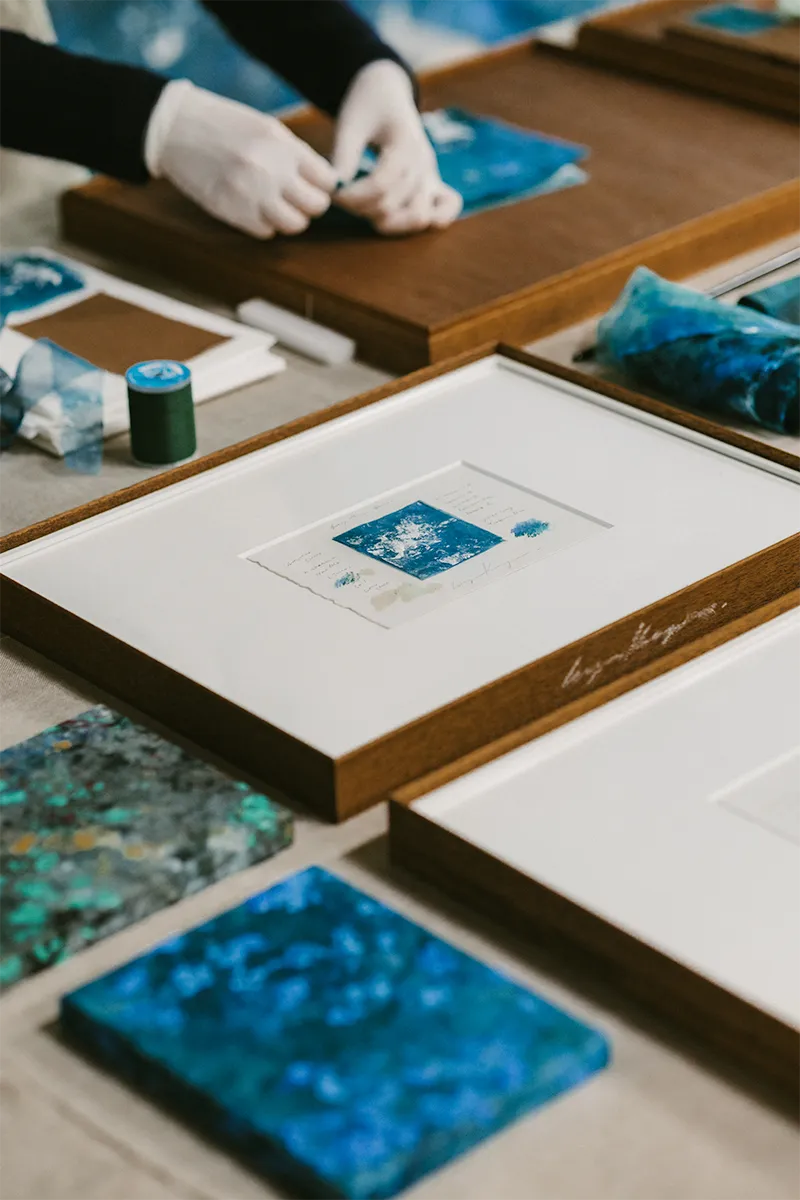
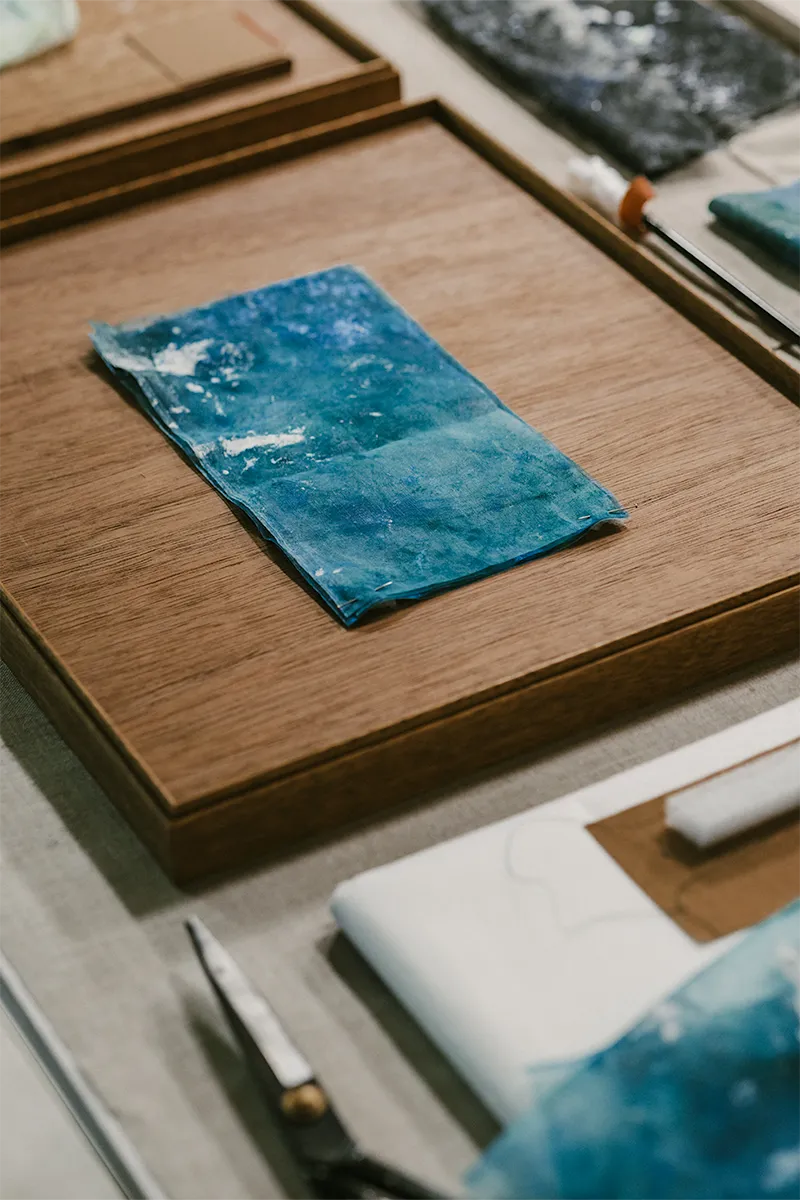
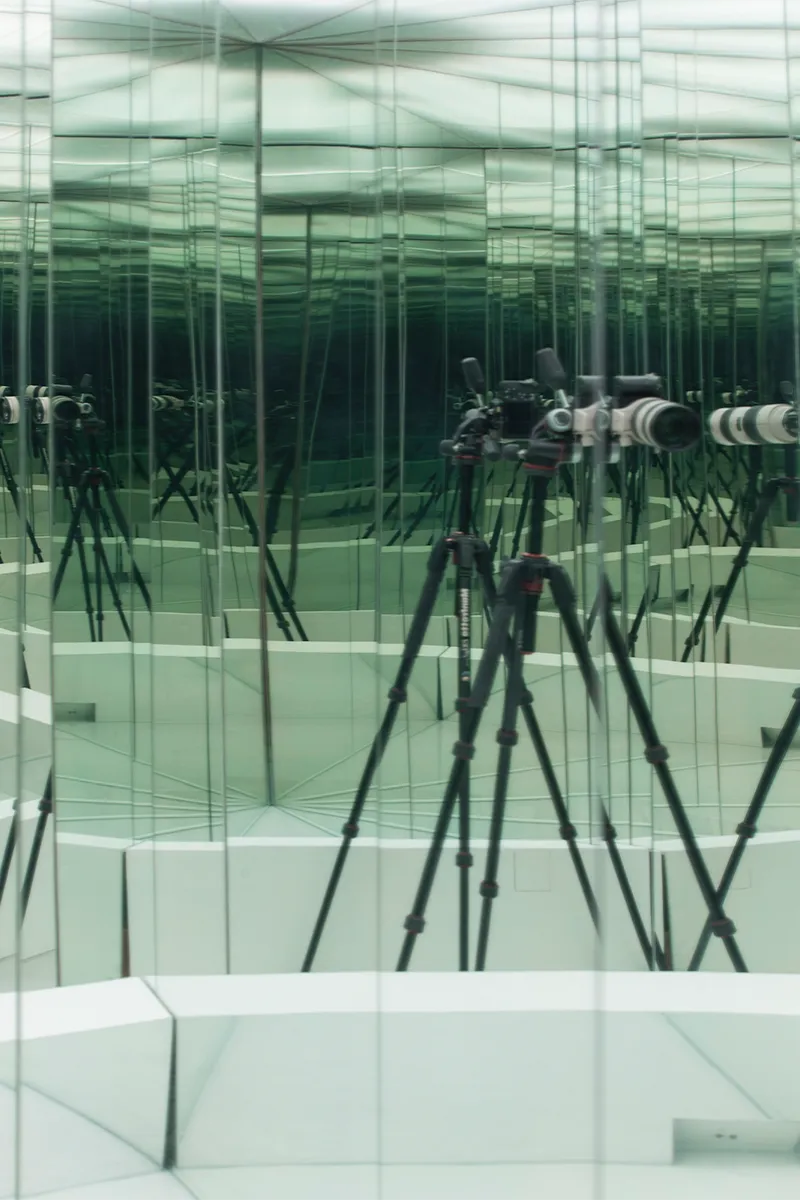
“... ‘The idea that all things, by the very fact of their existence, simultaneously possess both light and shadow — countless fronts and backs — is central to who I am and my practice,’ Kangawa explains to designboom. ‘My goal was to create a work of art that embodies and enacts this coexistence.’ The series was born from what he describes as a moment of revelation. ‘It all began one winter day when I found a sun-faded box at home. In that moment, everything connected, and the idea grew into these works,’ he tells us.”
“... For Kangawa, the collaboration resonates deeply with Issey Miyake’s human-centered design philosophy. ‘Issey Miyake’s philosophy connects closely with my own work, particularly in exploring existence,’ he says. ‘Light and shadow inside me began as a meditation on loss, peace, and nature—the idea that light can be both beautiful and fearsome. In Japanese sensibility and history, light has always carried this duality. Some people even say the works evoke associations with the nuclear.’”
Museum of Contemporary Art Tokyo, Exhibition Text, 2021
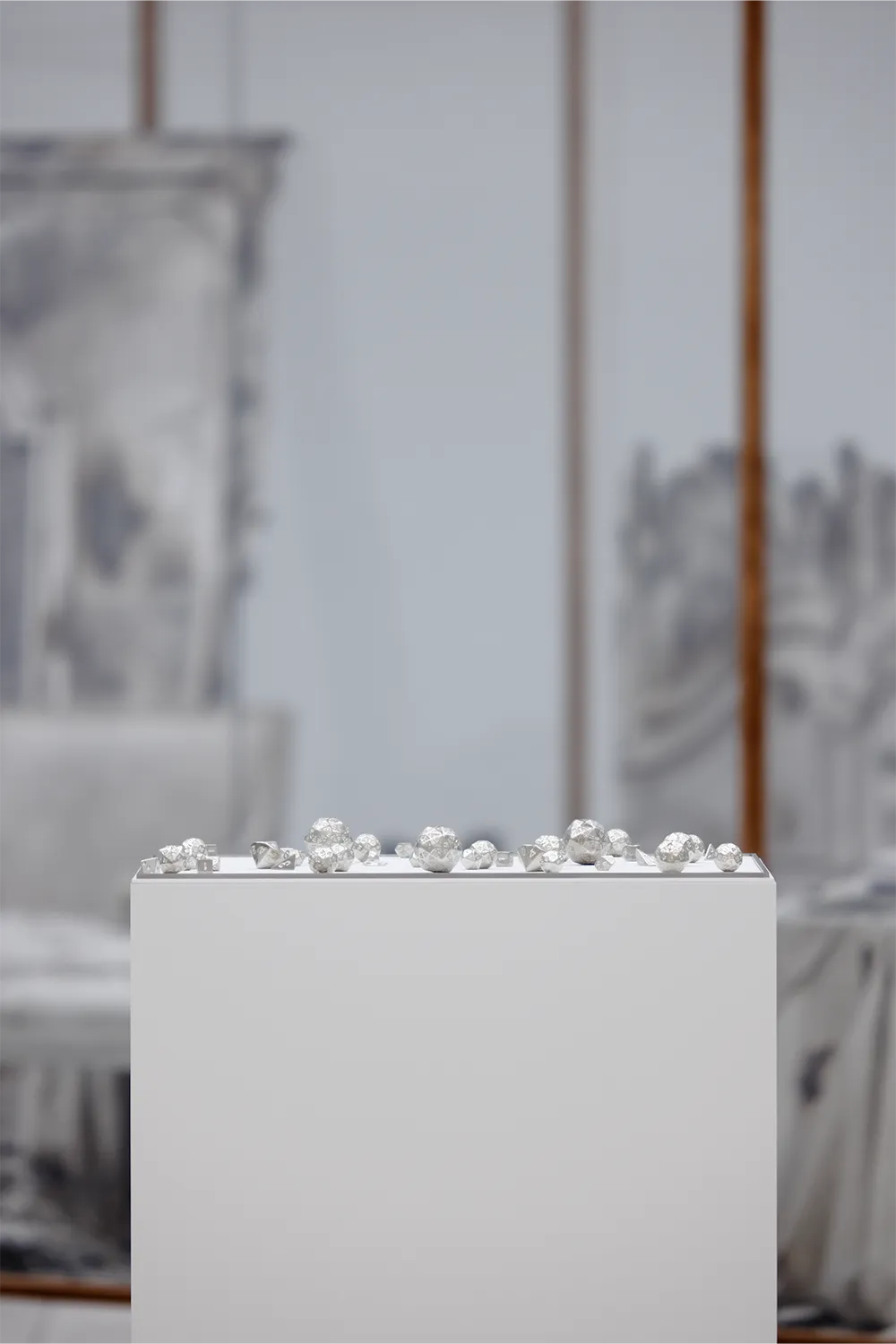
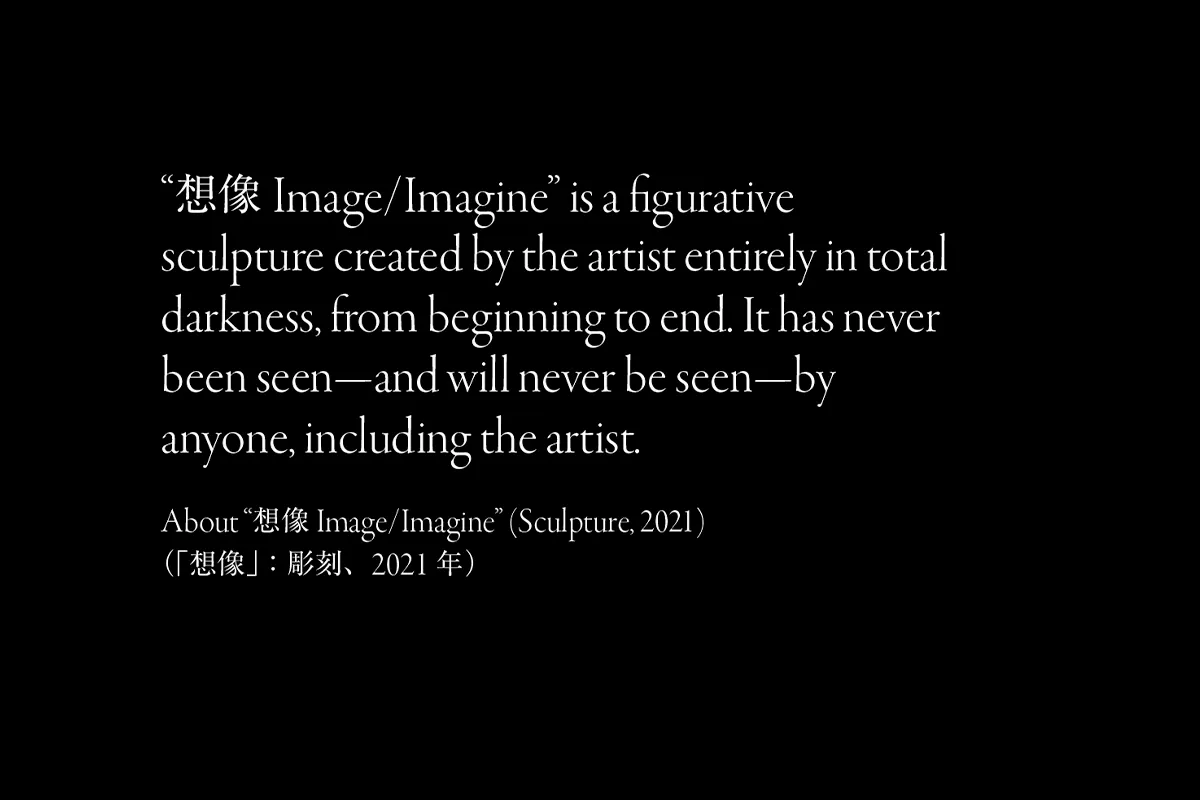
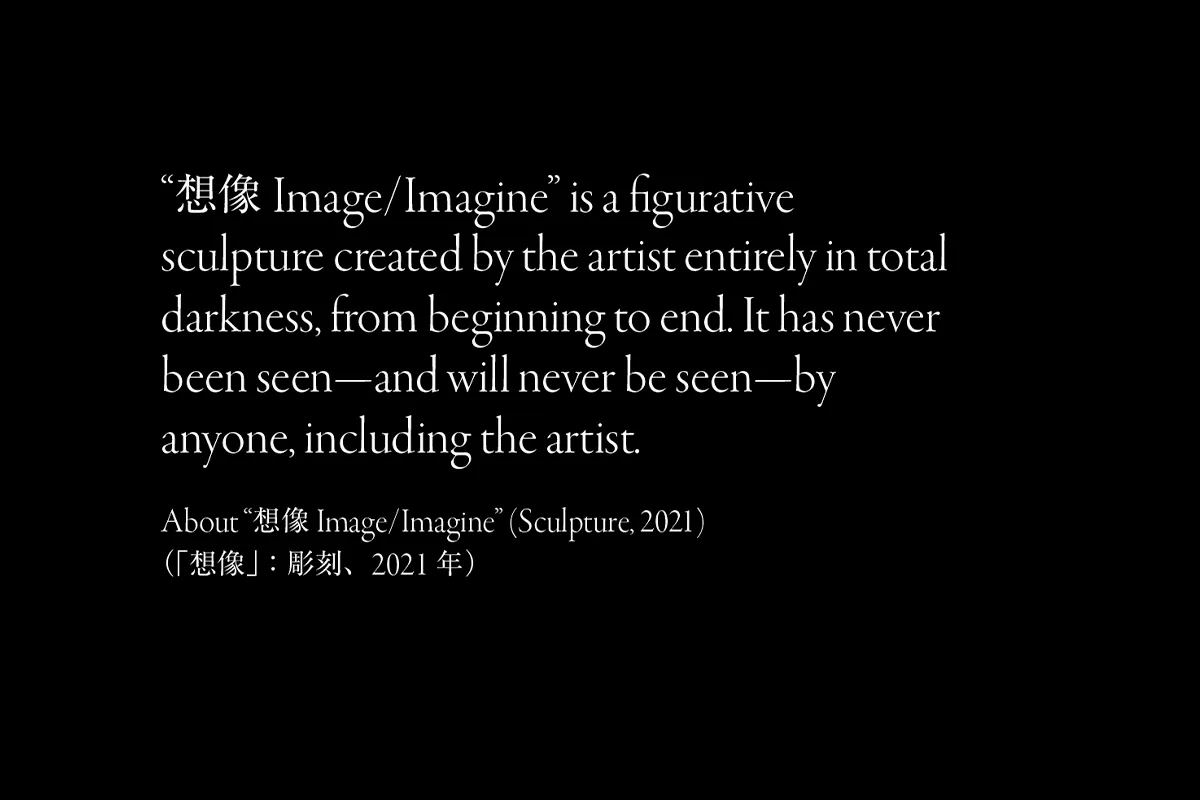
*About Image/Imagine #1 man (sculpture, 2021)
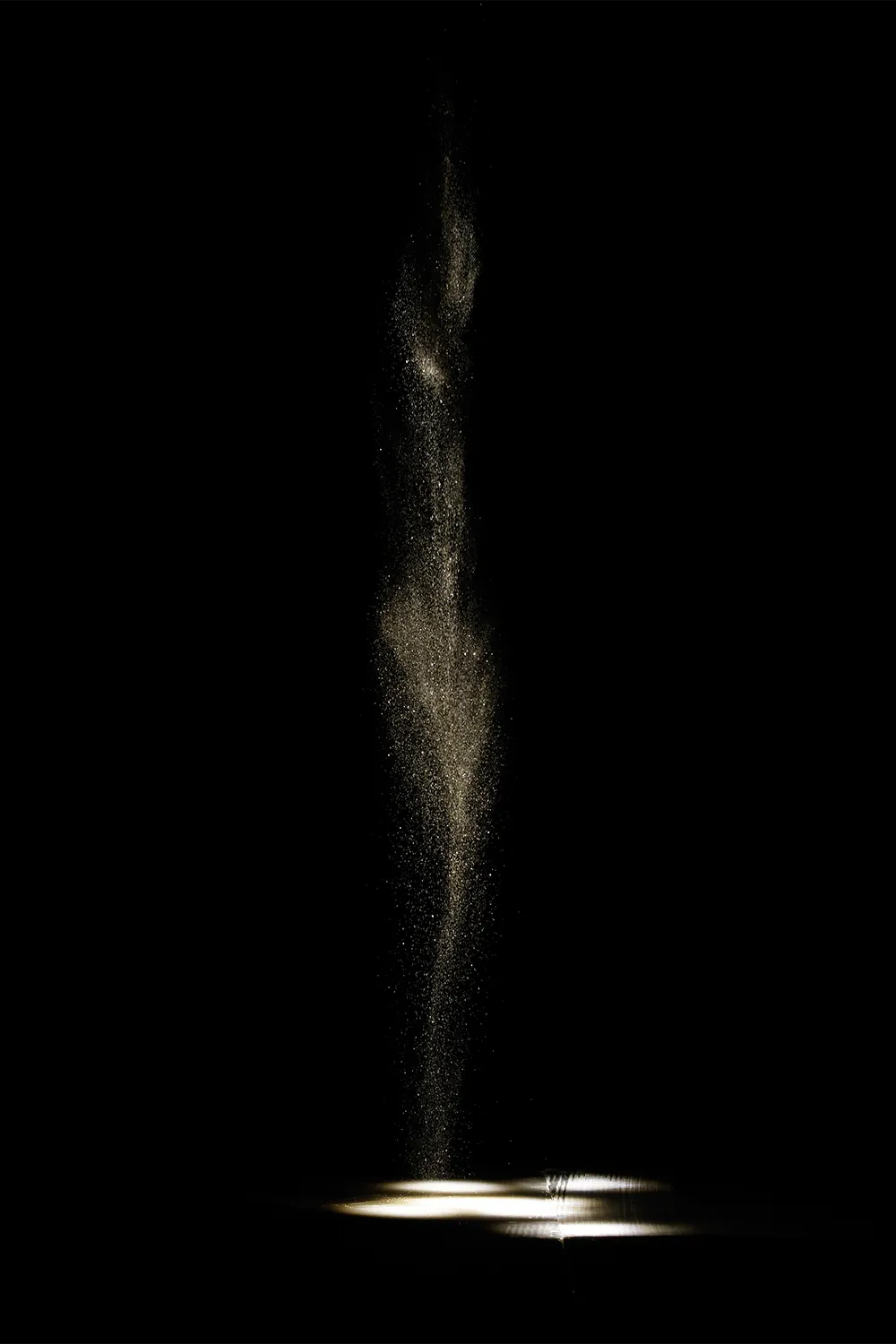
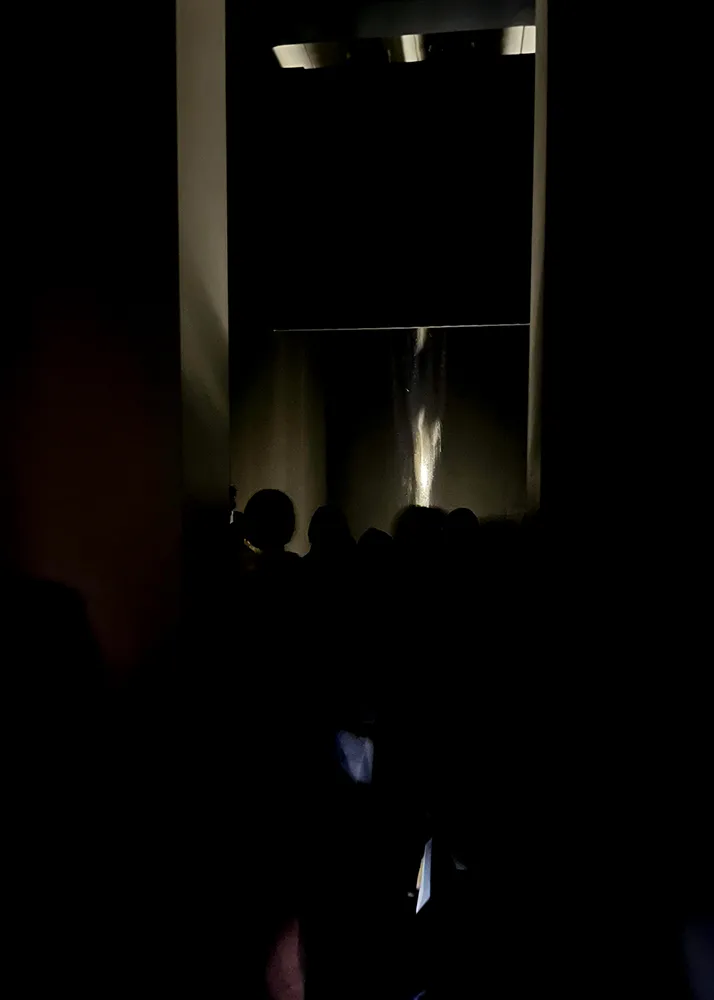
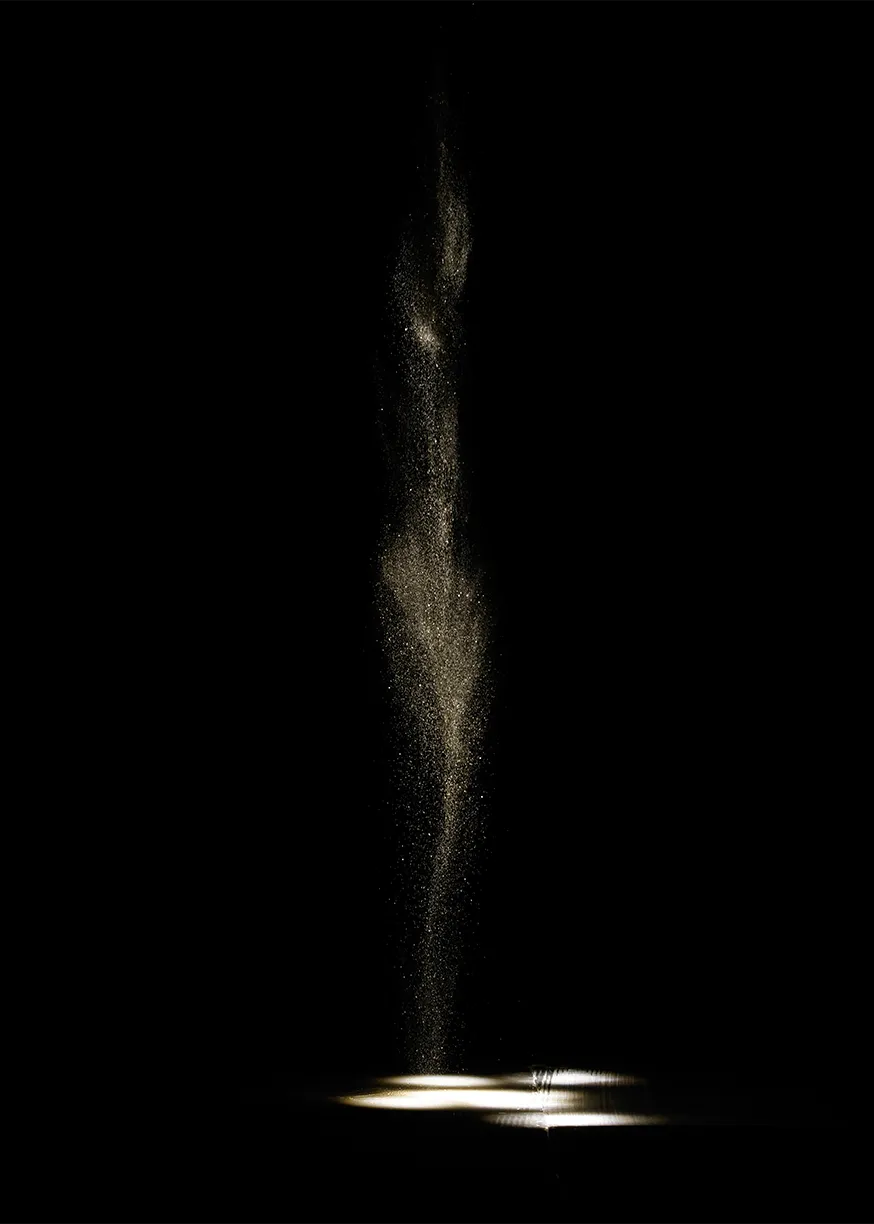
“… a work that undoubtedly exists, yet can never be seen; its figure of ‘imagination’ multiplies into as many forms as there are viewers. As the artist remarks—‘this work carries the exhibition’s hidden side’—what ultimately underpins the exhibition is the amplitude and depth of our imagination.
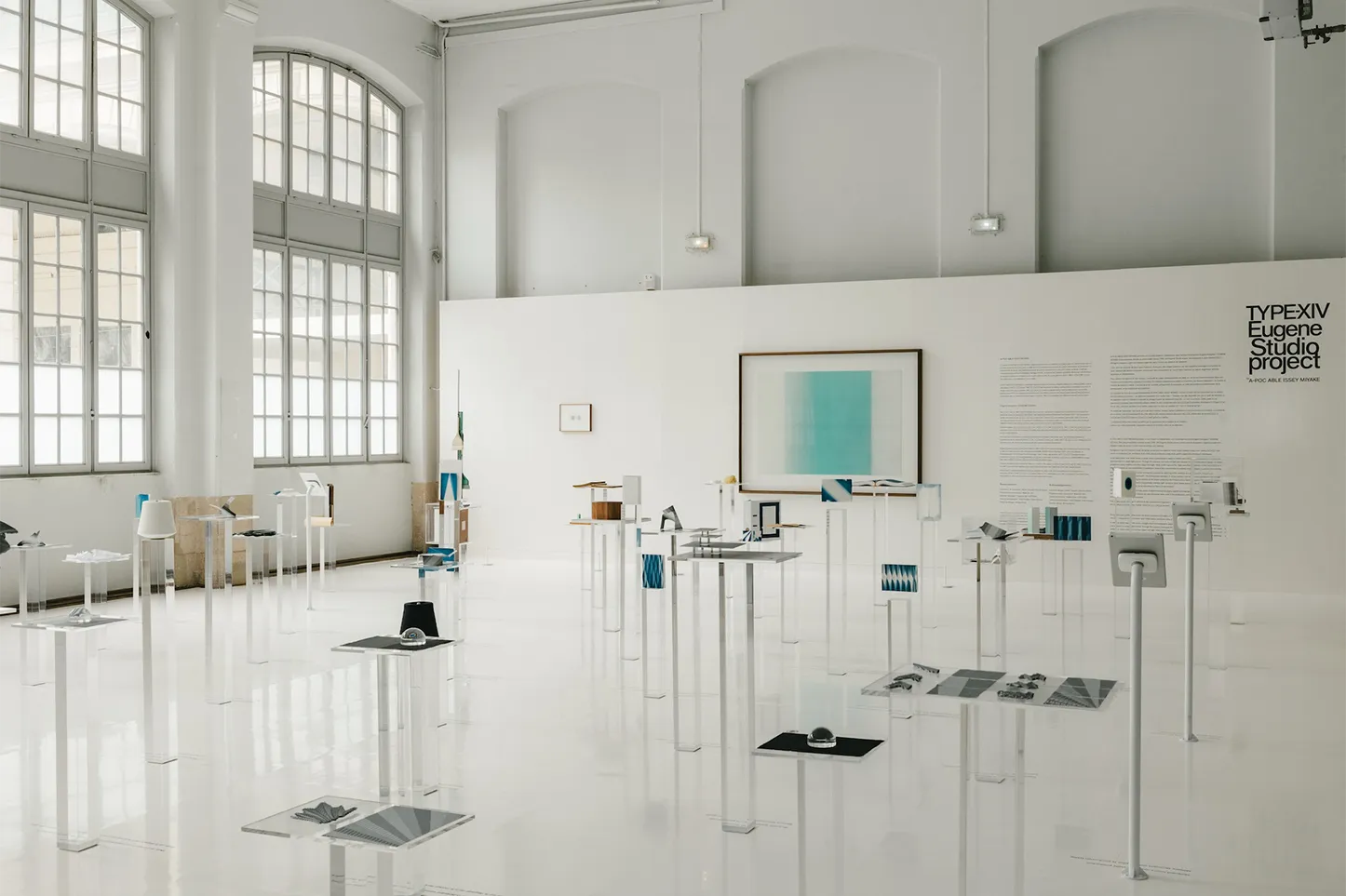
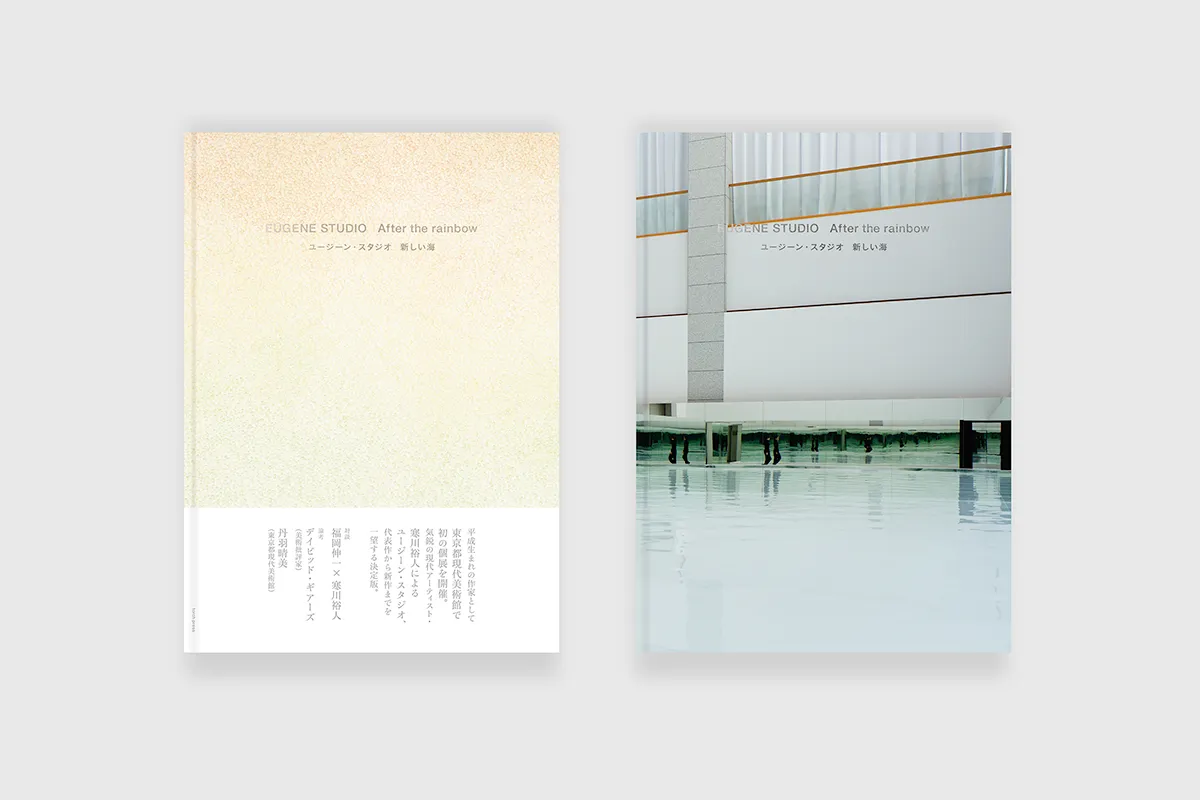
What is presented here is only a part of the whole. Even so, the diverse modes of expression in EUGENE STUDIO’s work in this exhibition stimulate our awareness from multiple angles and lead us to insights we have not previously had. If the sea is the origin of life, then the consciousness nourished by this exhibition—serving as a source of new ideas and shaping how the world might be—may itself be called a ‘new sea.’”
David Geers (An art critic)
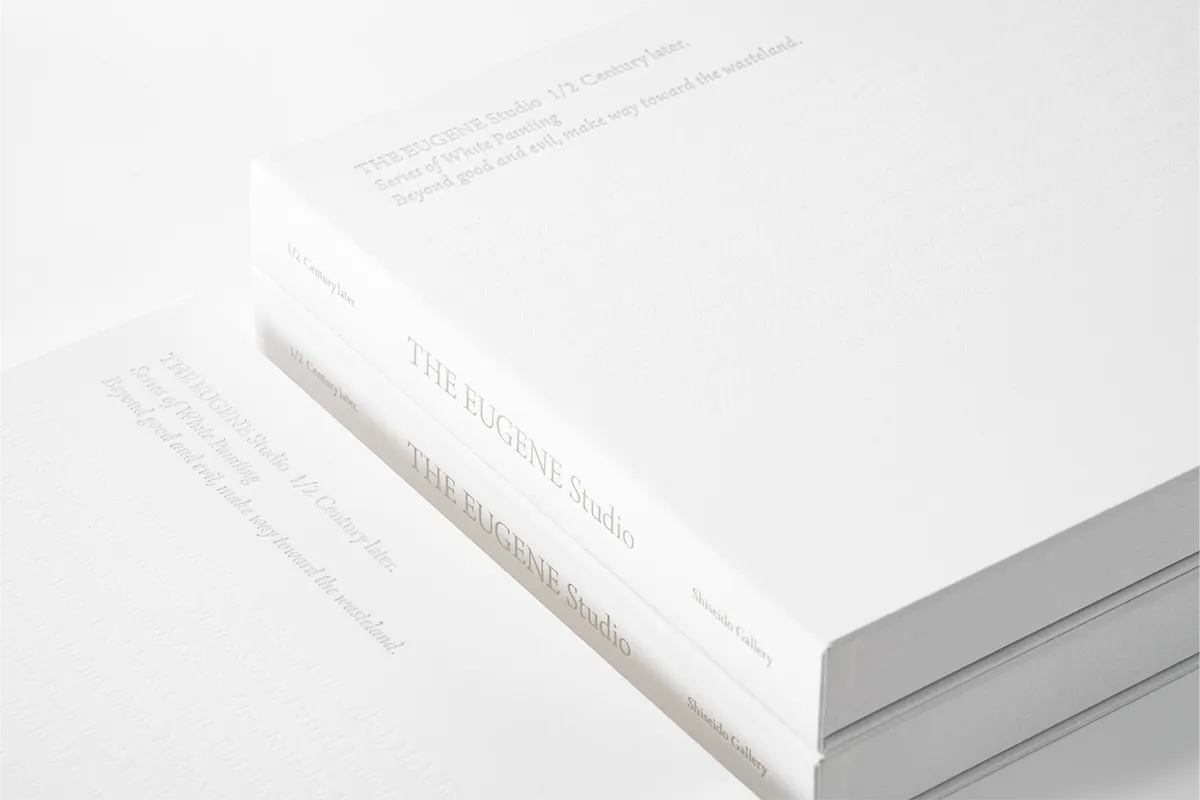
“Passion in Monochrome,” 2017
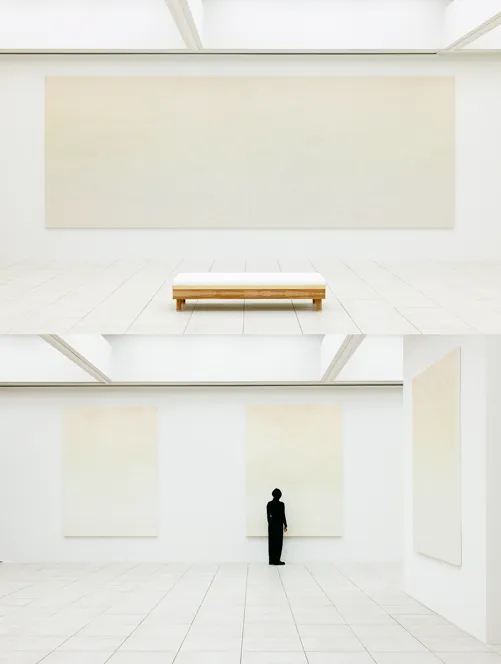
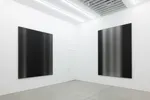
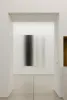
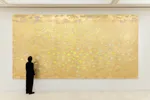
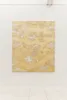
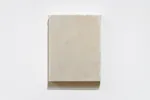
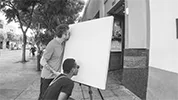
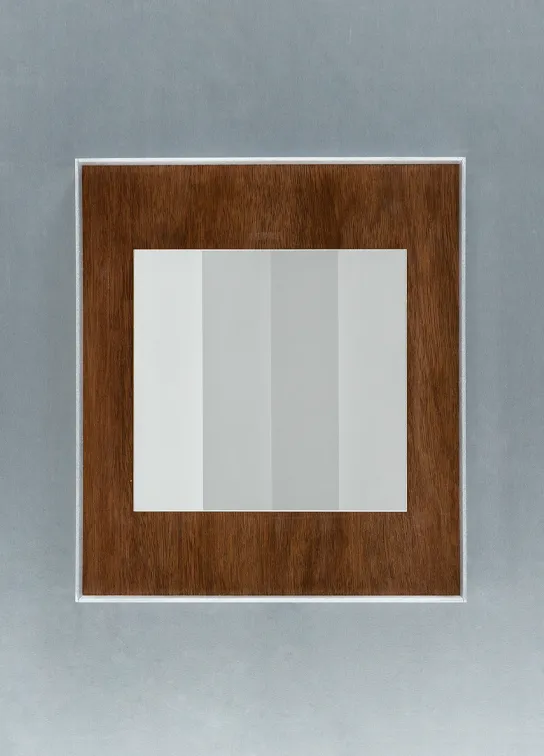
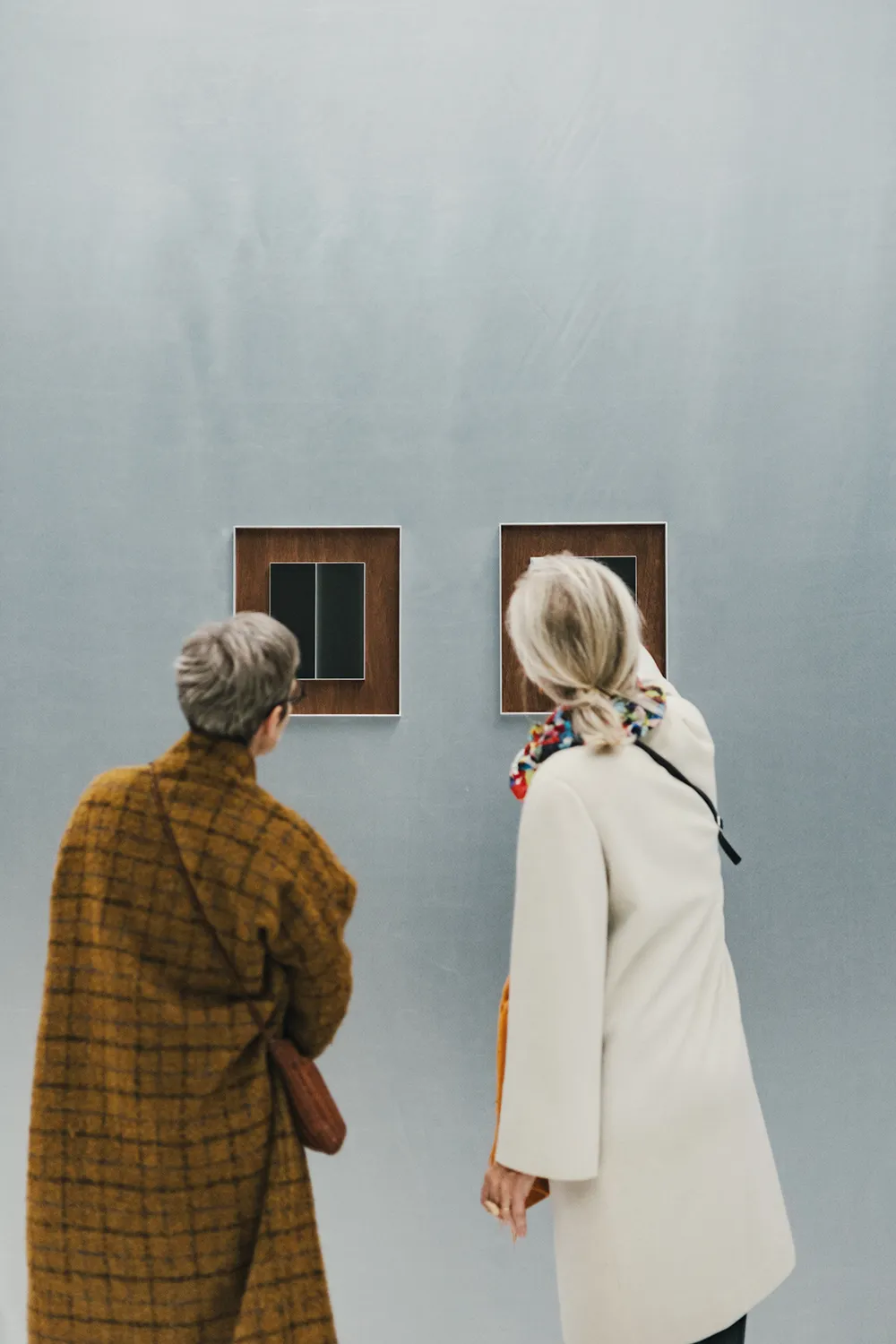
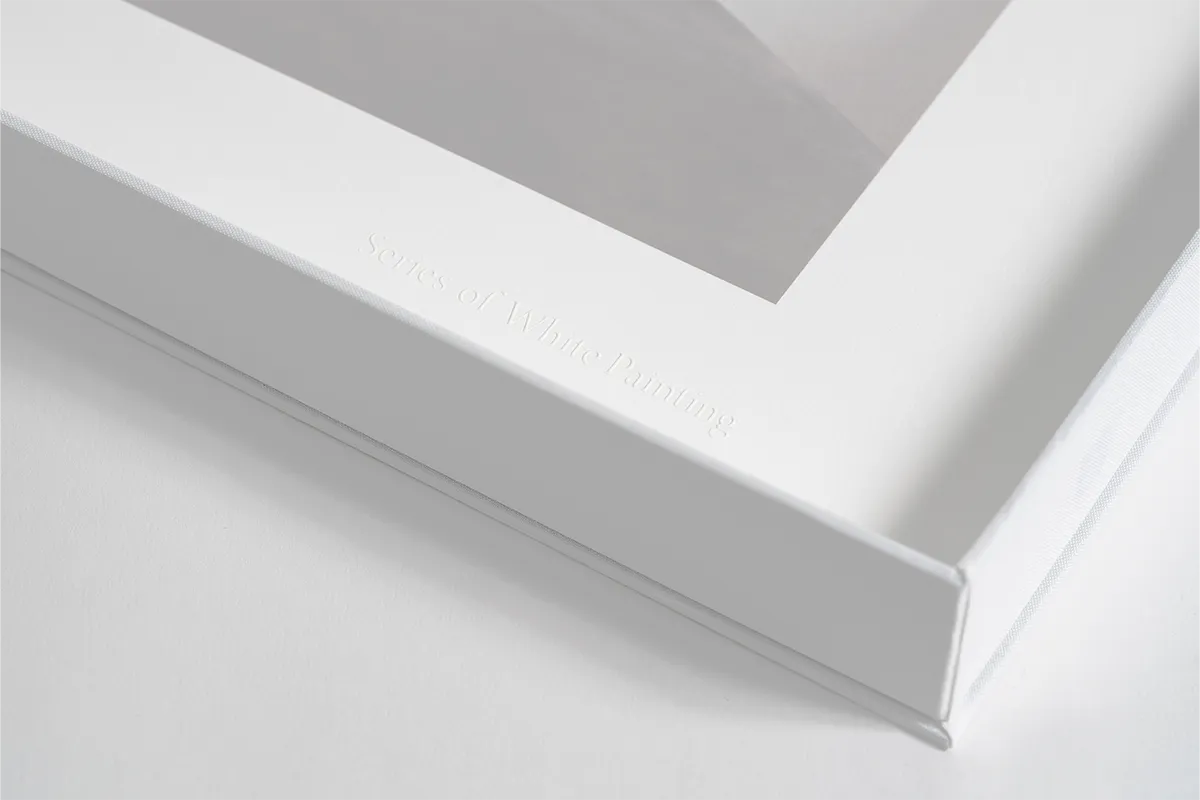
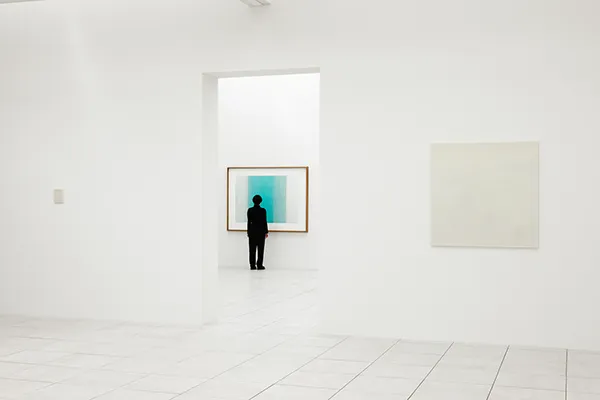
“THE EUGENE Studio’s White Painting series […] transforming the canvases into nomadic shrines to love and memory… . White Painting series returns the monochrome to its iconic if uncertain place between a portal and a thing.”
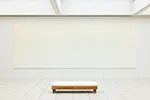
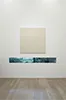
At least in the American context, the battle today appears won by the latter position, thus cementing the monochrome within its materialist aspect. But what does it mean to go in the other direction—from Rodchenko to Malevich? Or perhaps better still, to linger on the border between the two, thereby rendering painting’s transcendental promises as transportive and projected, as staunchly material and emerging from an affectively constituted network? These questions inform the complexity of THE EUGENE Studio’s White Painting (2017)—a trio of white, seemingly simple monochromes.
David Geers
David Geers is an art critic who lives and works in New York. His writing has appeared in October, Frieze, Fillip, BOMB, The Brooklyn Rail, The Third Rail Quarterly, among other publications. Often focusing on the convergence of painting, politics and technology, his recent works include: “Neo-Modern,” October No. 139 (Winter 2012), “Formal Affairs,” Frieze, No. 169 (March 2015) and “Acts of Recognition,” Frieze, No. 191 (November-December 2017).