Beyond good and evil, make way toward the wasteland.
Protected: TEST
TITLE
[:en]
Please enter text here.Please enter text here.Please enter text here.Please enter text here.Please enter text here.Please enter text here.Please enter text here.Please enter text here.Please enter text here.Please enter text here.Please enter text here.Please enter text here.Please enter text here.Please enter text here.Please enter text here.Please enter text here.Please enter text here.Please enter text here.Please enter text here.Please enter text here.Please enter text here.Please enter text here.Please enter text here.Please enter text here.Please enter text here.Please enter text here.Please enter text here.Please enter text here.Please enter text here.Please enter text here.
[:ja]
ここに日本語のテキストを入力してください。ここに日本語のテキストを入力してください。ここに日本語のテキストを入力してください。ここに日本語のテキストを入力してください。ここに日本語のテキストを入力してください。ここに日本語のテキストを入力してください。ここに日本語のテキストを入力してください。ここに日本語のテキストを入力してください。ここに日本語のテキストを入力してください。ここに日本語のテキストを入力してください。ここに日本語のテキストを入力してください。ここに日本語のテキストを入力してください。ここに日本語のテキストを入力してください。ここに日本語のテキストを入力してください。ここに日本語のテキストを入力してください。ここに日本語のテキストを入力してください。ここに日本語のテキストを入力してください。ここに日本語のテキストを入力してください。ここに日本語のテキストを入力してください。ここに日本語のテキストを入力してください。
[:]
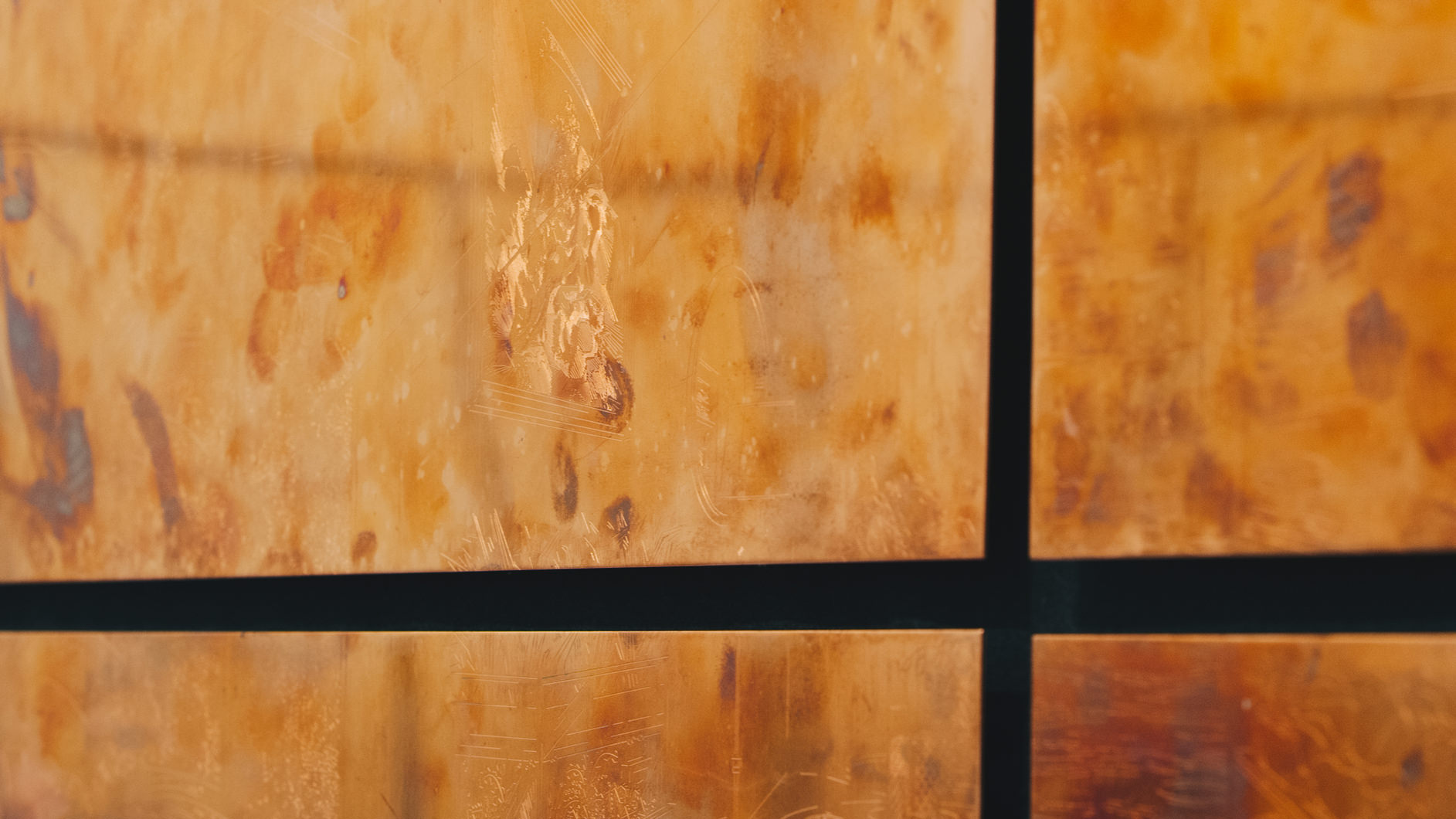
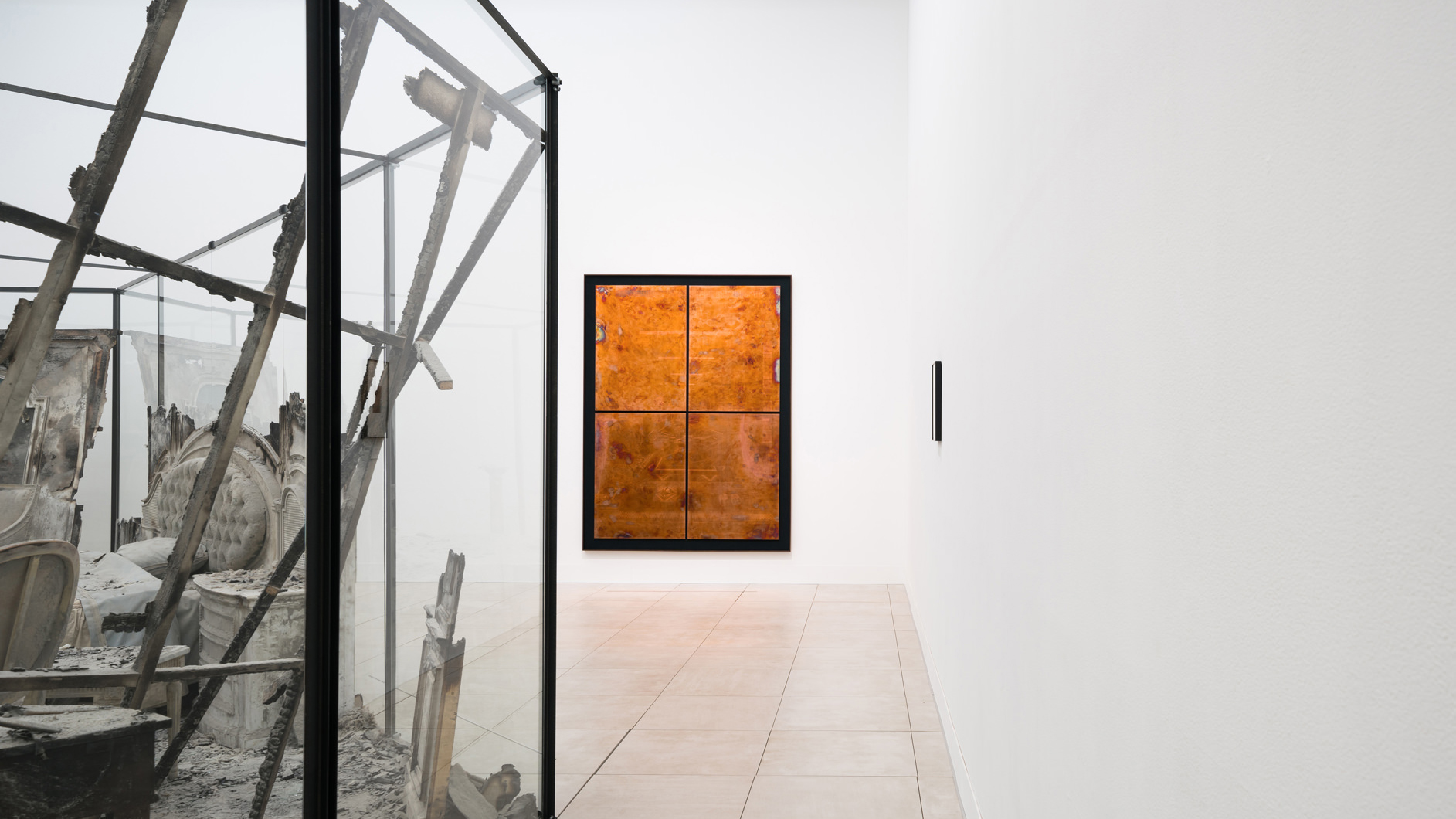
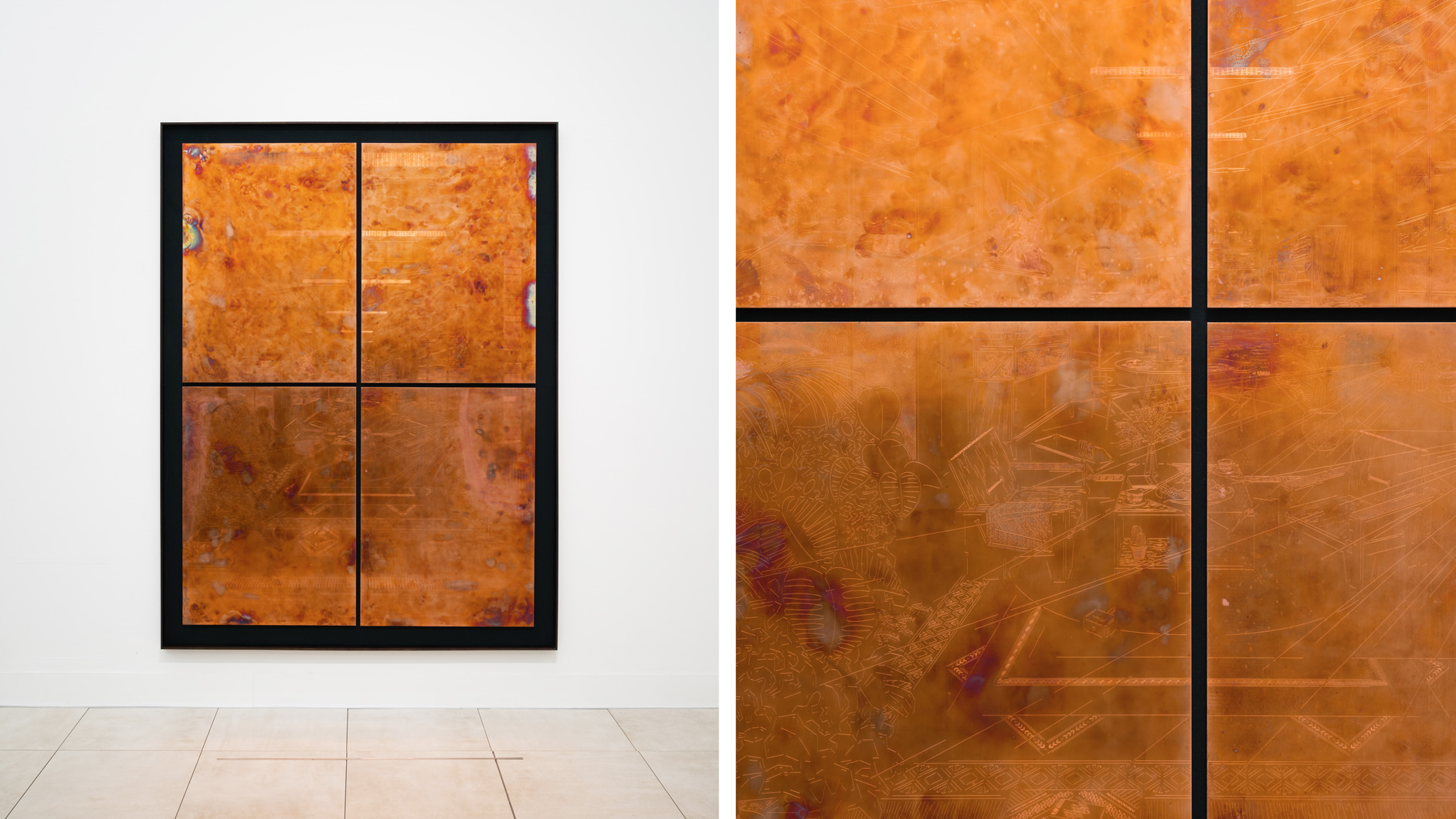
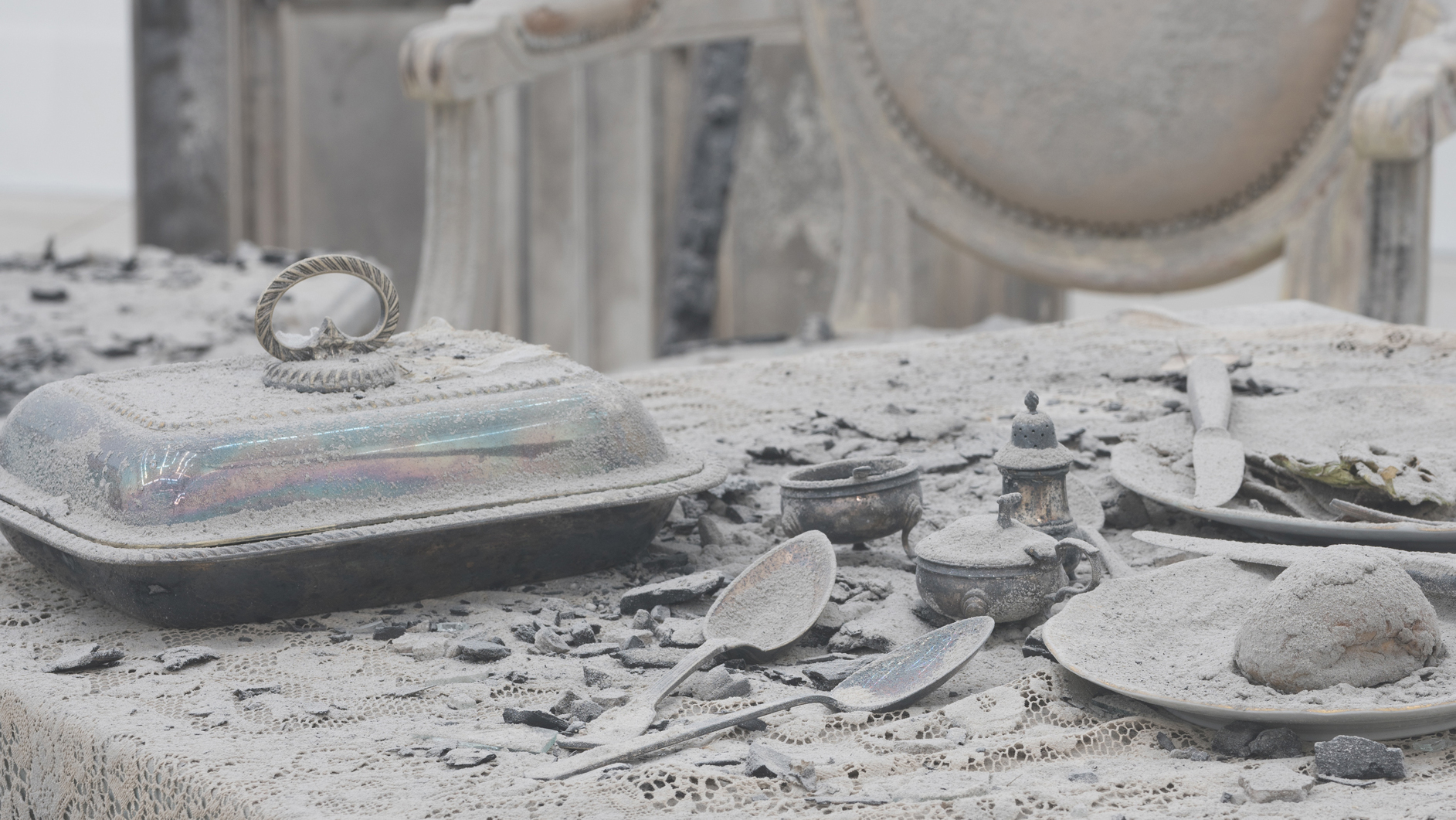
Outline
[:en]
Materialization of a fiction / To make the image of technology the foreground
ーTo make the image of science and technology the foreground.
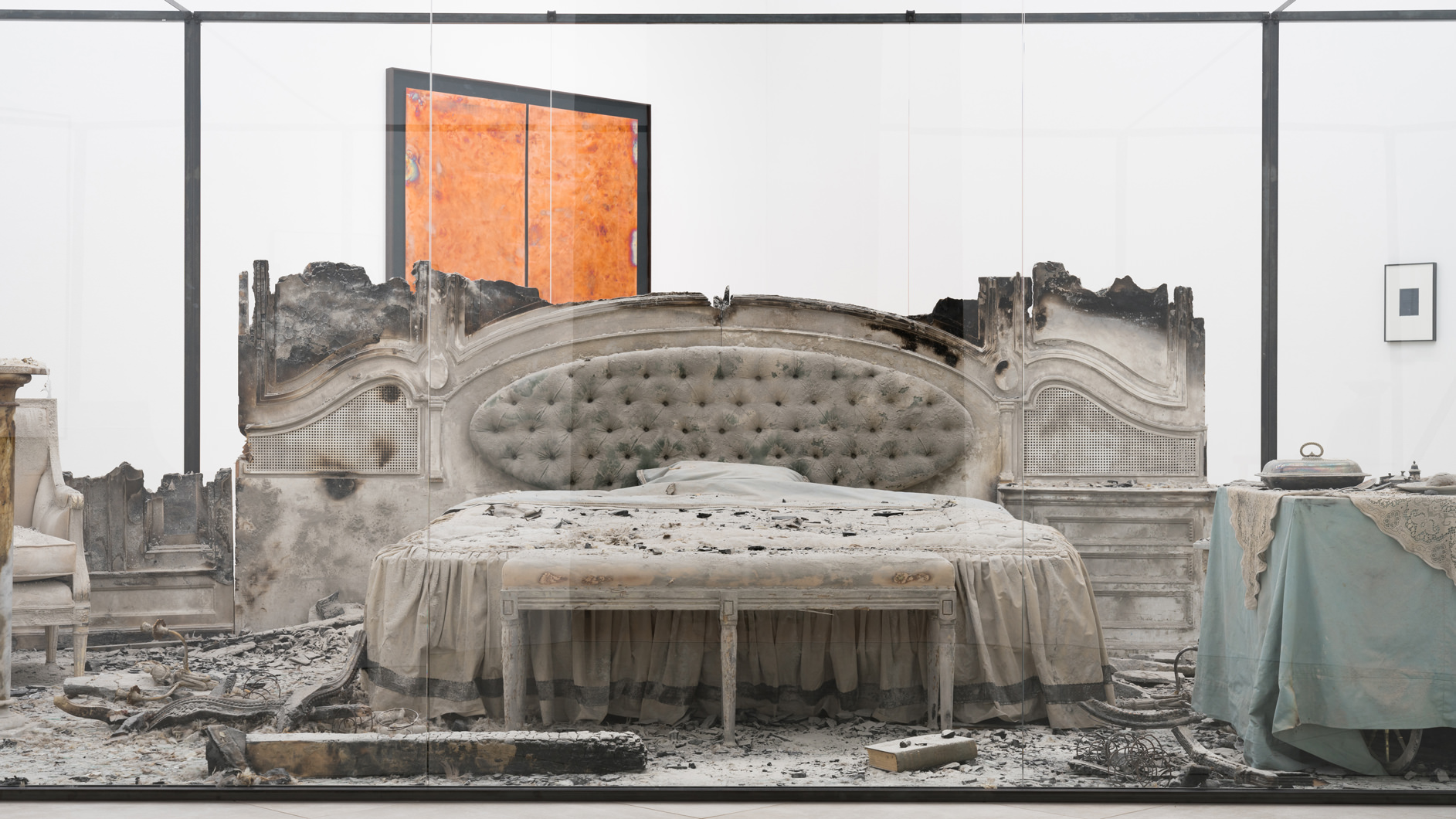
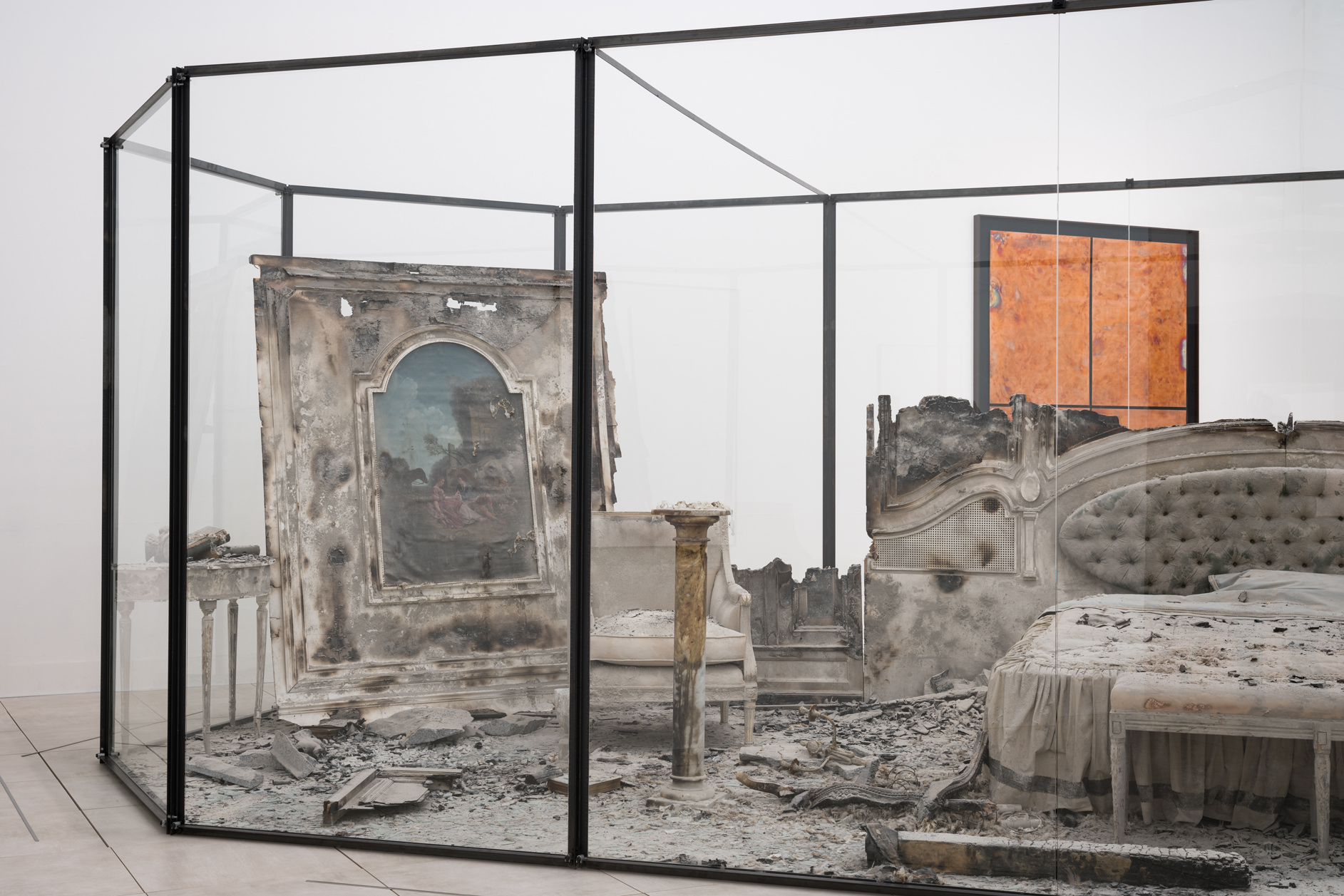
“Beyond good and evil, make way toward the wast land.” is a sculpture work made for the exhibition “1/2 Century later”. The work reproduced a pure white room in the final scenes of Stanley Kubrick’s 1968 film 2001: A Space Odyssey and made it go through the process of destruction.
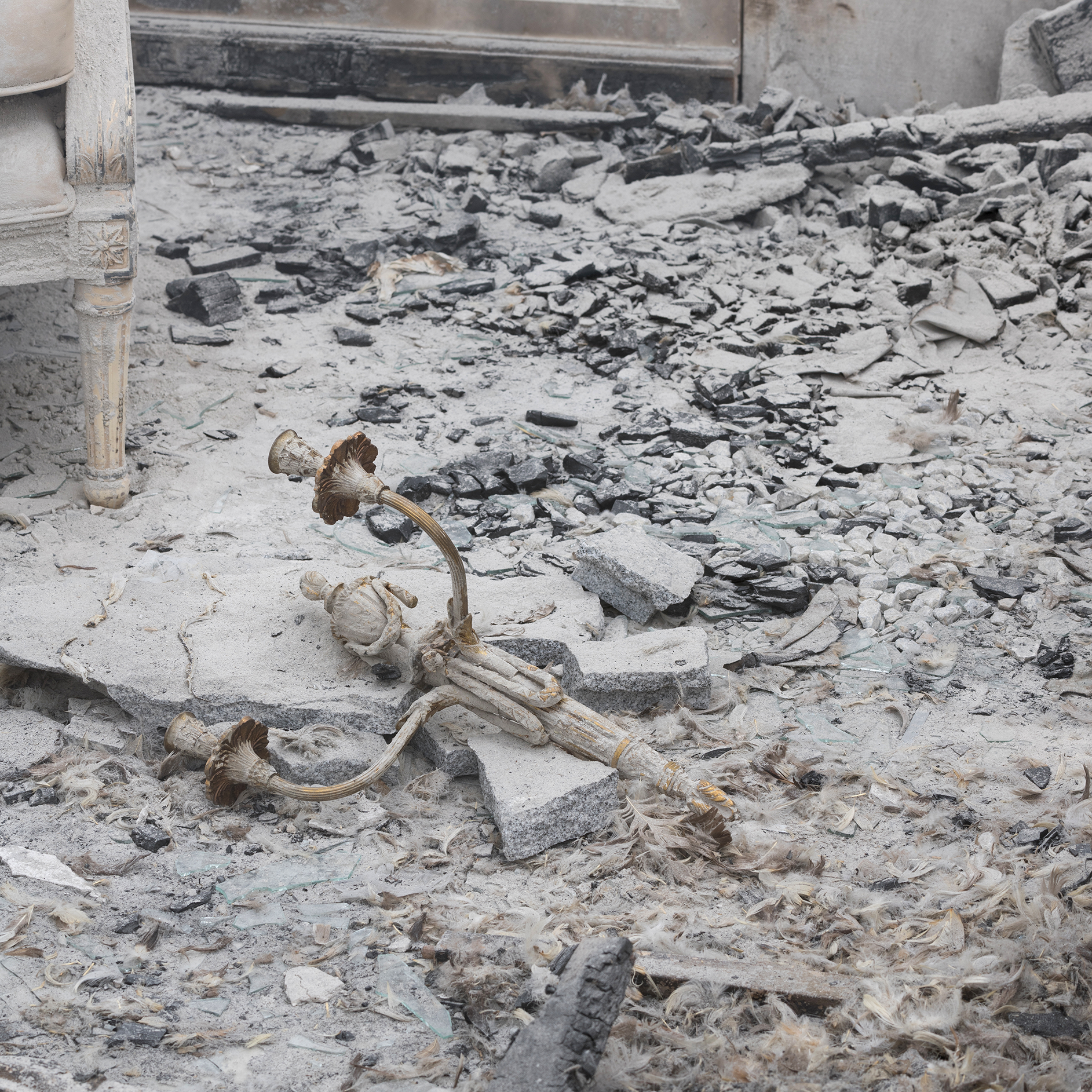
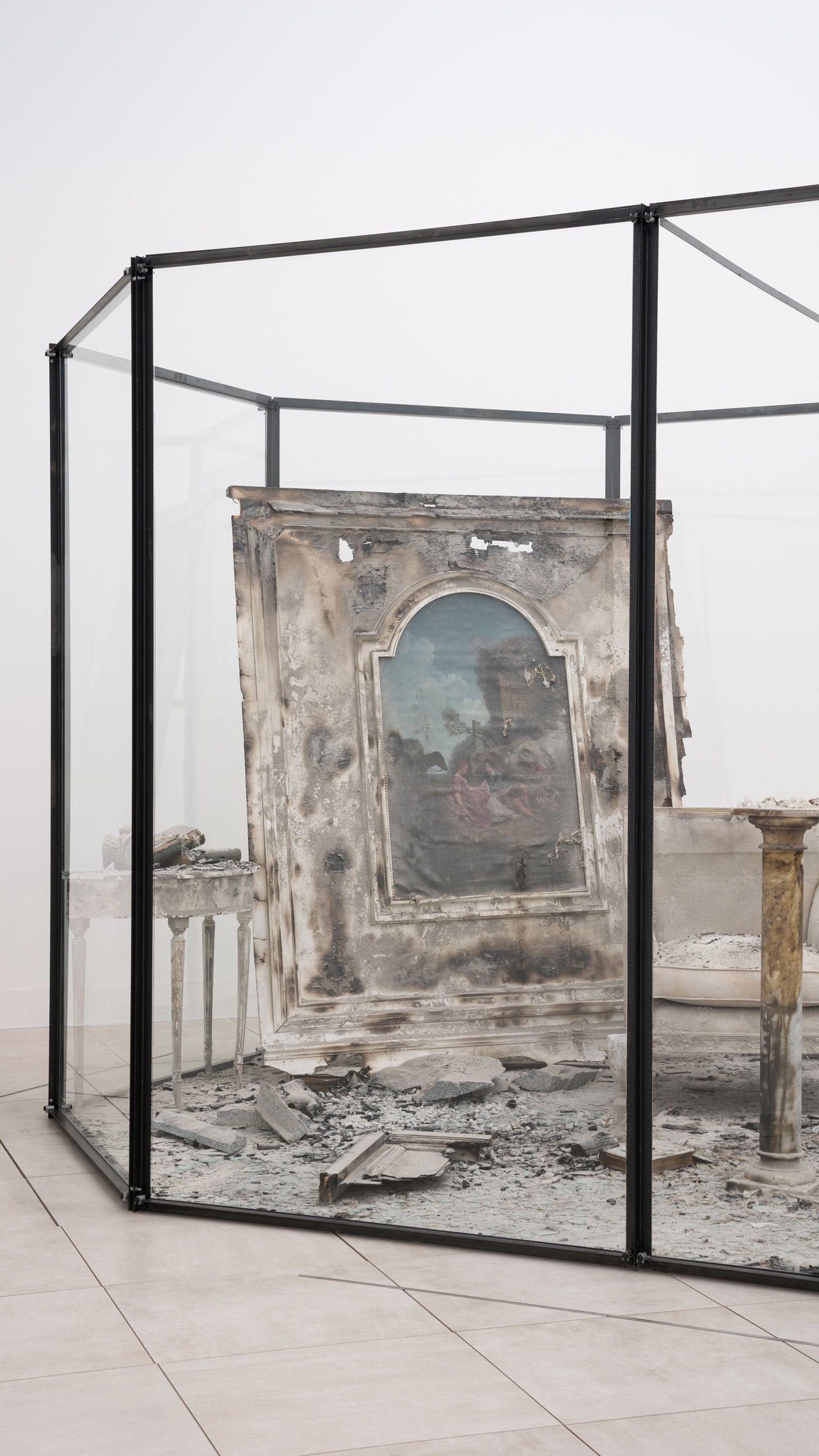
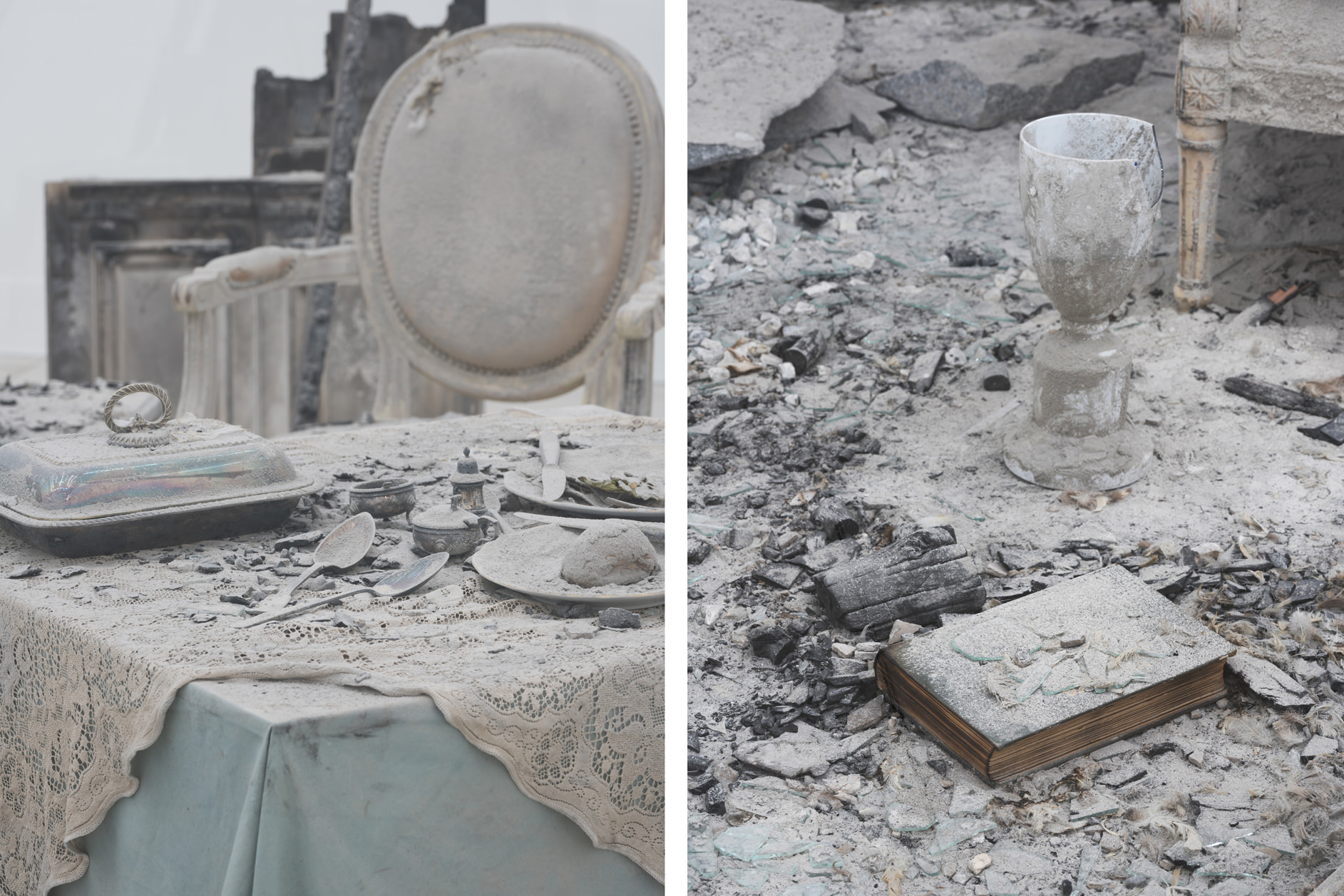
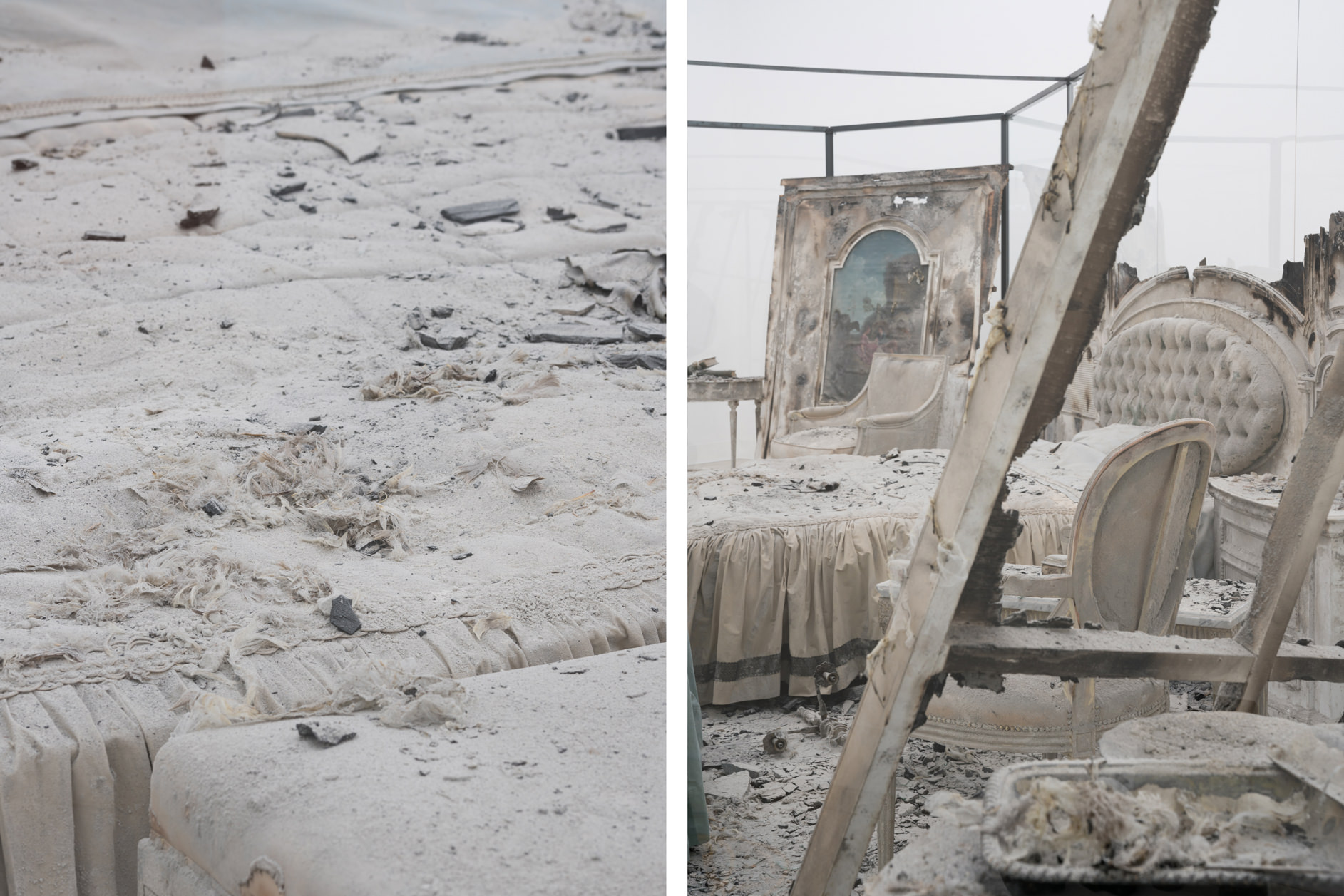
Within a large glass case are dust-covered chairs, a bed, cabinets, chipped marble pillars, oil painting, and other weathered items which appear to be from an old forgotten room.
[:ja]
Materialization of a fiction / To make the image of technology the foreground
ーTo make the image of science and technology the foreground.
“Beyond good and evil, make way toward the wast land.” is a sculpture work made for the exhibition “1/2 Century later”. The work reproduced a pure white room in the final scenes of Stanley Kubrick’s 1968 film 2001: A Space Odyssey and made it go through the process of destruction.
Within a large glass case are dust-covered chairs, a bed, cabinets, chipped marble pillars, oil painting, and other weathered items which appear to be from an old forgotten room.
フィクションの実在化 / テクノロジーのイメージを前景化するー
科学、テクノロジーのイメージを、前景化するー
「Beyond good and evil, make way toward the wast land.」は、「1/2 Centuly later」に際して作られた、映画『2001年宇宙の旅』(スタンリー・キューブリック、1968年)のラストシーンに登場する、真っ白な部屋を原寸大で再現し、破壊/風化のプロセスを経た彫刻作品です。
ガラスケースの中に、塵が積もった椅子、ベッド、キャビネット、欠けた大理石の柱、油絵などが風化した状態で収められています。
[:]
[:en]
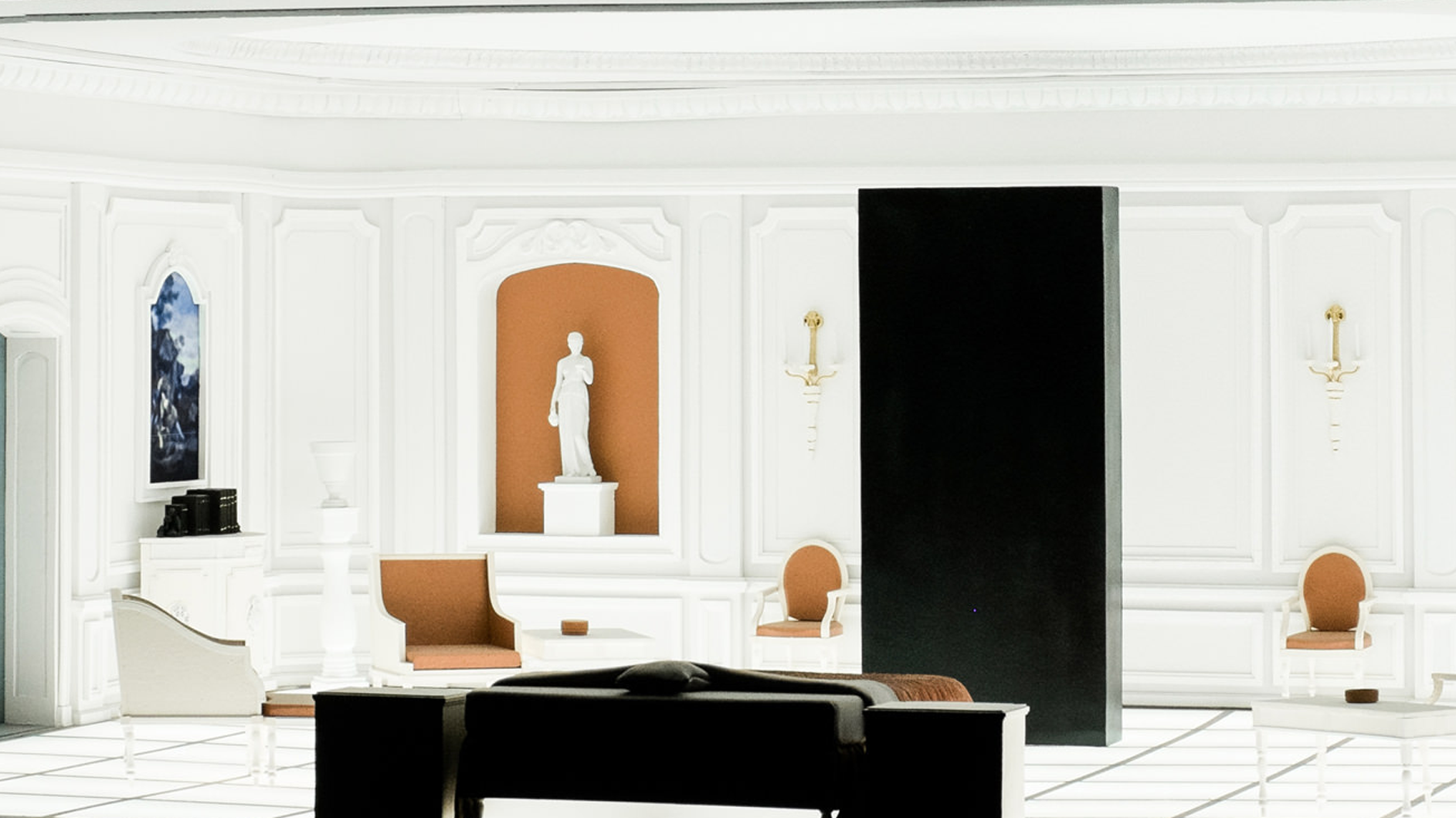
This room appears in the movie as a room “prepared by the monolith (an advanced computer which guides humans) for the next step in human evolution”.
What we tried was to converting the image that have symbolized technology since 1970s into the foreground completely.
[ Image ]
Model of the room from the final scene of the film
2001: A Space Odyssey by Stanley Kubrick.
Exhibit at LACMA
[:ja]
劇中でこの部屋は、「モノリス(≒人類を導く高度なコンピューター)が人類を進化させるために用意」した部屋として登場します。
私たちが試行したのは、1970年代以降テクノロジー観を象徴してきたイメージを、完全に前景とすることでした。
[ Image ]
Model of the room from the final scene of the film
2001: A Space Odyssey by Stanley Kubrick.
Exhibit at LACMA
[:]
Process
[:en]
Clothes and the center of the artwork were made originally and for some parts furniture made in the 18th century and real marble stone were used.
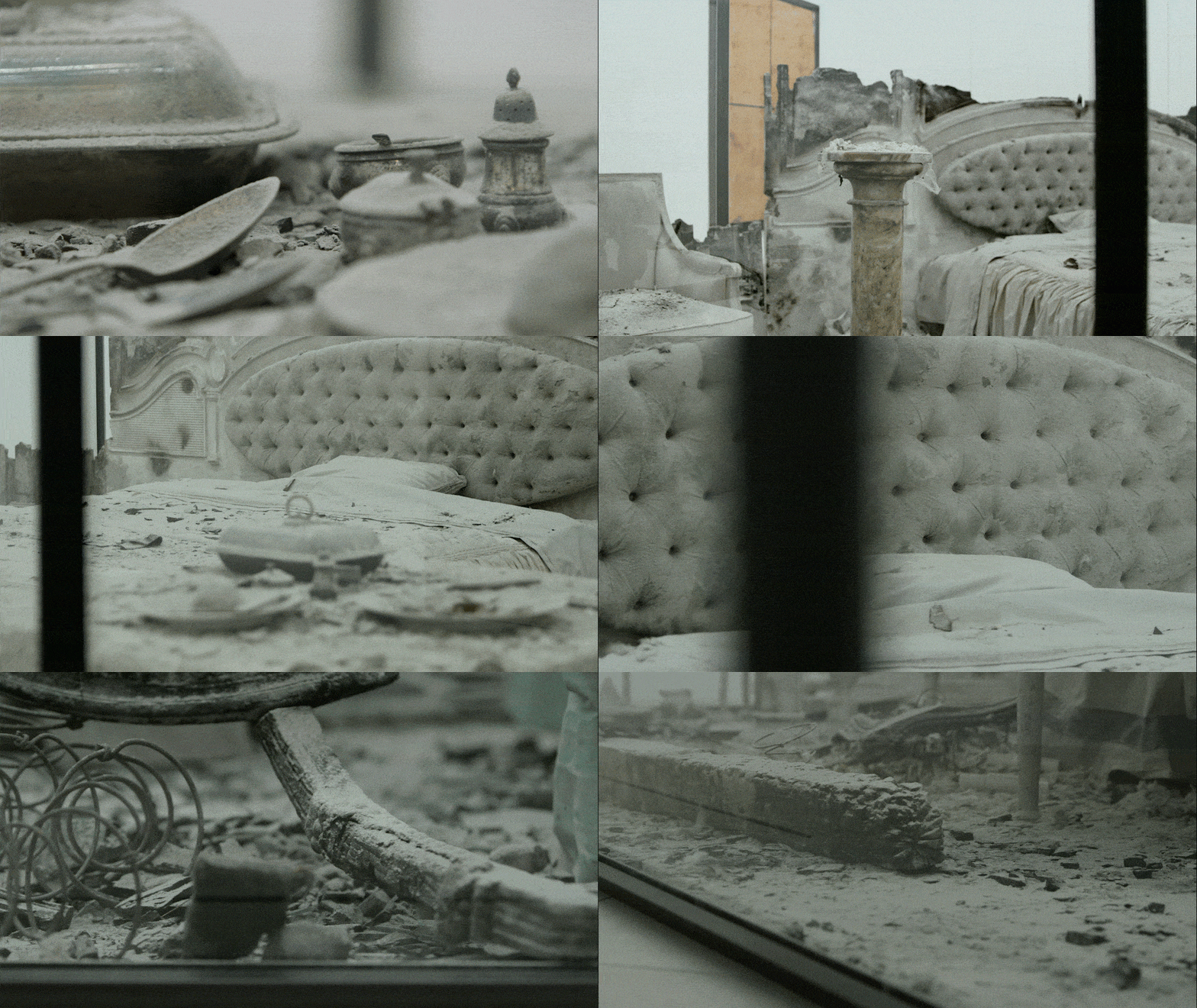
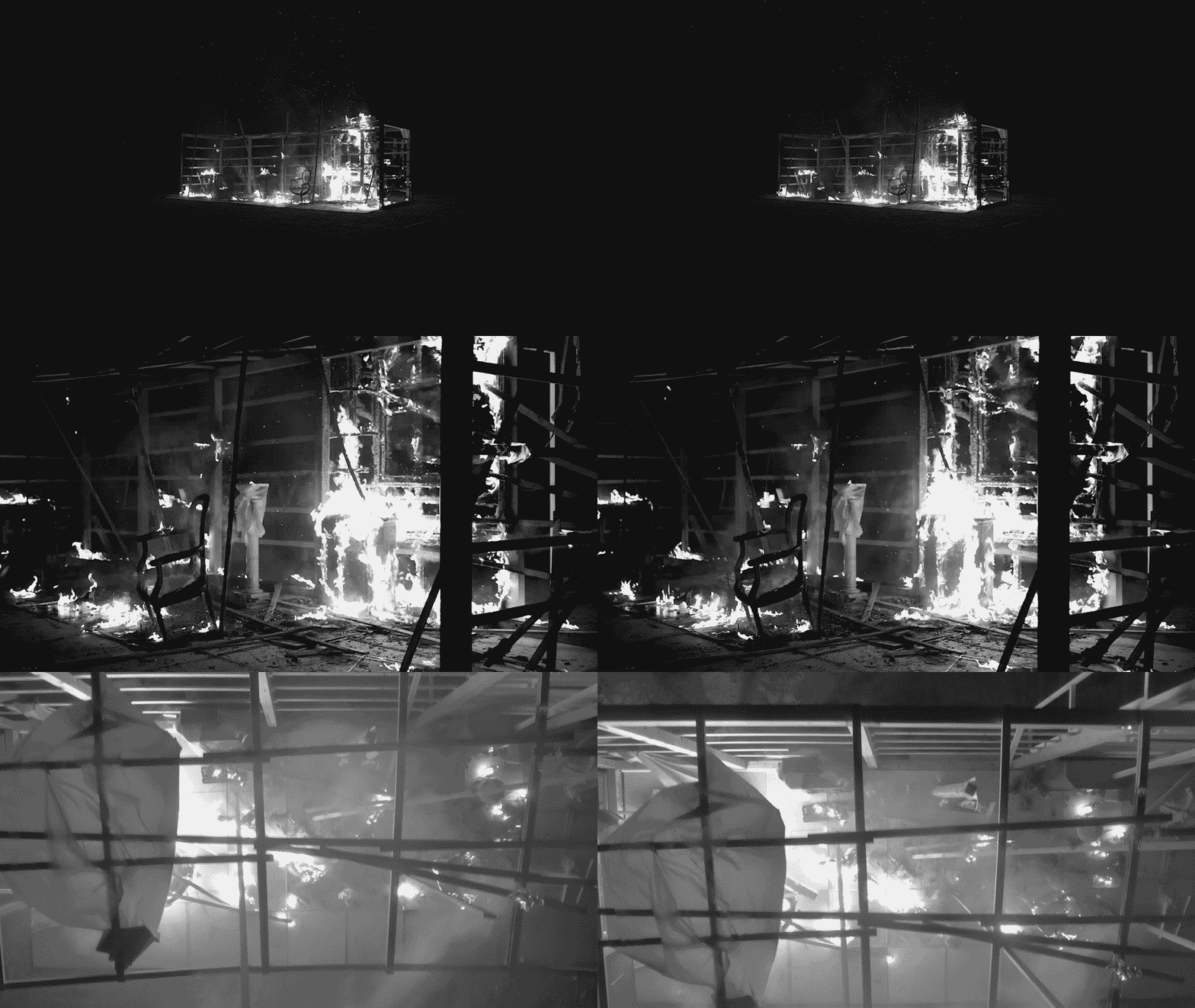
The room was set in a studio that shoots special effect films and was burned. Then it was divided to pats, recorded and recomposed.
[:ja]
Clothes and the center of the artwork were made originally and for some parts furniture made in the 18th century and real marble stone were used.
The room was set in a studio that shoots special effect films and was burned. Then it was divided to pats, recorded and recomposed.
中央部や布は制作し、一部は18世紀に作られた家具、大理石を使用。
特撮などを撮影する空間でセットを組み上げ燃焼し、ユニットごとに分割して記録し、再度組み立てます。
[:]
[:en]
[:ja]
[:]
[:en]
From rediscovery of history to a constructive place
In the exhibition 1/2 Century later., this work was exhibited in a place opposite to the White Painting where the monolith was originally located.
The detailed information is here.
[:ja]
From rediscovery of history to a constructive place
In the exhibition 1/2 Century Later, this work was exhibited in a place opposite to the White Painting where the monolith was originally located.
The detailed information is here.
歴史の再発掘から、建設的な場所へ
1/2 Century later.では、(本来モノリスが位置する場所に置かれた)White Paintingと対置して展示されました。
展覧会の詳細はこちら。
[:]
[:en]
[:ja]
[:]
[:en]Selected Q&A
[:ja]Selected Q&A
過去の展示資料より一部抜粋[:]
[:en]
Q. What is the meaning of the title “Beyond good and evil, make way toward the waste land.”?
A. We do not have a clear-cut answer, but Friedrich Wilhelm Nietzsche, a philosopher in Germany, wrote “Beyond Good and Evil (the original title: Jenseits von Gut und Böse)” after “us Spoke Zarathustra (the original title: Also sprach Zarathustra)”.
Q. How did you make the set?
A. The center of the artwork and clothes were made originally by us. We partly used furniture made in the 18th century. We used real materials for the set, such as real marble stone.
Q. How did you burn it?
A. We set it in a studio that shoots special effect films and burned it. (The black and white picture in a distributed print was taken at that time.) After that, we divided it per unit, brought them back and recomposed them in a show space.
Q. Why is it covered with glass?
A. In the scenes of the white room in “2001: A Space Odyssey”, we can see the sequences such as a reflection of a character in a glass of spacesuit and a transition to old man’s view after the character sees himself through a glass. Here we can see the “transition from 2D to 3D (≒ transition of dimensions)”. It can be said that the glass in our artworks quoted the technique from the film.
Q. Why is some back area superficial?
A. According to “2001: A Space Odyssey” by Sir Arthur Charles Clarke, a white room made by monolith is superficial; the shelves cannot open and the bath does not have water. We can say that our artwork reproduces that situation and also emphasizes the fact that it is a film set.
Q. Is the oil painting the real thing?
A. Yes, it was made for our artwork. We used classical linen cloth rather than chemical fiber.
More Question
Mail
[:ja]
Q.題名「Beyond good and evil, make way to ward the waste land. 」の意味はなんでしょうか?
A. 作品の題名を直訳すると、「善悪を超えて、なお荒野を歩く」というものとなります。
フリードリヒ・ニーチェは、「ツァラトゥストラはかく語りき」(独: Also sprach Zarathustra 英: Thus Spoke Zarathustra)のあと、「善悪の彼岸」(独: Jenseits von Gutund Böse 英: Beyond Good and Evil)を著しています。
Q. どうやってセットを作ったのですか?
A. 中央部や布部はオリジナルで制作しています。一部は18世紀に作られた家具を使用しています。
Q. どうやって燃やし、保管したのでしょうか?
A. 特撮などを撮影する場所でセットを組み、燃焼しています。そのあとユニットごとに分割して記録し、再度組み立てています。
保管もユニットごとに行っています。
Q. なぜガラス張りなのでしょうか?
A. 劇中の前後のシーンでは、宇宙服のガラスに自身が反射するシーケンスや、鏡越しに老いた自身を見たあと、老いた老人そのものの視点に切り替わるシーケンスなど、「2Dから3Dへの移行(≒次元の移行)」を読み取ることができます。
Q. 一部がハリボテなのはなぜですか?
A. アーサー・C・クラークの『2001年宇宙の旅』原作によると、このモノリスが作った真っ白な部屋は、家具は棚は開かず、水も出ないなど、徹底して表面のみを模ったものとして描かれています。
Q. 油絵は本物ですか?
A. 古典的な麻布を使用した技法で描いています。
More Question
Mail
[:]