The (anywhere) syndrome
Protected: TEST
TITLE
[:en]
Please enter text here.Please enter text here.Please enter text here.Please enter text here.Please enter text here.Please enter text here.Please enter text here.Please enter text here.Please enter text here.Please enter text here.Please enter text here.Please enter text here.Please enter text here.Please enter text here.Please enter text here.Please enter text here.Please enter text here.Please enter text here.Please enter text here.Please enter text here.Please enter text here.Please enter text here.Please enter text here.Please enter text here.Please enter text here.Please enter text here.Please enter text here.Please enter text here.Please enter text here.Please enter text here.
[:ja]
ここに日本語のテキストを入力してください。ここに日本語のテキストを入力してください。ここに日本語のテキストを入力してください。ここに日本語のテキストを入力してください。ここに日本語のテキストを入力してください。ここに日本語のテキストを入力してください。ここに日本語のテキストを入力してください。ここに日本語のテキストを入力してください。ここに日本語のテキストを入力してください。ここに日本語のテキストを入力してください。ここに日本語のテキストを入力してください。ここに日本語のテキストを入力してください。ここに日本語のテキストを入力してください。ここに日本語のテキストを入力してください。ここに日本語のテキストを入力してください。ここに日本語のテキストを入力してください。ここに日本語のテキストを入力してください。ここに日本語のテキストを入力してください。ここに日本語のテキストを入力してください。ここに日本語のテキストを入力してください。
[:]

Outline
[:en]
If the earth got a hole.
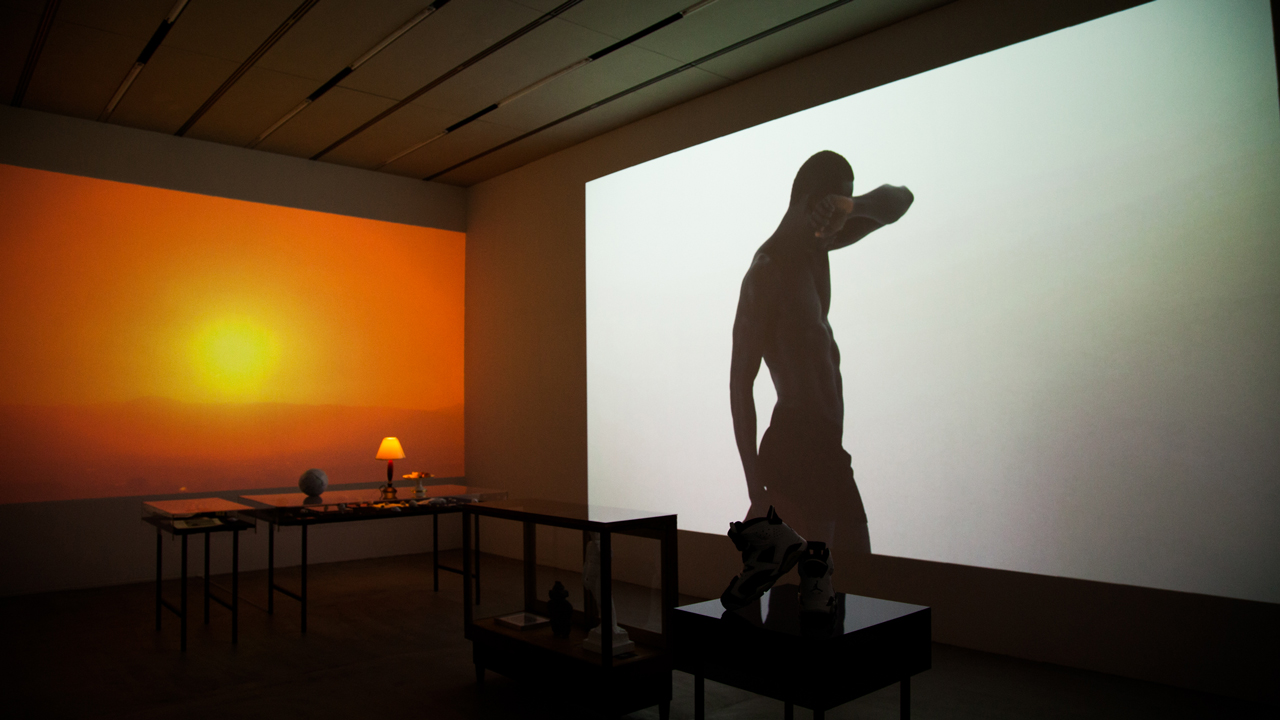
“The (anywhere) syndrome / earth hole” is an installation inspired from a film, “The China Syndrome” in 1979.
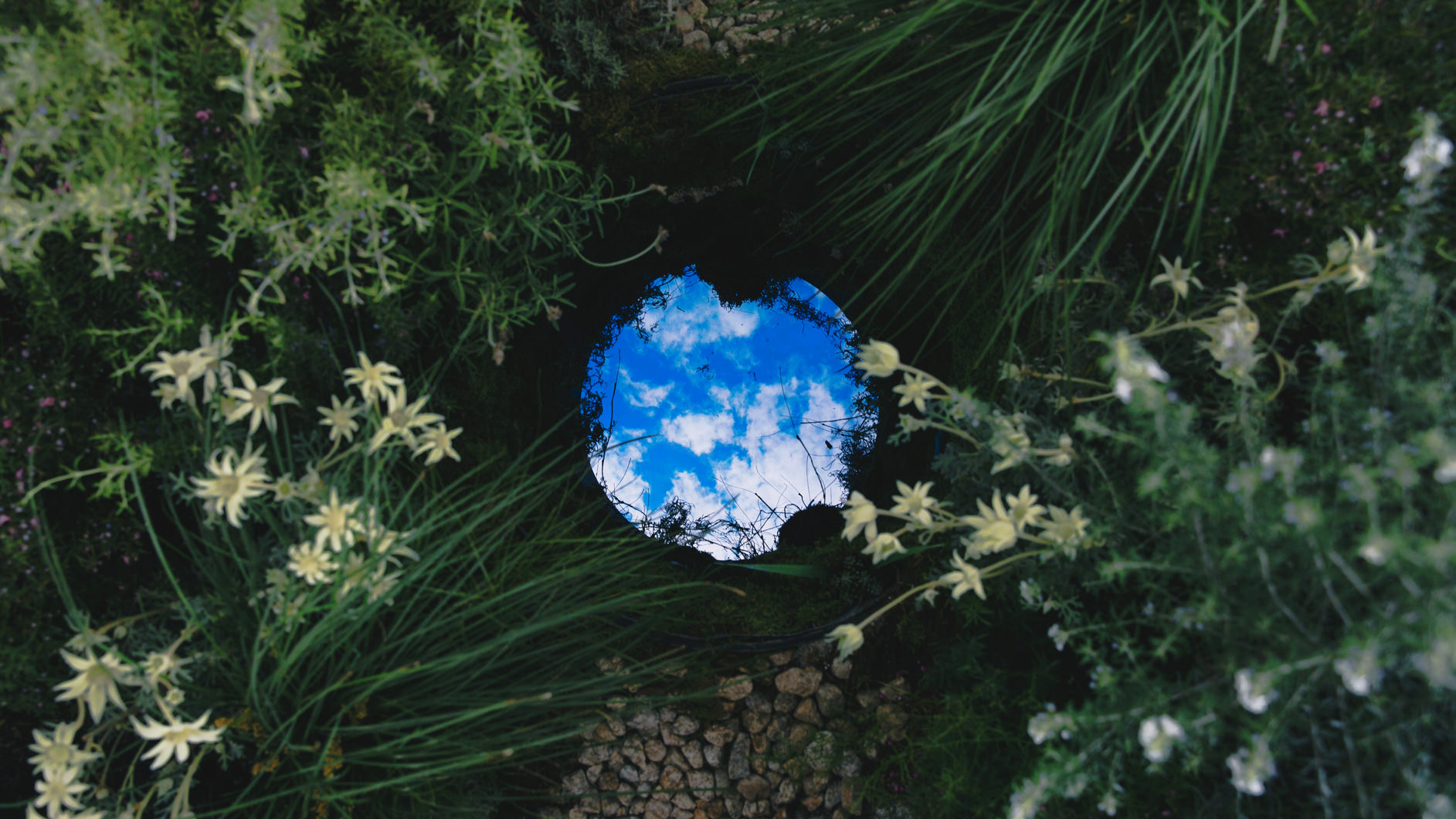
“China syndrome” is a joke that describes a fictional result of a nuclear meltdown in the United States, in which reactor components melt through their containment structures and into the antipodes, China, In this fictitious story, the reactor components did not go though the underlying earth, however; this art work produces a situation in which the viewers can see “the sky from the antipode through the hole on the floor” as if it is a stage setting.
“Earth Hole” is a video installation in which the screen showing “the scenery from the antipodes“ is embedded in the venue where the natural environment is reproduced. The viewers will see the starlit heaven at day time and brightening blue sky in evening twilight as if they peer down the hole. This surrealistic and hopeful juxtaposition will give the audiences a mystic experience and evoke curiosity and imagination.
This work will evoke the viewers a speculation over the coexistence among developing technology, nature, and human beings, and the inevitable aftermath and hopeful future, rather than blind criticism.
Even if this imaginary situation were to occur, the scenery from antipode will not be seen. However, this work portrays an alternative landscape vision which is different from dystopian near future.
[:ja]
“The (anywhere) syndrome / earth hole”
“The (anywhere) syndrome / earth hole” is an installation inspired from a film, “The China Syndrome” in 1979.
“China syndrome” is a joke that describes a fictional result of a nuclear meltdown in the United States, in which reactor components melt through their containment structures and into the antipodes, China, In this fictitious story, the reactor components did not go though the underlying earth, however; this art work produces a situation in which the viewers can see “the sky from the antipode through the hole on the floor” as if it is a stage setting.
“Earth Hole” is a video installation in which the screen showing “the scenery from the antipodes“ is embedded in the venue where the natural environment is reproduced. The viewers will see the starlit heaven at day time and brightening blue sky in evening twilight as if they peer down the hole. This surrealistic and hopeful juxtaposition will give the audiences a mystic experience and evoke curiosity and imagination.
This work will evoke the viewers a speculation over the coexistence among developing technology, nature, and human beings, and the inevitable aftermath and hopeful future, rather than blind criticism.
Even if this imaginary situation were to occur, the scenery from antipode will not be seen. However, this work portrays an alternative landscape vision which is different from dystopian near future.
Excerpt from Media Ambition Tokyo 2016
[:]
Warning: Uninitialized string offset 0 in /home/eugenestudio/the-eugene-studio.com/public_html/wp/wp-includes/class-wp-query.php on line 3863