Solo Exhibition “1/2 Century later.” in Shiseido Gallery
Protected: TEST
TITLE
[:en]
Please enter text here.Please enter text here.Please enter text here.Please enter text here.Please enter text here.Please enter text here.Please enter text here.Please enter text here.Please enter text here.Please enter text here.Please enter text here.Please enter text here.Please enter text here.Please enter text here.Please enter text here.Please enter text here.Please enter text here.Please enter text here.Please enter text here.Please enter text here.Please enter text here.Please enter text here.Please enter text here.Please enter text here.Please enter text here.Please enter text here.Please enter text here.Please enter text here.Please enter text here.Please enter text here.
[:ja]
ここに日本語のテキストを入力してください。ここに日本語のテキストを入力してください。ここに日本語のテキストを入力してください。ここに日本語のテキストを入力してください。ここに日本語のテキストを入力してください。ここに日本語のテキストを入力してください。ここに日本語のテキストを入力してください。ここに日本語のテキストを入力してください。ここに日本語のテキストを入力してください。ここに日本語のテキストを入力してください。ここに日本語のテキストを入力してください。ここに日本語のテキストを入力してください。ここに日本語のテキストを入力してください。ここに日本語のテキストを入力してください。ここに日本語のテキストを入力してください。ここに日本語のテキストを入力してください。ここに日本語のテキストを入力してください。ここに日本語のテキストを入力してください。ここに日本語のテキストを入力してください。ここに日本語のテキストを入力してください。
[:]
Installation
[:en]
From a re-excavation place to a constructive space
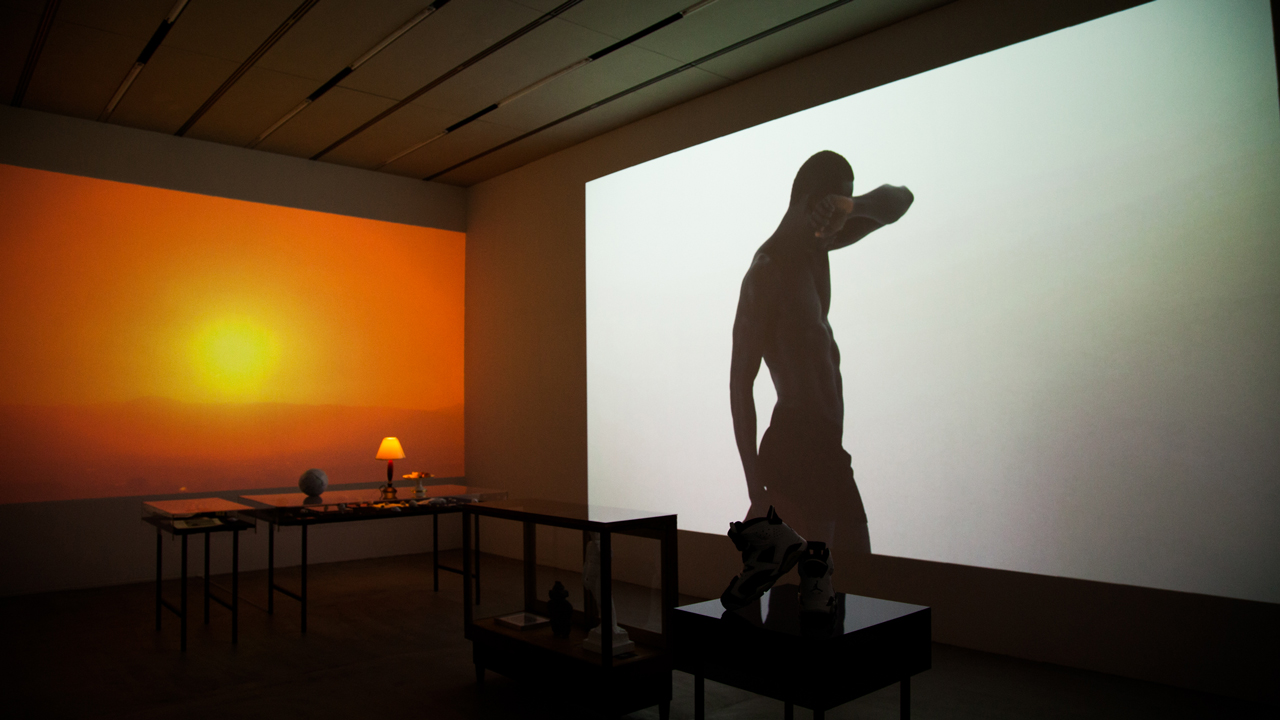
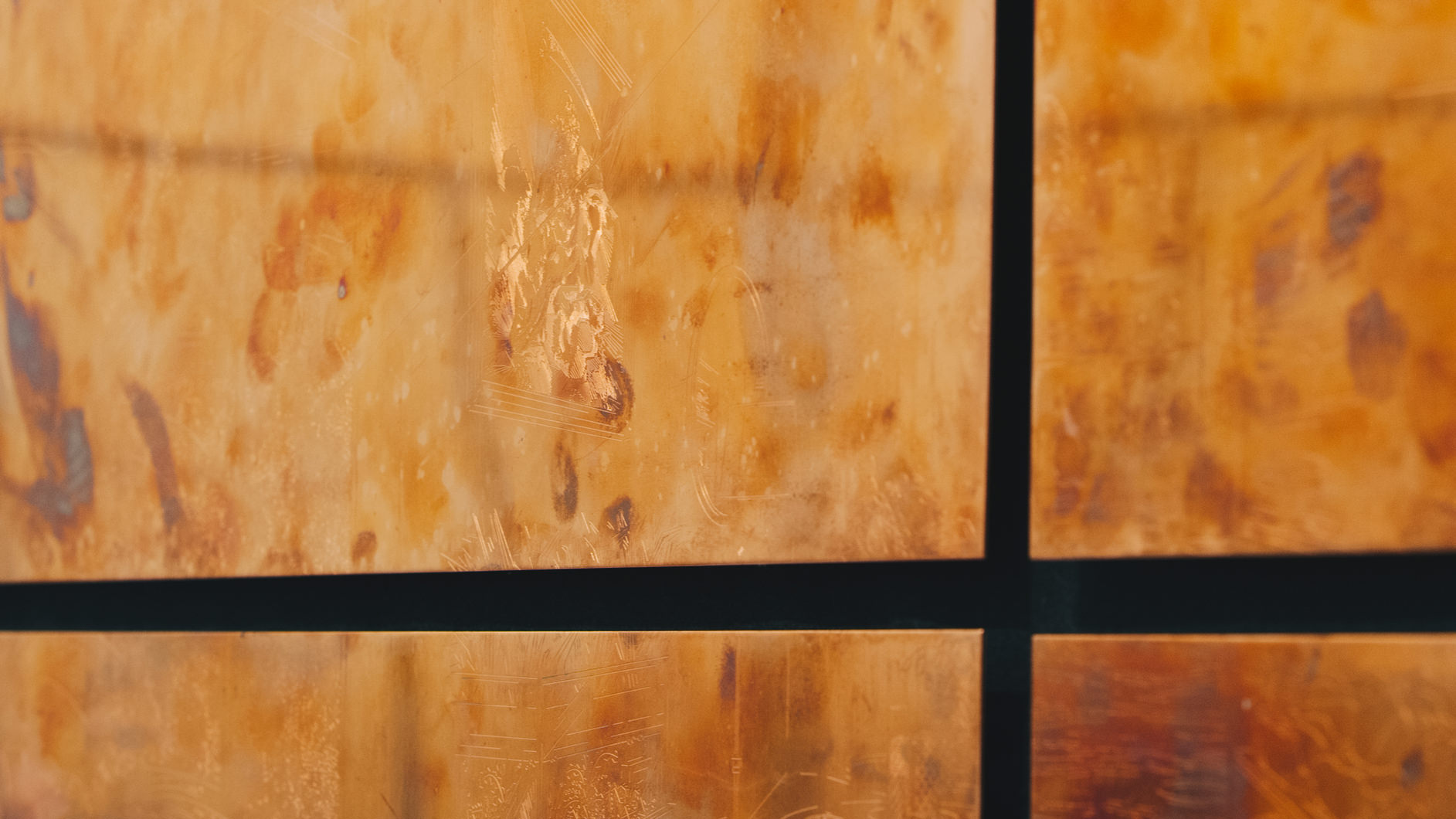
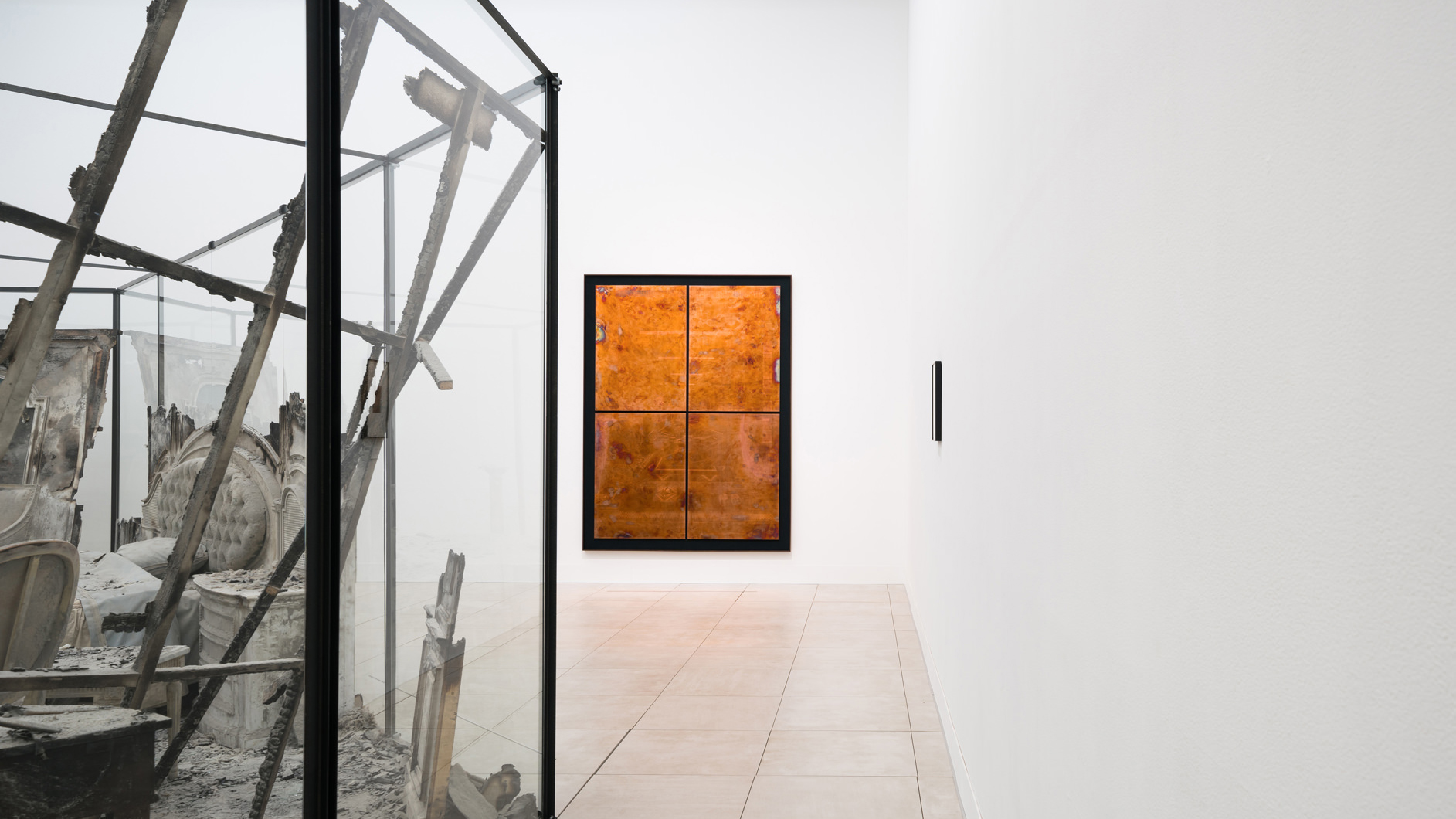
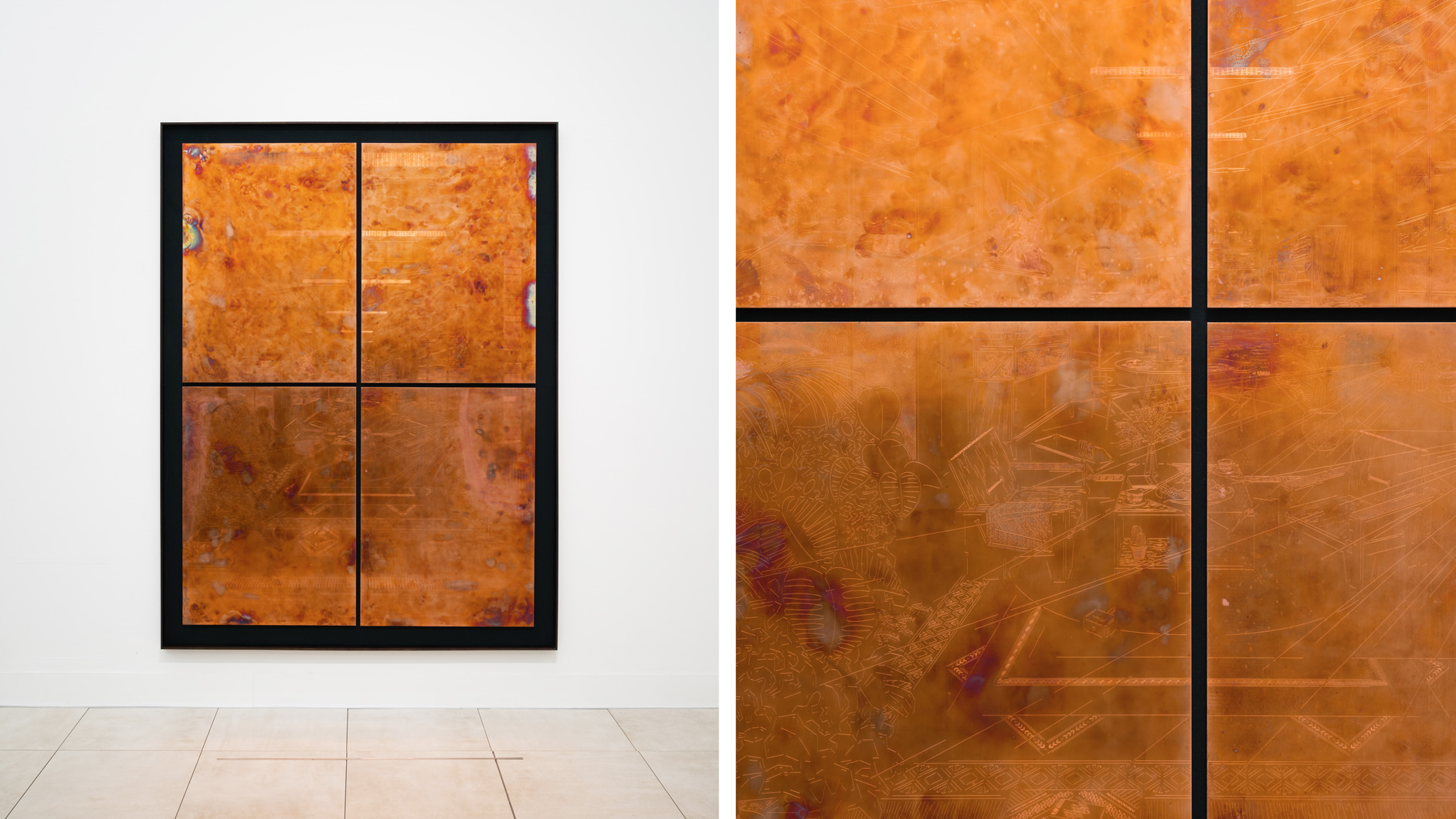
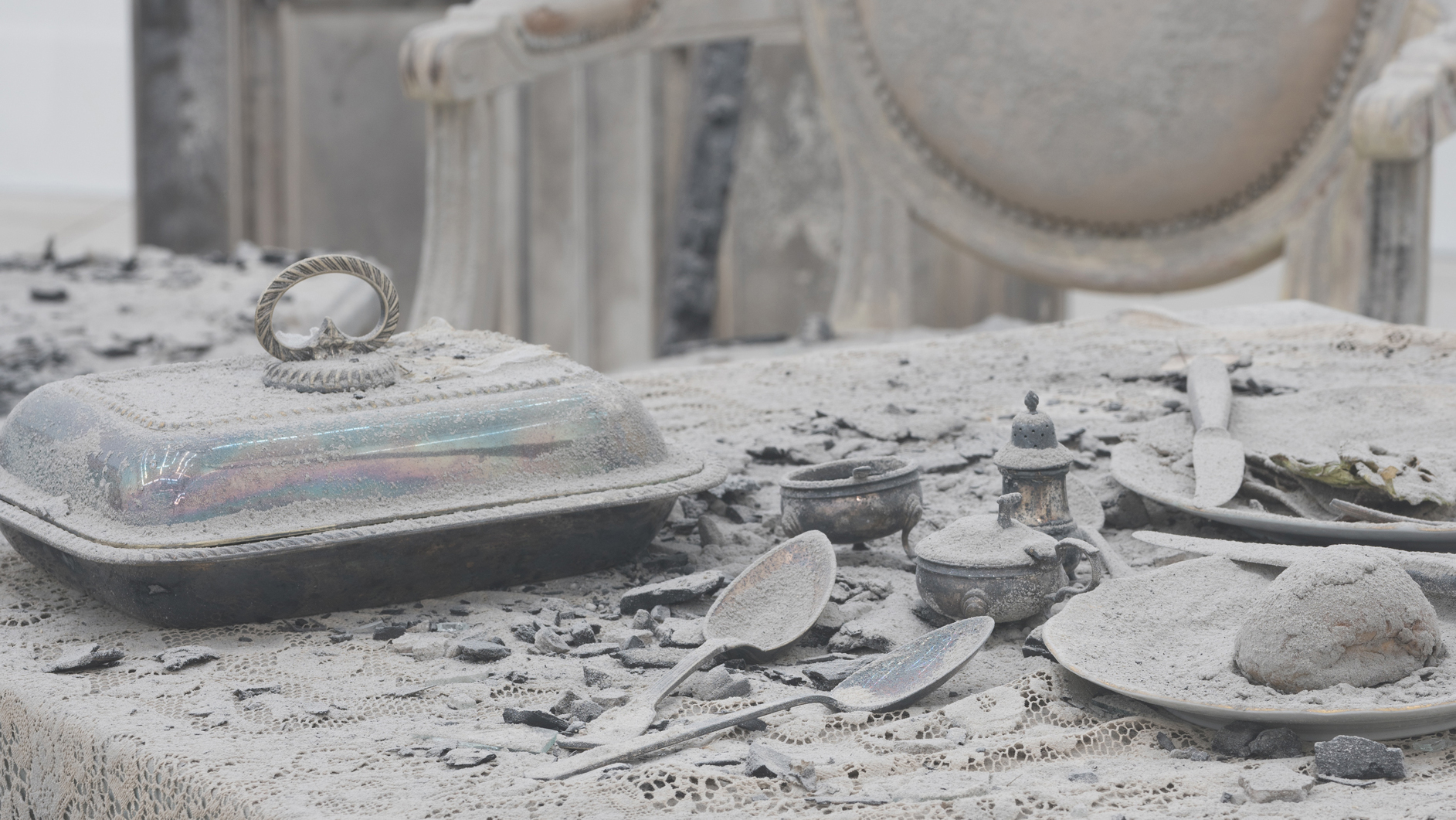
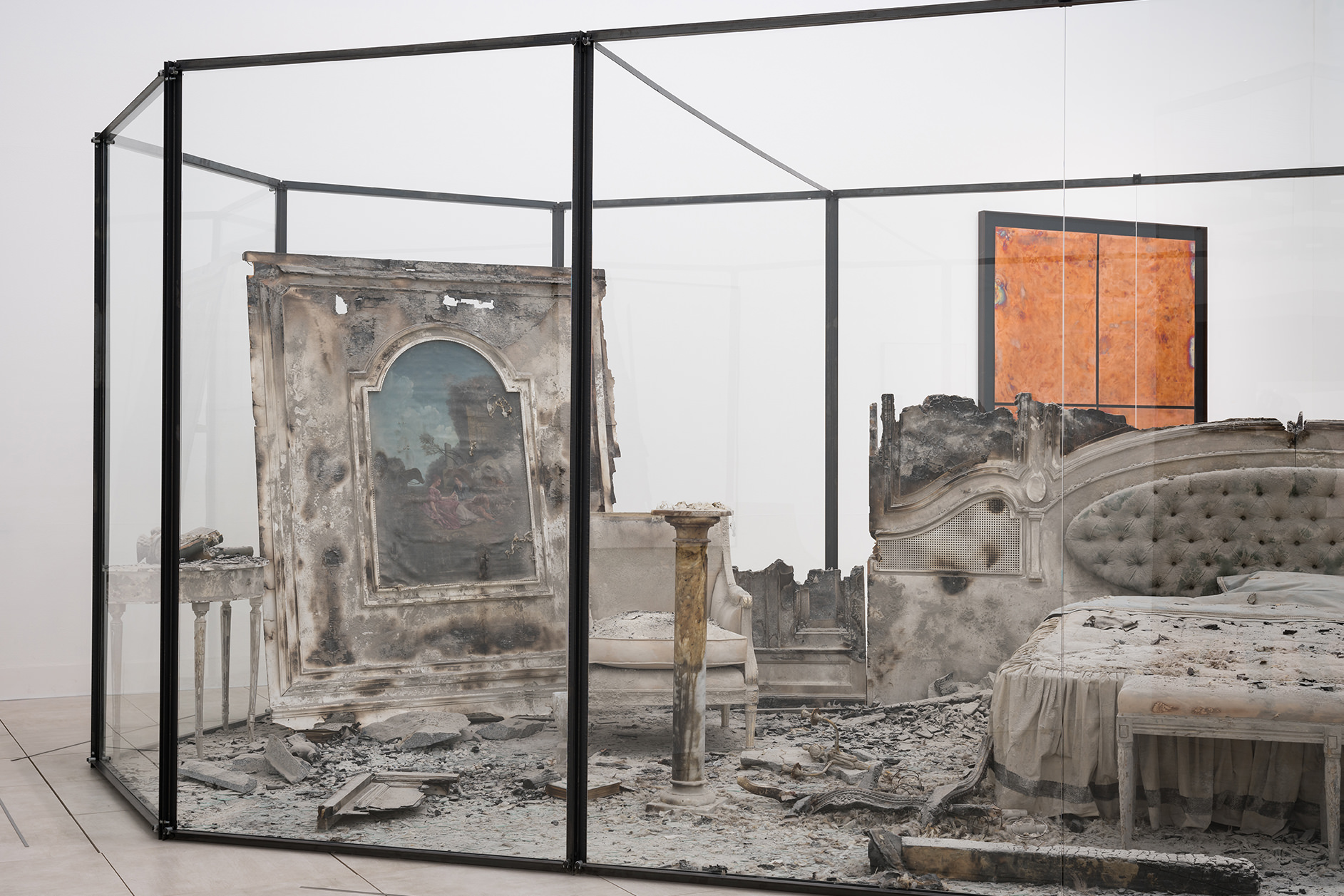
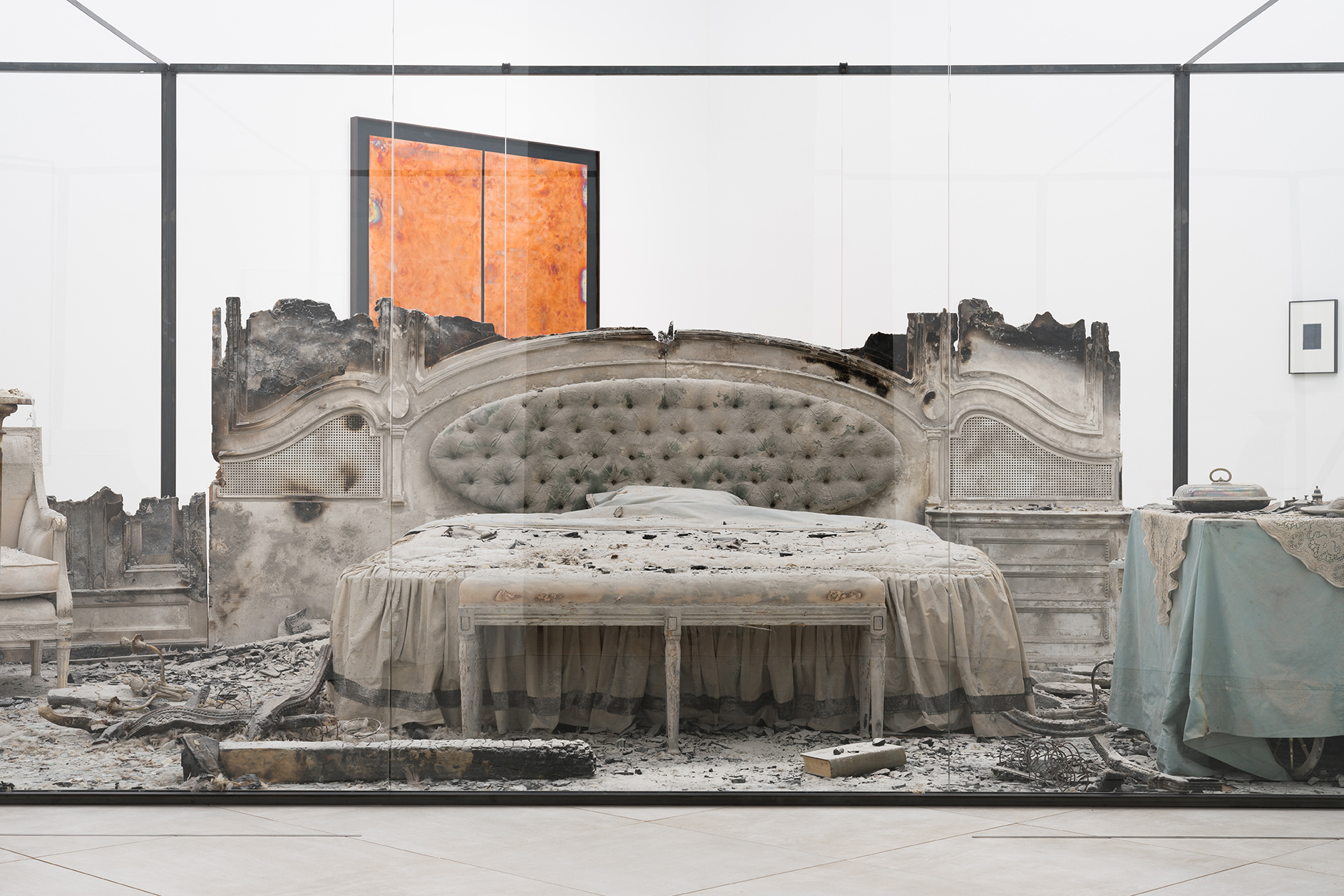
In our exhibition “1/2 Century later”, we mainly placed two works; “Beyond good and evil, make way toward the wasteland.”, a sculpture work which expresses a destructed/weathered room in the last scene of the movie “2001: A Space Odyssey” (Stanley Kubrick, 1968), and “White Painting”, a pure white two-dimensional work, or a minimum architecture, which was impressed with the kisses of 100 people.
The space for the exhibition was like a cube and the longest distance was on the diagonal. Thus we placed these two pieces of work on this vector relatively and made a classical arrangement that centering the destructed sculpture and putting the painting in the back/surrounding. Since the objects in the center themselves are scattering, they cause parallax against the painting in the back.
Audiences first go through the ruined room and then they encounter White Painting in the space behind. The movie “2001: A Space Odyssey” was released in 1968 and this exhibition was held in the end of 2017. The exhibition title “1/2 Century later” means both “half a century from then” and “half a century from now on”.
[:ja]
From a re-excavation place to a constructive space
In our exhibition “1/2 Century later”, we mainly placed two works; “Beyond good and evil, make way toward the wasteland.”, a sculpture work which expresses a destructed/weathered room in the last scene of the movie “2001: A Space Odyssey” (Stanley Kubrick, 1968), and “White Painting”, a pure white two-dimensional work, or a minimum architecture, which was impressed with the kisses of 100 people.
The space for the exhibition was like a cube and the longest distance was on the diagonal. Thus we placed these two pieces of work on this vector relatively and made a classical arrangement that centering the destructed sculpture and putting the painting in the back/surrounding. Since the objects in the center themselves are scattering, they cause parallax against the painting in the back.
Audiences first go through the ruined room and then they encounter White Painting in the space behind. The movie “2001: A Space Odyssey” was released in 1968 and this exhibition was held in the end of 2017. The exhibition title “1/2 Century later” means both “half a century from then” and “half a century from now on”.
再発掘現場 → 建設的空間へ
“1/2 Century later”では、 映画『2001年宇宙の旅』(スタンリー・キューブリック、1968年)のラストシーンの部屋を破壊/風化した彫刻作品 Beyond good and evil,make way toward the wast land.と、100名の接吻がなされた、真っ白な平面作品/極小のアーキテクチャー White Paintingを中心に配置。
展示空間は立方体に近く、最長の距離は対角であったため、このベクトル上に2つの作品を相対し、バラバラの彫刻作品を中央に、背面/周囲にペインティングという古典的な配置を行いました。中央のオブジェクト郡自体はばらつきがあるため、背面のペインティングに対して、パララクスを引き起こします。
鑑賞者は、まずはじめに廃墟の部屋を通って、その後ろの空間にWhite Paintingを捉えます。
『2001年宇宙の旅』の公開は1968年であり、この展示は2017年の末でした。タイトル”1/2 Centuly later”は、「あれから半世紀」と「これから半世紀」の2つを意味します。
[:]
Exhibition
[:en]
Outline (Excerpted from exhibition information)
THE EUGENE Studio 1/2 Century later.
Duration: November 21 (Tue) to December 24 (Sun), 2016
The Shiseido Gallery is pleased to announce the exhibition “THE EUGENE Studio — 1/2 Century Later,” which will run from November 21 (Tue) through December 24 (Sun). THE EUGENE Studio is a completely new artist team focusing on contemporary art that pushes the conventional boundaries outward toward the creation of the next society. Along with design groups like teamLab and others, THE EUGENE Studio’s Japanese artist team has been garnering worldwide attention, its activities arguably establishing a new 21st-century image of what it is to be an artist.*1
For this exhibition, THE EUGENE Studio presents an installation of previously unseen works based around the motif of “1968,”*2 and the exhibition title “1/2 Century Later” refers to “the half century since then” (as well as “the half century from now”). THE EUGENE Studio has been exploring fresh new images of the future that “we of today” can create by connecting with today’s reality and contrasting such images with our previous images of the future. This exhibition space features a large glass-sheet installation piece on the motif “the legacy of ‘future images’ drawn by the stories of the past,” and around this are arranged works that reflect the next future.
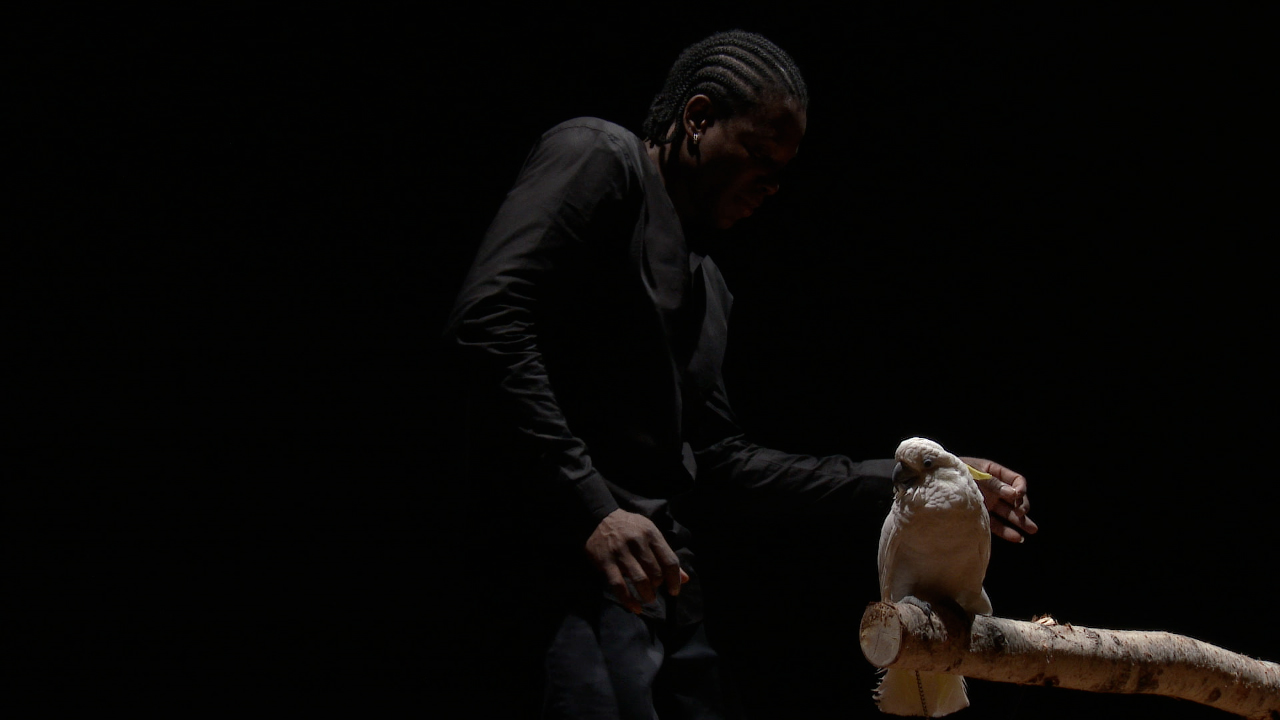
The futures these artists have contributed include: the 2D work “Agricultural Revolution 3.0,” which depicts a tranquil life in which biotechnology and agriculture have merged; portions of a script and sketch board for a story about an artificial intelligence agency; and “White Painting,” a work central to this exhibition and created through a collective method that adopts the structures characteristic of the social media era to convey small hopes for the new globalization. The legacy of “future images” from the past half-century come face-to-face in the gallery with the start of the new yet contiguous future in which we are living now. Visitors may get to experience the feeling of a new society as this refined worldview resonates the spectacle of the exhibition space. This is to perceive the values of the new future as illuminated by art along with the progress of 21st-century science and technology, and it is also the experience of expressing this in words.
In recent years, THE EUGENE Studio has drawn on research and conferences featuring participants from Cambridge University, the 21st Century Museum of Contemporary Art, Kanazawa, OMA NY, and others, and these feature in the biotechnology and agricultural themes in “Agricultural Revolution 3.0.” It has also collaborated with science fiction writer Ken Liu (winner of three of the most prestigious American science fiction awards), and it has been expanding its international presence to include full involvement in film production.
Even as it takes an active look back on the history of art itself, art history and the circumstances of the past, THE EUGENE Studio also continues to renew the map of that “contiguous future,” in which the past and the present alike find connection, by purposefully involving itself in today’s real society through a multifaceted sphere of activity, including participation in cutting-edge R&D in fields like artificial intelligence, urbanization, and biotechnology. It can be said that these are the kinds of activities which, even while embracing the conceptual creativity, contextuality and forms of pure contemporary art, will be truly instrumental in creating the next actualities in society.
Shiseido takes as its mission to inspire a life of beauty and culture, and through the activities of the Shiseido Gallery we connect the new values of society to inspire our lifestyle and culture by sharing images of the future as reflected in the new art of each era. We hope this exhibition will stimulate as many people as possible to begin updating their own maps of the future.
*1 Daisuke Miyatsu’s The Age of Art x Technology, published this year by Kobunsha Shinsho, introduces THE EUGENE Studio along with teamLab, Takram, and Rhizomatiks as four Japanese artists currently garnering international acclaim.
*2 1968, the year of Stanley Kubrick’s film 2001: A Space Odyssey, and Philip K. Dick’s science fiction novel Do Androids Dream of Electric Sheep? (the basis for the movie Blade Runner), was the year which saw the definition of many of the emblematic future images that remain with us today, extrapolated from developments in science and technology at the time.
[:ja]
概要 (本文抜粋)
THE EUGENE Studio 1/2 Century later.
会期:2017年11月21日(火)~12月24日(日)
資生堂ギャラリーでは、2017年11月21日(火)から12月24日(日)まで、THE EUGENE Studioの個展『1/2 Century later.』を開催します。THE EUGENE Studio(ザ・ユージーン・スタジオ)は、現代美術を中心に、従来の境界線を押し広げて次の社会を創造していく全く新しいアーティストです。現在、チームラボなどとともに世界が注目する日本のアーティストチームとして脚光を浴びており※1、その活動は、21世紀のアーティスト像を確立するものといって良いでしょう。
本展でTHE EUGENE Studioは、展覧会を終えるとともにちょうど「半世紀」が経過することになる『1968年』※2をひとつのモチーフに、『1/2 Century later.』―つまり、「あれから半世紀(あるいはこれから半世紀)」を主題とした未発表のインスタレーションを展示します。THE EUGENE Studioはいままで、過去の未来像に対比させ、現在の「私(たち)」が現実とのつながりの中で作り出すことのできる新しい鮮やかな未来像を思索してきました。展示会場では、「過去の物語で描かれた未来像の遺産」をモチーフとしたガラス張りの大型インスタレーションと、それを取り囲むように、次の未来を反映する作品群が立ち現れます。
彼らが描く未来は、バイオテクノロジーと農業が融合した穏やかな生活を描いた平面作品(Agricultural Revolution 3.0)、人工知能エージェンシーに纏わる物語の脚本とスケッチボードの一部、そして本展の中心ともいえるソーシャル時代の構造を採り入れた集合的な手法で、新たなグローバリゼーションへのささやかな期待を告げる作品(White Painting)。半世紀前の未来像のレガシーと、私たちの生きる、新しい、しかし地続きの未来の始まりが会場内で対峙し合います。来場者は、洗練された世界観とスペクタクルな展示空間の中で新しい社会と響き合う感情を体感することでしょう。それは、21世紀の科学とテクノロジーの進展とともにアートによって照らし出された新たな未来の価値を知覚することであり、言葉にしていく体験でもあります。
近年THE EUGENE Studioは、本展でそのドローイングが展示されるバイオテクノロジーと農業を扱った作品「Agricultural Revolution 3.0」において、リサーチやカンファレンスにケンブリッジ大学や金沢21 世紀美術館、OMA NY などからゲストが参加し話題を呼び、またアメリカ三大SF賞を受賞したSF作家ケン・リュウとの共同制作のほか、映画制作に本格的に着手するなど活躍の場を国際的に広げています。
アートそれ自体の歴史、美術史や過去の世界の事象と積極的に向き合うと同時に、人工知能や都市、バイオテクノロジー領域といった先端分野の研究開発に招聘されるなど多角的な活動を通じて今日の現実社会と積極的に関わり合うことで、過去とも現在ともつながりのある「地続きの未来」の地図を更新し続けています。こうした活動は、純粋な現代アートのコンセプチュアルな創造性と文脈性、フォームを包含しつつ、アクチュアルに次の社会を創造していくものといえます。
資生堂は美しい生活文化の創造を使命とし、資生堂ギャラリーの活動を通じて時代の新しいアートが反映する未来像を世の中と共有することで社会の新しい価値観を私たちの生活文化の創造へと結びつけてきました。本展が多くの人々にとっての未来地図を更新する端緒となることができれば幸いです。
※1 今年出版された『アート×テクノロジーの時代』(宮津大輔、光文社新書) ではチームラボやタクラム、ライゾマティクスとともに世界が注目する日本の4つのアーティストチームとして紹介されています。
※2 1968年は、スタンリー・キューブリックの映画『2001年 宇宙の旅』や、映画『ブレードランナー』の原作となったSF小説『アンドロイドは電気羊の夢を見るか?』(フィリップ・K・ディック)が発表された年であり、今日にも残る科学とテクノロジーの発展によって描かれた象徴的な未来像が決定づけられた年ともいえます。
[ Exhibition ]
1/2 Century later.
November 21 – December 24, 2017 Shiseido Gallery
–
Organized by SHISEIDO Co.,Ltd.
Planned by Shiseido Corporate Culture Department
Exhibition Cooperation: THE EUGENE Studio Co., Ltd.
–
Sponsored by GOLDWIN INC., NEUTRALWORKS.
Cooperation: Object of Null, Inc.,Scovil Galen Ghosh Literary Agency., Ryosuke Uehara (Graphic design)
–
Curated by Kenichiro Ito
[ Related Event ]
Artist Talk
Kei Wakabayashi (Editor-in-Chief, WIRED Japanese edition)
Teiya Iwabuchi (Bijutsu Techo Editor-in-Chief)
Eugene Kangawa (THE EUGENE Studio)
–
Date: November 9, 2017 14:00-16:00
Venue: Hanatsubaki Hall
Artist Talk
Kei Wakabayashi (Editor-in-Chief, WIRED Japanese edition)
Teiya Iwabuchi (Bijutsu Techo Editor-in-Chief)
Eugene Kangawa (THE EUGENE Studio)
–
Date: November 9, 2017 14:00-16:00
Venue: Hanatsubaki Hall